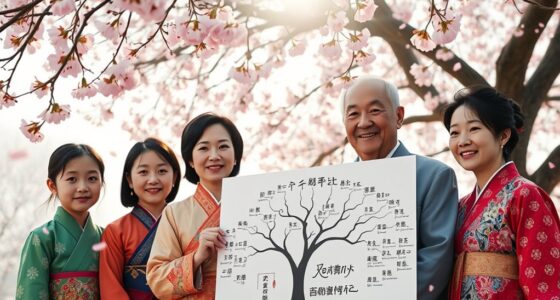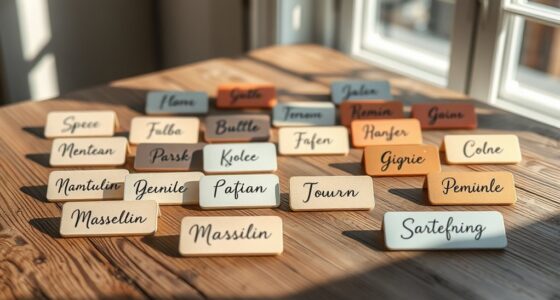
To embrace Polish names and diminutives, focus on their cultural significance and proper pronunciation. Use affectionate forms like Janek or Marysia with family and friends to show warmth and respect. Practice pronunciation by listening and asking for guidance, especially on sounds like “ł” and “ś.” Recognizing how diminutives are formed helps you connect more deeply with Polish traditions. If you continue exploring, you’ll discover even more ways to honor and celebrate Polish heritage.

Prime made for students and young adults
- Fast, free delivery for dorm and study essentials
- Prime Video and Amazon Music included
- Member-only deals
Key Takeaways
- Learn common Polish names and their affectionate diminutives to foster cultural connection and family bonding.
- Understand pronunciation tips, especially sounds like “ł” and “ś,” to respect Polish naming traditions.
- Recognize how diminutives are formed and used in casual settings to show warmth and familiarity.
- Embrace Polish naming customs to promote cultural sensitivity and respect for heritage.
- Practice listening to native speakers to improve pronunciation and deepen understanding of Polish names.
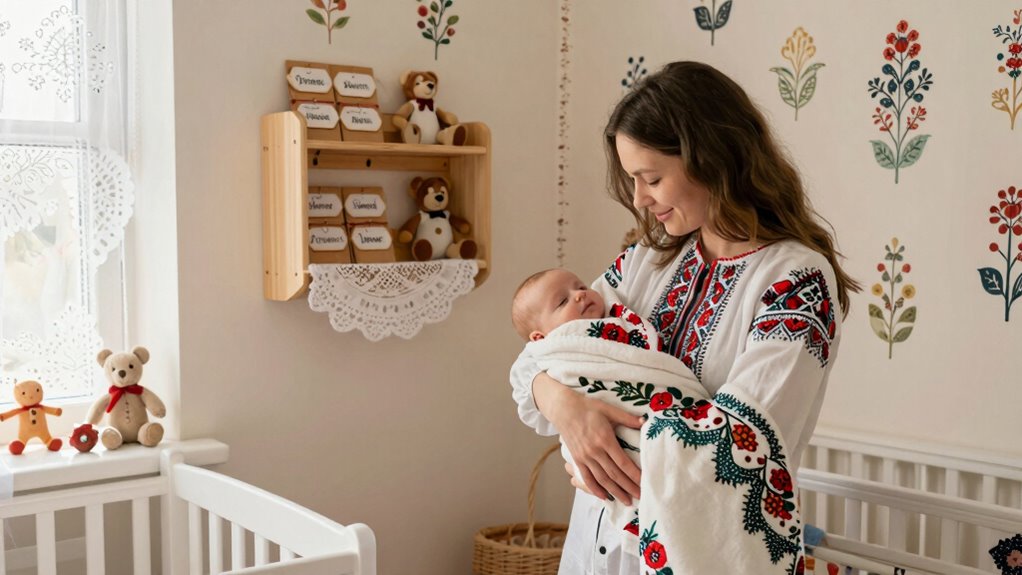
Are you curious about how Polish names and their diminutives work? If you’re parenting a child with Polish roots or simply interested in Polish culture, understanding the cultural significance behind names is essential. Polish names often carry historical and familial importance, reflecting heritage and identity. Using these names correctly shows respect for the tradition and helps your child develop a strong sense of identity. Diminutives, such as Janek for Jan or Marysia for Maria, are often used by family and friends, especially in casual or affectionate settings. Recognizing these variations helps you appreciate the nuances of Polish culture and encourages your child to embrace their heritage confidently.
Getting the pronunciation right is key to showing respect and building connections. Polish pronunciation can seem tricky at first, especially with consonant clusters and accented vowels. To get started, focus on the basics: emphasize the second-to-last syllable in most words, and be mindful of sounds like “ł” (pronounced like the English “w”) or “ś” (a softer “sh” sound). Name pronunciation tips include listening to native speakers, practicing slowly, and not being afraid to ask for guidance. Additionally, understanding diminutives and their formation can help you connect more warmly with your child’s cultural roots. As you become more familiar with the sounds, you’ll find it easier to pronounce your child’s name correctly, which demonstrates your care and effort in honoring their cultural background. Embracing cultural naming customs can also foster a deeper appreciation for Polish traditions and help your child feel more connected to their heritage. Being aware of these customs can also promote cultural sensitivity and enrich your family’s cultural experience.
Frequently Asked Questions
How Do Polish Naming Customs Differ From Other Cultures?
Polish naming customs and traditions emphasize the cultural significance of Polish surnames, often reflecting family history, occupation, or origin. Unlike some cultures, Poland typically uses a given name followed by a surname, with gender-specific endings. You’ll notice that diminutives are common for affection, but formal naming respects traditional structures. These customs highlight a strong sense of heritage and community, which might differ from more individualistic naming practices elsewhere.
Are There Specific Rules for Creating Polish Diminutives?
You can create Polish diminutives by following specific rules for diminutive formation, like adding suffixes such as -ek, -ka, or -us, but exceptions often arise. While most names follow these rules, some don’t, reflecting linguistic nuances or tradition. These exceptions highlight the playful, affectionate nature of Polish diminutives, making them more than just linguistic rules—they’re expressions of warmth and familiarity that often defy standard patterns.
How Do Polish Names Influence Identity and Cultural Heritage?
Polish names deeply influence your identity and cultural heritage by connecting you to family traditions and history. They shape how you see yourself and how others perceive you within the community. The impact of names on personal identity is significant, as they often carry cultural values and stories. By embracing Polish names, you honor your roots, preserve traditions, and foster a sense of belonging, strengthening your connection to your heritage.
What Are Common Gender-Neutral Polish Names?
You’ll find that common gender-neutral Polish names like Alex, Aleks, and Jacek offer flexibility, simplifying adapting Polish names for diverse identities. These names stand out because they blur traditional gender lines, making them versatile choices. By choosing gender-neutral names in Poland, you’re embracing inclusivity and respecting individual identity, helping your child feel comfortable and authentic. Adapting Polish names in this way encourages acceptance and reflects a modern approach to cultural heritage.
Can Non-Polish Speakers Easily Pronounce Polish Names?
Non-polish speakers might face pronunciation challenges with Polish names, especially due to unique sounds and letter combinations. However, with some practice, you can master these names and reduce cultural adaptation hurdles. Listening to native speakers, using online pronunciation guides, and asking for help can make the process easier. Over time, you’ll find it more natural to pronounce Polish names accurately, fostering respect and connection with Polish culture.
Conclusion
By understanding Polish names and their diminutives, you’ll open a world of cultural richness and personal connection. Think of these names as a garden, blooming with history and warmth, waiting for you to nurture their beauty. Embrace the charm, and you’ll find that each nickname is a key to a deeper bond. With this knowledge, you’re not just learning names—you’re weaving a tapestry of love, respect, and heritage that lasts a lifetime.
Fall Picks
fall essentials
As an affiliate, we earn on qualifying purchases.