
You can keep faith naming traditions alive in diaspora by sharing stories and teachings from elders, involving family members in ceremonies, and celebrating special events like baptisms or gatherings. Incorporate your culture’s language and adapt customs to fit modern life, blending traditions when needed. Community involvement also helps strengthen these practices, ensuring your heritage stays vibrant across generations. If you’re interested, you’ll find more ways to preserve these meaningful customs.
Key Takeaways
- Elders pass down naming stories and spiritual meanings through intergenerational conversations and family rituals.
- Families incorporate local languages and adapt customs to fit contemporary multicultural contexts.
- Community events and ceremonies reinforce the significance of faith-based naming practices.
- Families involve younger members in rituals to foster cultural pride and understanding.
- Diaspora communities actively preserve and share naming traditions through cultural organizations and storytelling.
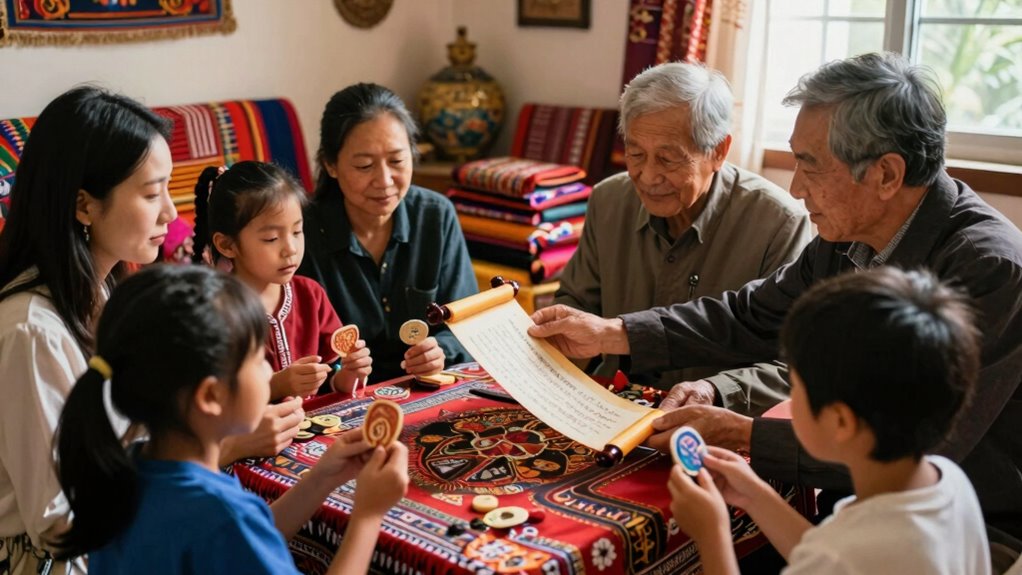
For diaspora families, faith naming traditions often serve as essential links to their cultural and spiritual heritage, especially when living far from their ancestral homelands. These traditions help you maintain a sense of cultural identity amid the challenges of adapting to new environments. When you choose a name rooted in faith, you’re not just giving a child a label; you’re passing down stories, values, and beliefs that define your community. This act becomes a way to preserve a shared history, reinforcing your connection to your roots and guaranteeing that your cultural identity remains vibrant across generations.
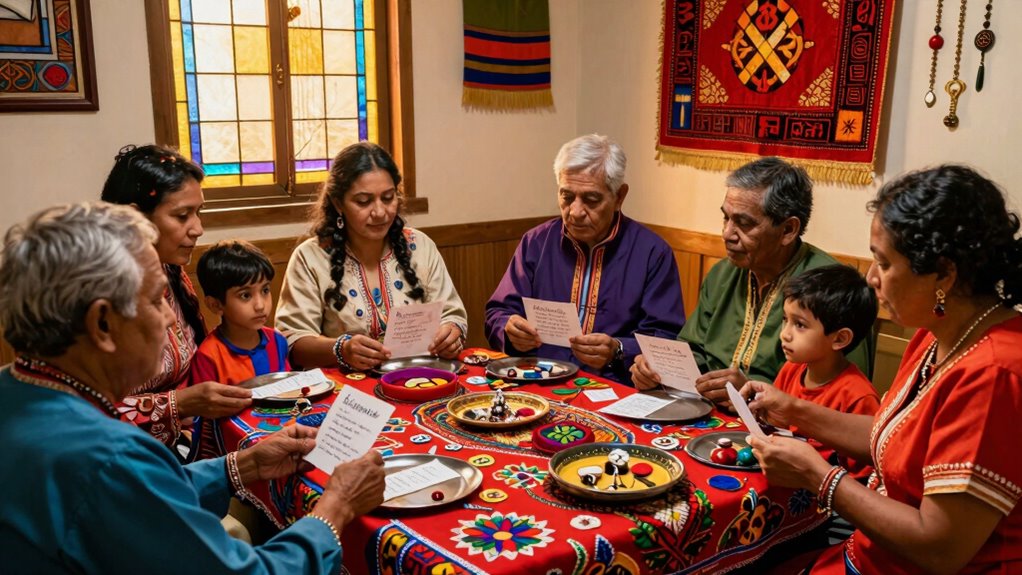
You might find that family elders play a critical role in keeping these naming customs alive. They often pass down specific naming practices, stories behind chosen names, or spiritual significance associated with certain words. When you involve the older generations in the naming process, you’re facilitating the transmission of cultural knowledge, making sure it doesn’t fade with time. This intergenerational exchange strengthens bonds and guarantees that the tradition continues to resonate with each new generation, anchoring your family firmly within your cultural heritage.
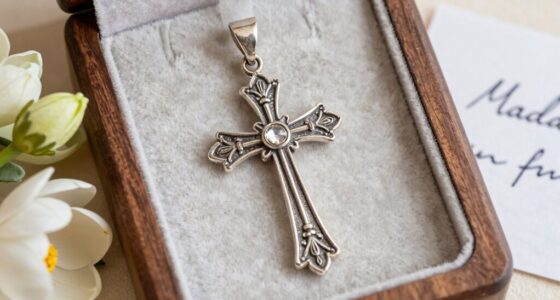
Living outside your homeland can sometimes make it tempting to abandon these customs, but many diaspora families see faith naming traditions as crucial anchors. They organize ceremonies, prayer sessions, or gatherings centered around the naming, turning these moments into meaningful rituals that reaffirm their cultural identity. Whether it’s during a baptism, naming ceremony, or a special family gathering, these events provide opportunities to teach younger family members about their history and spiritual beliefs. By actively participating in these traditions, you help guarantee that the knowledge and significance of your faith names are passed down, fostering a sense of pride and belonging.
Moreover, you may find that modern influences and multicultural environments challenge the purity of these traditions. Yet, you can adapt them to fit contemporary life while still honoring their original intent. For example, incorporating local languages or blending traditions from multiple cultures can make the practice more relevant for younger generations. This flexibility not only keeps the tradition alive but also helps reinforce a resilient cultural identity that can evolve without losing its core meaning. Embracing cultural adaptation is essential for ensuring these age-old customs remain meaningful and sustainable in diverse settings. Incorporating traditional practices can serve as a bridge that connects generations, ensuring that the essence of faith naming is preserved even in changing times. In doing so, you contribute to the ongoing process of cultural preservation, ensuring that your faith naming customs remain a crucial part of your family’s story, no matter where life takes you. Additionally, maintaining these traditions often involves community involvement, which further strengthens bonds and collective memory within diaspora populations.

Christening: Pink Guestbook Message Book | Keepsake | 100 Pages With Gift Log & Pattern Border | Use At Christenings, Baptisms, Naming Ceremony, Baby Dedications | 8.25” X 6” Small | Paperback Cover
As an affiliate, we earn on qualifying purchases.
As an affiliate, we earn on qualifying purchases.
Frequently Asked Questions
How Do Diaspora Families Choose Names From Different Cultural Backgrounds?
You choose names from different cultural backgrounds through a process of cultural integration and personal significance. You consider name symbolism, ensuring it reflects your family’s diverse heritage and values. You might blend names or select meaningful ones from each culture, honoring traditions while embracing new influences. This thoughtful approach helps preserve cultural identity and creates a bridge between your heritage and modern identity, enriching your family’s story across generations.
Are Faith Naming Traditions Adapted for Multicultural or Interfaith Families?
Yes, faith naming traditions are often adapted for multicultural or interfaith families through cultural fusion naming. You might participate in interfaith ceremonies that blend elements from different religions, honoring each tradition. Families often choose names that reflect multiple cultural backgrounds or spiritual meanings, creating a meaningful and inclusive identity. This approach helps preserve faith values while embracing diversity, ensuring that naming traditions stay relevant and respectful in a multicultural context.
What Challenges Do Diaspora Families Face in Maintaining Naming Customs?
You might think maintaining naming customs is straightforward, but cultural assimilation and generational shifts pose real challenges. As younger family members adapt to new cultures, they may drift away from traditional names, feeling disconnected from their heritage. You could struggle to preserve these customs amidst a melting pot of influences, making it harder to pass down meaningful traditions. Yet, your effort keeps your cultural identity alive and vibrant across generations.
How Do Younger Generations Perceive and Practice Traditional Naming Customs?
You see that younger generations often perceive traditional naming customs as essential links to their cultural identity, but they might also view them as complex or outdated. Through intergenerational transmission, you actively practice these customs, passing down stories and significance behind names. This helps reinforce your cultural roots, even as some adapt traditions to fit modern life. Your engagement keeps the naming customs alive, ensuring they continue to shape your community’s identity.
Are There Modern Influences Altering Traditional Faith Naming Practices?
Modern secularization and social media influence are indeed altering traditional faith naming practices. You might notice younger family members choosing more secular or trendy names, blending cultural heritage with contemporary trends. Social media exposes them to diverse naming customs and ideas, encouraging experimentation. While some preserve traditional names out of respect, many embrace modern influences, creating unique, personalized names that reflect both their faith roots and modern identities.

icceemee Family History Book: A Record of Our Family Tree, Includes Genealogy Charts, Room for 100 Ancestors/Family Photo and so Much More 8.3''x 5.6''
- Preserve Family Legacies: Record life stories and achievements
- Map Your Family Tree: Includes relationship diagrams and charts
- Guided Memory Keeping: Prompts for milestones and heirlooms
As an affiliate, we earn on qualifying purchases.
As an affiliate, we earn on qualifying purchases.
Conclusion
You see, even across continents, nearly 80% of diaspora families continue to honor their faith naming traditions, showing how deeply these customs are rooted in identity. By passing down names that reflect faith and heritage, you help keep your culture alive, bridging generations and strengthening community ties. Your commitment to these traditions guarantees that your faith and history endure, enriching both your family and the broader diaspora community. Keep the legacy alive—your efforts truly matter.

MyMateZoe My First Noahs Ark 7 pcs Baptism Gift Set, Dedication, Christening and Baptism Gifts for Boys and Newborn Baby, Includes Washcloth and Hooded Towel, Baby Bath Book, 3 Bath Toys and Gift Bag
- Soft and Durable Material: Made of 90% bamboo rayon and 10% cotton
- Educational and Fun: Includes Noah's Ark bath book and floating toys
- Ideal Baby Gift Set: Perfect for baby showers, baptisms, and christenings
As an affiliate, we earn on qualifying purchases.
As an affiliate, we earn on qualifying purchases.
intergenerational family ritual supplies
As an affiliate, we earn on qualifying purchases.
As an affiliate, we earn on qualifying purchases.