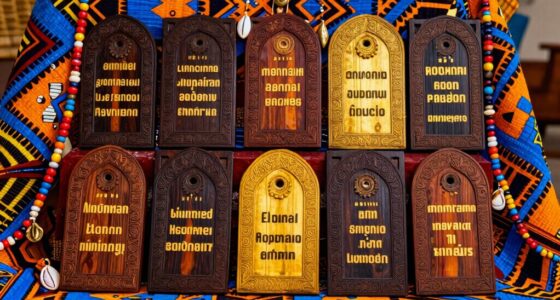
Hindu names of gods and goddesses embody deep meanings and divine attributes. Each name tells a rich story that reflects spiritual values and cultural significance. For instance, “Krishna” signifies love and righteousness, while “Durga” represents strength and protection. These names are more than mere labels; they’re essential to rituals and daily life, offering a connection to the divine. Discovering the mythological roots of these names can enhance your appreciation of their significance.

Prime made for students and young adults
- Fast, free delivery for dorm and study essentials
- Prime Video and Amazon Music included
- Member-only deals
Key Takeaways
- Hindu deity names embody divine attributes and qualities, reflecting their roles in mythology and spirituality.
- Names like “Krishna” and “Durga” symbolize love, righteousness, strength, and protection, illustrating core moral themes.
- Rituals and prayers often invoke deity names, emphasizing their cultural significance and influence on daily spiritual practices.
- Each name tells a unique story, connecting contemporary society with ancient narratives and cultural heritage.
- The exploration of names reveals the intersection of mythology, culture, and spiritual philosophy in Hindu traditions.

Have you ever wondered about the rich tapestry of Hindu mythology and the names of its deities? Each name carries deep mythological origins and cultural significance, reflecting the values and beliefs of the society that reveres them. These names aren’t just labels; they encapsulate stories and philosophies that have been passed down through generations. When you explore the names of gods and goddesses, you’re probing into a world filled with symbolism, history, and divine narratives.
Take, for example, the name “Krishna.” This name isn’t just a title; it signifies the “all-attractive” divine being who plays a pivotal role in Hindu texts, particularly the Mahabharata and the Bhagavad Gita. Krishna‘s playful nature and profound wisdom make him an embodiment of love and righteousness, resonating deeply with devotees. His name invokes imagery of his childhood exploits, teachings, and divine interventions, illustrating the rich mythological origins that define him.
Krishna embodies love and righteousness, his name evoking tales of divine playfulness and profound wisdom.
Similarly, “Durga” represents a fierce warrior goddess, embodying strength and protection. Her name translates to “the invincible,” and her stories often depict her battling demons to restore cosmic balance. This narrative reflects cultural significance, illustrating the eternal struggle between good and evil that resonates across various contexts and eras. When you utter her name, you’re not just calling upon a deity; you’re invoking an archetype that empowers individuals against adversity.
Moreover, the name “Ganesha,” the elephant-headed god, is associated with wisdom, intellect, and the removal of obstacles. His name is often the first invoked in prayers, symbolizing the importance of beginnings. This practice underscores the cultural significance of names in daily life, revealing how deeply intertwined spirituality is with everyday activities.
As you explore deeper into these names, you’ll uncover how they influence rituals, festivals, and personal identities. Names like “Saraswati,” the goddess of knowledge and arts, and “Shiva,” the destroyer and transformer in the Hindu trinity, serve as reminders of the values and aspirations that underpin society. Their stories, intertwined with their names, reflect aspirations for knowledge, creativity, and transformation.
In essence, exploring the names of Hindu gods and goddesses opens a window into a vibrant world where mythology and culture intersect. Each name you encounter tells a story, inviting you to reflect on its significance, reminding you of the divine essence that permeates the human experience.
As an affiliate, we earn on qualifying purchases.
Frequently Asked Questions
How Do I Choose a Hindu Name for My Baby?
To choose a Hindu name for your baby, start by exploring the cultural significance of naming customs in your family. Consider the influences of regional traditions, as they can guide you toward meaningful choices. Look for names that resonate with your values or reflect your heritage. You might also want to think about the sound and meaning of the name, ensuring it carries positive connotations for your child’s future.
Are There Specific Rituals for Naming a Child in Hinduism?
Yes, there are specific rituals for naming a child in Hinduism, known as naming ceremonies. These rituals mark auspicious beginnings and often involve family and community participation. You might perform rites like the “Namkaran” ceremony, where you choose a name that reflects cultural symbolism and blessings. It’s a moment filled with joy, as you invoke divine presence and seek a prosperous future for your child. Enjoy this special occasion!
Can Names of Gods Be Used for Girls as Well?
Yes, names of gods can definitely be used for girls! While there are gender-specific naming conventions in many cultures, the cultural significance of divine names often transcends gender. Using a goddess’s name can empower and inspire. Just like names of male deities, female names carry rich meanings and stories that can shape a child’s identity. So, don’t hesitate to choose a divine name that resonates with you and your family.
What Is the Significance of Name Pronunciation in Hindu Culture?
In Hindu culture, name pronunciation is essential due to its deep connection with sound symbolism. The way you pronounce a name can evoke specific energies and meanings, influencing a person’s identity and fate. When you say a name correctly, you honor its significance and heritage, ensuring its power resonates appropriately. Mispronouncing it might not only distort its essence but could also lead to misunderstandings in spiritual or cultural contexts. So, pay attention to pronunciation!
Are There Any Modern Interpretations of Traditional Hindu Names?
In a world where names dance like vibrant colors on a canvas, modern interpretations of traditional Hindu names emerge, blending heritage with contemporary culture. You’ll find modern name adaptations that maintain their roots while reflecting current trends, embodying cultural relevance. These names often fuse traditional meanings with modern aesthetics, allowing individuals to connect with their ancestry while embracing today’s identity. This evolution showcases the dynamic nature of culture, keeping traditions alive in fresh ways.
Hindu gods and goddesses statues
As an affiliate, we earn on qualifying purchases.
As an affiliate, we earn on qualifying purchases.
Conclusion
In exploring Hindu names of gods and goddesses, you’ll find that approximately 33 million deities are recognized, each with their own unique significance. This rich tapestry of names not only reflects the divine but also carries deep cultural meanings and stories. By embracing these names, you connect with centuries of tradition and spirituality. Whether you choose a name for a child or simply appreciate its beauty, you’re tapping into a vibrant heritage that celebrates the divine in everyday life.
As an affiliate, we earn on qualifying purchases.
As an affiliate, we earn on qualifying purchases.
Fall Picks
fall essentials
As an affiliate, we earn on qualifying purchases.