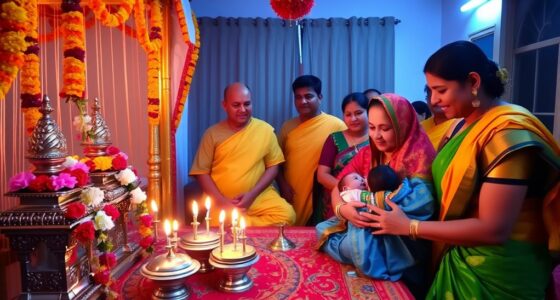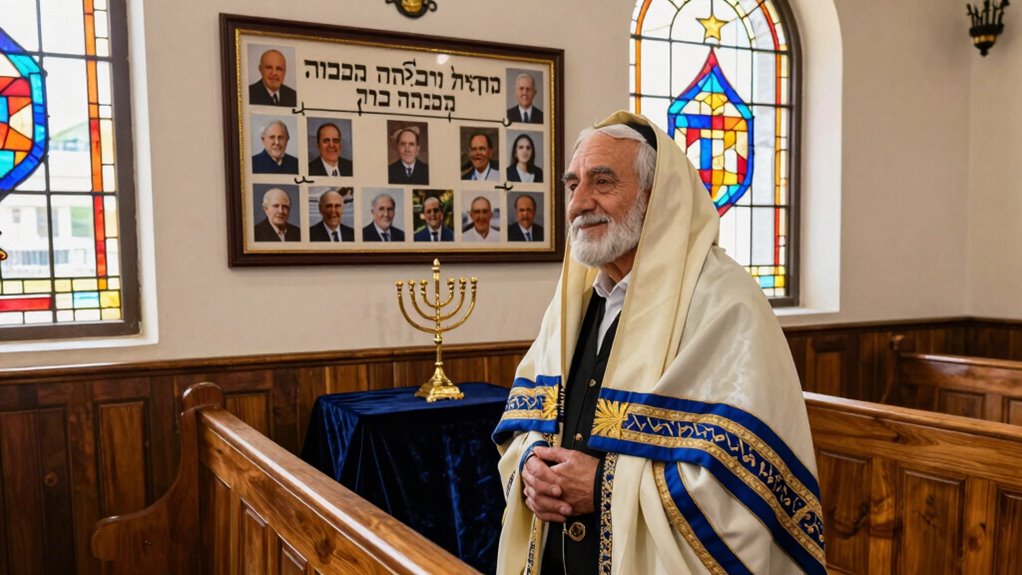

In Jewish communities, naming children after grandparents is a meaningful way to honor family heritage, reinforce cultural identity, and maintain connections across generations. You might choose to give a child a Hebrew name similar to a beloved grandparent or continue a family tradition by using the same name. This practice expresses respect for elders, preserves family stories, and symbolizes hope and resilience. If you keep exploring, you’ll discover even deeper layers of this cherished tradition.

Prime made for students and young adults
- Fast, free delivery for dorm and study essentials
- Prime Video and Amazon Music included
- Member-only deals
Key Takeaways
- In Jewish communities, children are often named after grandparents to honor their memory and preserve family lineage.
- The naming typically occurs during a specific religious ceremony, such as a Brit Milah or Simchat Bat.
- Names reflect respect for elders and may incorporate or modify the grandparent’s name to maintain tradition.
- The practice strengthens familial bonds and connects individuals to their cultural and religious heritage.
- Naming after grandparents serves as a tribute, ensuring their legacy and values are passed through generations.
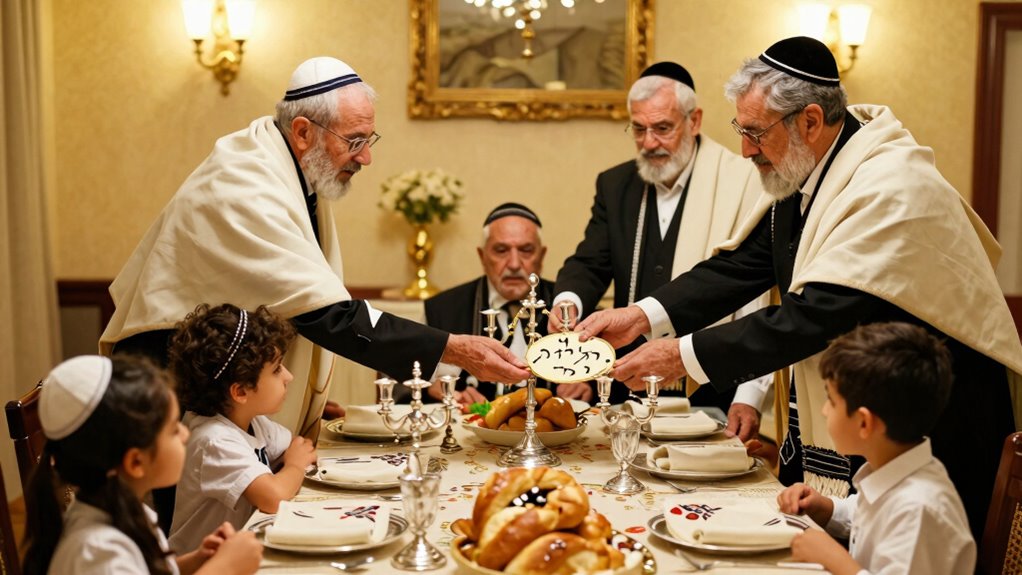
Have you ever wondered how Jewish communities choose names for their children? One longstanding tradition is naming a child after a grandparent, a practice rooted in deep cultural significance and rich historical origins. This custom isn’t just about honoring family members; it reflects a broader respect for lineage, memory, and continuity within the community. When a child is named after a grandparent, it signifies a connection that transcends generations, reinforcing the idea that family history and cultural values are essential to individual identity.
Naming children after grandparents honors lineage, memory, and cultural continuity across generations.
The cultural significance of this tradition runs deep. It’s believed that naming a child after a grandparent helps carry forward the virtues and legacy of that ancestor. It’s a way to keep their memory alive, especially if they’ve passed away. In many Jewish communities, this act also fosters a sense of belonging and shared history, anchoring the new generation to their roots. The pattern of naming after elders often mirrors the community’s broader emphasis on respect for elders and the importance of family bonds. It’s more than tradition; it’s a way to preserve cultural identity through generations. Additionally, this practice often incorporates cultural continuity by passing down specific names and stories that connect families to their heritage.
Tracing back to its historical origins, this custom dates to ancient times, when names carried significant weight and were often linked to historical or biblical figures. In Jewish tradition, naming after a grandparent was seen as a way to honor ancestors and seek their blessings for the child’s future. Historically, names were also chosen to reflect hope, divine qualities, or connections to biblical stories and figures. Over time, this practice became more personalized, focusing on immediate family members, especially grandparents, to emphasize the importance of lineage. During times of hardship or displacement, naming after grandparents served as a reminder of resilience and the unbroken chain of heritage. As the practice has evolved, it also emphasizes the intergenerational transmission of values and stories that bind families together through shared identity. Furthermore, this tradition underscores the importance of family heritage and its role in shaping individual identity and community cohesion. Recognizing the significance of names in this context helps illuminate how deeply rooted these practices are in cultural identity.
Today, the tradition continues, often observed during baby naming ceremonies or at special family gatherings. While the specific names might adapt to modern tastes, the core idea remains unchanged: honoring those who came before and strengthening family ties. Whether the grandparent’s name is directly used or modified, the act of naming in this way remains a meaningful expression of love, respect, and cultural continuity. It also helps ensure that family stories are passed down through generations, keeping the history alive. So, when you see a Jewish child named after a grandparent, know that it’s more than just a name—it’s a living testament to history, tradition, and the enduring power of family.
Jewish baby naming ceremony book
As an affiliate, we earn on qualifying purchases.
As an affiliate, we earn on qualifying purchases.
Frequently Asked Questions
How Are Names Chosen if a Grandparent’s Name Is Controversial?
When a grandparent’s name is controversial, you typically discuss it with family and community elders to decide if it’s appropriate. In modern naming debates, many choose to modify or avoid controversial names altogether, opting for alternative meaningful names. You might also honor the grandparent indirectly or select a different name that respects tradition while avoiding controversy. This approach balances respecting ancestors with addressing contemporary sensitivities.
Are There Specific Prayers Associated With Naming After Grandparents?
Yes, there are specific prayers associated with naming after grandparents, emphasizing the cultural significance and genealogical importance of the tradition. When giving a child’s Hebrew name, you might recite blessings or prayers that honor the grandparents’ memory and lineage. These prayers reinforce the connection between generations, highlighting the spiritual and cultural importance of carrying on family heritage through meaningful names, strengthening the child’s bond to their ancestry.
Do Naming Traditions Differ Between Ashkenazi and Sephardi Communities?
You’ll find that Ashkenazi and Sephardi communities have distinct naming traditions, shaped by rich cultural influences and regional customs. Ashkenazi practices often involve naming the baby after a deceased relative during a special ceremony, while Sephardi traditions may include naming at a bris or during specific prayers. These differences are as vast as the ocean, reflecting their unique histories, languages, and customs, making each tradition beautifully vibrant and meaningful.
How Does Naming After a Grandparent Influence Inheritance or Family Roles?
Naming after a grandparent strengthens your connection to family identity and reinforces a sense of generational legacy. It often signifies an expectation to uphold family values and may influence inheritance, as the named individual feels a responsibility to honor their ancestor’s memory. This tradition fosters respect, continuity, and a deeper understanding of your familial roots, guiding your role within the family and preserving its heritage through generations.
Are There Modern Variations to the Traditional Naming Customs?
Modern naming trends often blend tradition with cultural adaptation, allowing you to honor grandparents while embracing contemporary styles. You might choose names that reflect your heritage but also suit current tastes, or use hybrid names combining old and new elements. This flexibility helps you maintain family connections and cultural identity, giving your children meaningful names that honor the past while fitting into today’s diverse and evolving society.
Hebrew name necklace for children
As an affiliate, we earn on qualifying purchases.
As an affiliate, we earn on qualifying purchases.
Conclusion
So, next time you’re naming a little one after Grandma or Grandpa, remember—you’re keeping traditions alive, even if those names feel a bit old-fashioned or heavy with history. Ironically, while modern parents chase trendy names, these age-old customs remind us that honoring our ancestors is truly timeless. Who knew that a simple name could carry so much meaning—and, perhaps, a little bit of family’s glorious, if sometimes embarrassing, past?
Jewish heritage family tree frame
As an affiliate, we earn on qualifying purchases.
As an affiliate, we earn on qualifying purchases.
Grandparent and grandchild matching jewelry
As an affiliate, we earn on qualifying purchases.
As an affiliate, we earn on qualifying purchases.
Halloween Picks
halloween
As an affiliate, we earn on qualifying purchases.