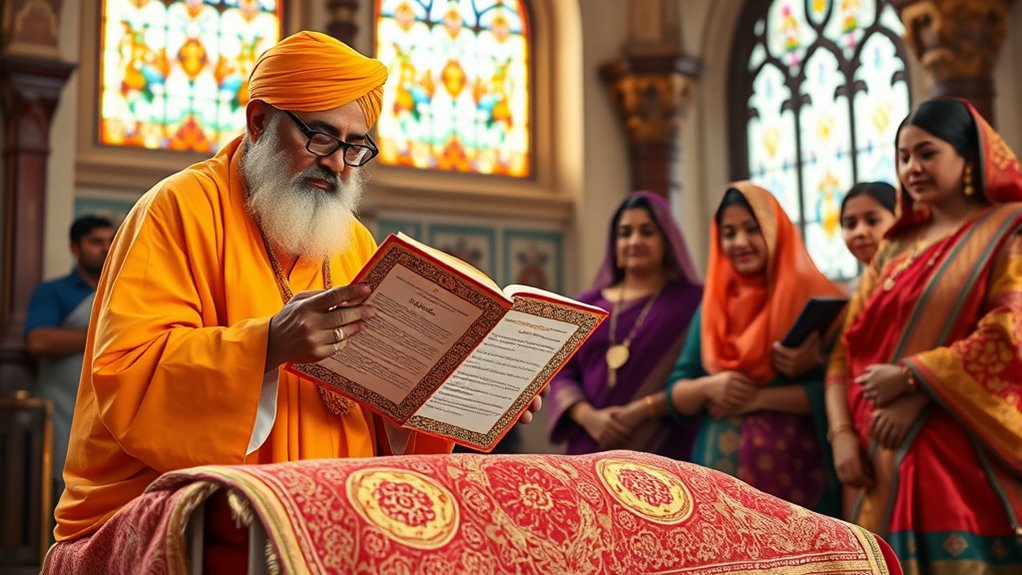

Sikh naming traditions, including Naam Karan and the Hukamnama, are sacred rituals that emphasize spiritual virtues and cultural identity. During the ceremony, elders or priests invoke divine guidance through a Hukamnama from the Guru Granth Sahib, revealing the first letter of the child’s name. The name is chosen to reflect virtues and spiritual significance, blending tradition with modern influences. To understand how these practices connect faith, culture, and personal identity, keep exploring these meaningful customs.
Key Takeaways
- Naam Karan is a sacred naming ceremony where a child’s name is chosen based on spiritual and cultural significance.
- Hukamnama, a divine verse from Guru Granth Sahib, guides the selection of the initial letter and overall name.
- Rituals include prayers, blessings, and readings from the Guru Granth Sahib to invoke divine guidance.
- Names reflect virtues and spiritual values, often starting with the letter revealed through the Hukamnama.
- Modern practices adapt traditional naming with contemporary influences while maintaining spiritual intent.
The Significance of Naam Karan in Sikh Culture
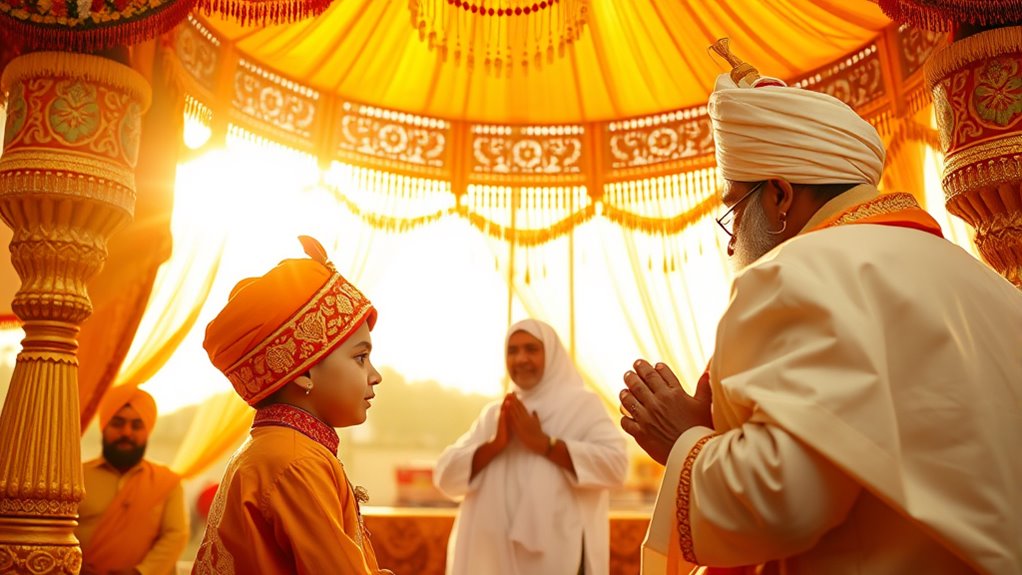
Have you ever wondered why naming a child holds such deep importance in Sikh culture? It’s because the act of Naam Karan carries immense cultural significance and shapes a person’s spiritual identity. A Sikh name isn’t just a label; it connects the individual to their faith, history, and community. The chosen name often reflects virtues like courage, humility, or wisdom, reinforcing values central to Sikh teachings. This naming ceremony signifies a new beginning and a lifelong bond with Sikh principles. It’s a moment of spiritual blessing, emphasizing the importance of identity rooted in faith and tradition. Through Naam Karan, you’re not just giving a name—you’re imbuing a person’s life with meaning and spiritual purpose. Additionally, the process often incorporates Vetted Content to ensure the names align with cultural and spiritual standards.
The Rituals and Procedures of Naam Karan
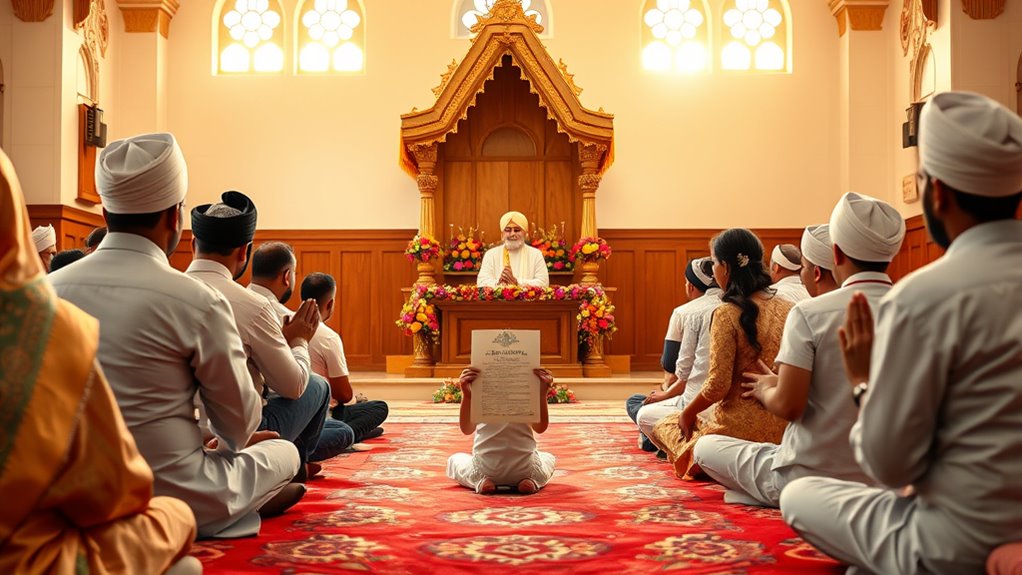
You’ll learn how the preparatory rituals and prayers set the stage for the Naam Karan ceremony. During the ceremony, specific procedures are followed to officially give the child their name. These steps guarantee the process is meaningful and rooted in Sikh traditions. Incorporating spiritual practices such as prayer and meditation can enhance the spiritual significance of the event and align it with divine guidance.
Preparatory Rituals and Prayers
Before the Naam Karan ceremony begins, certain preparatory rituals and prayers set the spiritual tone for the child’s naming. You’ll start with prayer recitations, which help focus everyone’s minds and invoke divine blessings. Ritual preparations include cleansing the prayer area, arranging the Guru Granth Sahib, and ensuring all ceremonial items are ready. These steps create a sacred environment, fostering a sense of reverence and unity among family and community members. As you prepare, you might recite specific prayers to seek guidance and protection for the child. This period of preparation is essential for establishing a spiritual connection and setting a respectful, peaceful atmosphere for the upcoming naming ceremony.
Ceremony and Naming Process
As the preparatory prayers conclude and the sacred space is set, the Naam Karan ceremony begins with the congregation gathering around the Guru Granth Sahib. During this ritual, you follow specific naming customs rooted in Sikh tradition, but cultural variations may influence the process. The ceremony typically involves reciting the Hukamnama, a random verse from the Guru Granth Sahib, which guides the naming. You listen carefully as the chosen verse reveals the initial letter of the child’s name. The family then selects a name starting with that letter, often reflecting spiritual significance. The priest or family elder may offer blessings and explain the meaning of the chosen name. This sacred act unites community and family in honoring the child’s spiritual identity through precise rituals. Naming traditions provide a meaningful way to connect the child’s identity with spiritual teachings and community values.
Understanding the Role of Hukamnama in Naming

The Hukamnama plays a vital role in Sikh naming traditions by serving as a divine directive from the Guru. Its historical origins trace back to the time when Gurus issued these sacred commands to guide followers in spiritual and everyday matters. When you receive a Hukamnama, you’re accessing a message with deep linguistic significance, often written in Gurmukhi script, reflecting the Guru’s wisdom. This divine order helps determine the auspicious timing and the specific qualities or themes to be embodied through your child’s name. By following the Hukamnama, you connect with the divine will, ensuring your child’s name aligns with spiritual principles. It emphasizes that naming isn’t just cultural but also a sacred act rooted in divine guidance. Additionally, understanding the color accuracy of the associated spiritual symbols can enhance the meaningfulness of the chosen name.
How Hukamnama Guides the Naming Process

When a Hukamnama is received, it becomes the guiding force in selecting a child’s name, shaping the entire process around divine insight. This sacred guidance incorporates cultural symbolism and linguistic origins, guaranteeing the name reflects spiritual values and heritage. The process involves interpreting the Hukamnama’s message to identify meaningful words or themes, which serve as a foundation for choosing a name. The table below illustrates how linguistic origins and cultural symbolism influence this process: Linguistic Origins and cultural symbolism are essential in ensuring the name aligns with traditions and spiritual significance.
| Aspect | Significance |
|---|---|
| Linguistic Origins | Roots of names link to Punjabi or Sanskrit, emphasizing heritage. |
| Cultural Symbolism | Names symbolize virtues, divine qualities, or historical connections. |
| Divine Guidance | Hukamnama directs towards names with spiritual relevance. |
| Personal Connection | Ensures the name resonates with family values and identity. |
Symbolism and Spiritual Meaning Behind Sikh Names

You’ll notice that Sikh names often embody divine attributes, reflecting qualities like courage, humility, and wisdom. These names are carefully chosen to connect you to the teachings of the Guru Granth Sahib and its spiritual messages. By understanding their symbolism, you can appreciate the deeper meaning behind each name and its significance in your faith. Incorporating mindfulness techniques can help you develop a deeper awareness of the spiritual significance behind these names and their connection to your personal growth.
Divine Attributes in Names
Sikh names often embody divine attributes that reflect spiritual ideals and virtues. These names carry deep spiritual symbolism, representing qualities like courage, humility, compassion, and wisdom. By choosing a name with divine attributes, you connect yourself to higher virtues and embody the spiritual qualities cherished in Sikhism. Names such as “Harpreet” (God’s love) or “Amar” (immortal) emphasize virtues that inspire personal growth and spiritual development. These names serve as a reminder of the divine qualities you aspire to embody and help reinforce your commitment to living a truthful, virtuous life. The spiritual symbolism behind Sikh names ensures that each name is more than just a label—it’s a reflection of divine attributes that guide your character and actions. Understanding the significance of name selection can deepen your connection to Sikh traditions and values.
Connection to Guru Granth Sahib
Names in Sikh tradition are deeply connected to the teachings and symbolism found in the Guru Granth Sahib, the holy scripture. When you receive a Sikh name, it reflects Gurmat teachings that emphasize virtues like humility, compassion, and courage. These names serve as spiritual guides, reminding you of the values promoted by the Guru Granth Sahib. In Sikh community practices, choosing a name rooted in the scripture fortifies your connection to the Guru and reinforces your faith. Your name carries the spiritual significance of the scripture’s messages, inspiring you to embody the qualities taught by the Gurus. This deep connection ensures that your name isn’t just a label, but a reminder of your spiritual journey and commitment to Sikh principles. Additionally, symbolic significance in Sikh naming traditions underscores the importance of aligning one’s identity with spiritual virtues.
Modern Practices and Adaptations of Sikh Naming Traditions
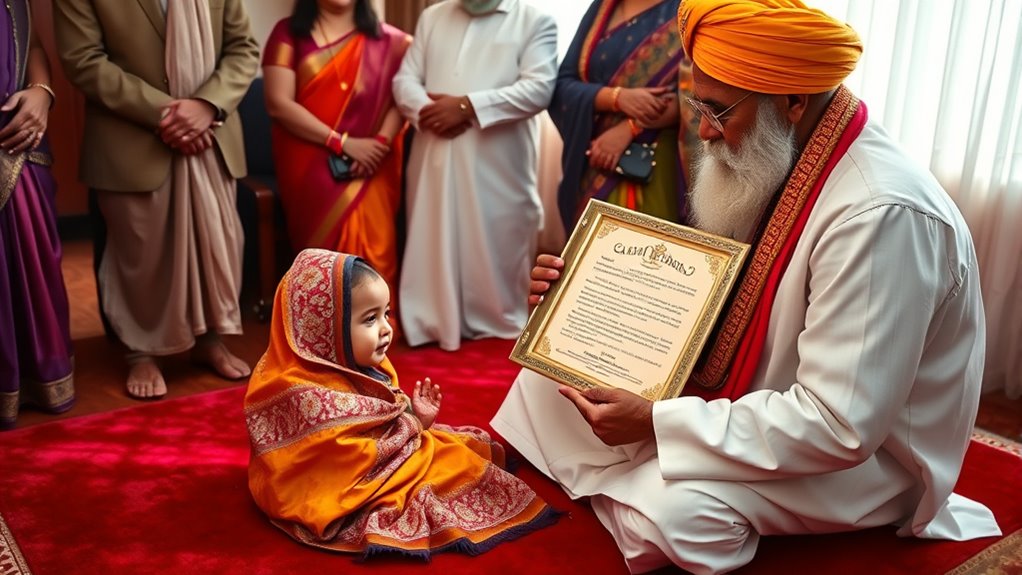
Modern practices and adaptations of Sikh naming traditions reflect a dynamic blend of tradition and contemporary influences. You’ll notice cultural integration as families incorporate modern naming trends, blending traditional names with global or unique choices. Many parents now select names inspired by popular culture, international trends, or personal preferences while still respecting Sikh principles. Some opt for shorter, more easily pronounceable names to suit modern lifestyles, while others combine traditional elements with innovative sounds. The process of choosing a name remains meaningful, often still involving the Hukamnama or consulting elders, but it’s adapted to fit today’s diverse cultural landscape. This evolution allows Sikh naming traditions to stay relevant, embracing change while honoring core spiritual values. Additionally, the significance of name pronunciation and ensuring it aligns with spiritual intent remains an important aspect of modern naming practices.
Frequently Asked Questions
How Are Names Chosen if the Hukamnama Suggests a Different Name?
If the hukamnama guidance suggests a different name, you typically respect the divine direction and consider the alternative naming choices. You can discuss the hukamnama with elders or spiritual guides to understand its significance better. Sometimes, you might choose a name that aligns with the hukamnama while still honoring your original preference. Ultimately, you follow the guidance given, trusting it’s meant to bring the child’s best spiritual blessing.
Are There Specific Days Considered More Auspicious for Naam Karan?
Yes, there are specific days considered more auspicious for naam karan, often based on traditional timing and planetary positions. You might choose days like Gurpurabs or other significant Sikh festivals, which are believed to bring good fortune. These auspicious days are seen as ideal opportunities for the naming ceremony, helping guarantee the child’s name is blessed and aligned with spiritual and cultural traditions.
Can Non-Sikh Family Members Participate in the Naming Ceremony?
Yes, non-Sikh family members can participate in the naming ceremony. You’re encouraged to involve friends and relatives from various backgrounds, fostering a sense of unity and shared joy. Their participation might include offering blessings, sharing memories, or simply being present during the event. This inclusive approach helps everyone feel connected and part of the celebration, regardless of their religious background.
How Do Modern Naming Trends Align With Traditional Sikh Practices?
Modern naming trends often blend traditional Sikh practices with cultural influences from globalization and modernization. You might notice names inspired by popular culture or international styles, yet still rooted in Sikh values. While these trends impact how names are chosen, many still honor the core principles of Naam Karan and Hukamnama. You can embrace contemporary influences while respecting the traditional significance, creating a meaningful connection between past and present.
What Are the Common Misconceptions About Sikh Naming Customs?
You might think Sikh naming customs are just about choosing a name, but cultural misunderstandings often lead to misinterpretations of customs. Many believe all Sikh names have specific religious meanings or that names are assigned randomly. In reality, the naming process involves meaningful traditions like the Hukamnama, where a random scripture guides the name, reflecting a deep spiritual connection. Clarifying these misconceptions helps you better appreciate the rich cultural significance behind Sikh naming practices.
Conclusion
As you explore Sikh naming traditions, you realize how these sacred rituals connect you to centuries of spiritual history. Sometimes, a simple hukamnama can unexpectedly guide you to the perfect name, almost like destiny stepping in. Embracing these customs deepens your understanding of faith and identity. In the end, it’s as if the universe conspires to help you choose a name that carries profound meaning, shaping your spiritual journey in ways you never imagined.