Zoroastrian names are deeply significant, reflecting ancient Persian beliefs and values. Each name embodies ethical principles, connecting you to the spirituality and cultural identity of Zoroastrianism. Names like “Mitra” and “Rostam” symbolize loyalty, bravery, and divine qualities, preserving a rich heritage. They’re not just labels; they act as conduits for blessings during important life events. Discover how these names enhance your connection to the past and resonate with contemporary life.
Key Takeaways
- Zoroastrian names carry deep meanings tied to spiritual principles and ethical values, reflecting the cultural identity of the community.
- Many names originate from significant figures in Zoroastrianism, such as Ahura Mazda and Zoroaster, preserving ancient beliefs.
- Names like “Asha” and “Mitra” symbolize core ethical principles, including truth, loyalty, and friendship, central to Zoroastrian teachings.
- Naming ceremonies in Zoroastrian culture emphasize the spiritual importance of names, reinforcing community ties and individual identity.
- The legacy of ancient Persian values, such as bravery and loyalty, is reflected in names like “Rostam,” connecting individuals to their heritage.

When you explore Zoroastrian names and ancient Persian beliefs, you’ll uncover a rich tapestry of culture and spirituality that has influenced countless generations. At the heart of this tradition, you’ll find names that carry deep meanings and historical significance. Each name isn’t just a label; it’s a reflection of the values, beliefs, and rituals that have been passed down through ages. This connection to ritual significance is essential in understanding how these names are woven into the fabric of Zoroastrian spirituality.
Zoroastrianism, one of the world’s oldest religions, places considerable importance on the meanings behind names. Many Zoroastrian names have historical origins tied to the great figures of the religion, such as Ahura Mazda, the supreme deity, and Zoroaster, the prophet. By choosing a name rooted in these historical contexts, you’re not just honoring the past; you’re also embracing the spiritual ideals that these figures represent. For example, a name like “Asha,” which means truth and order, reflects the ethical principles that Zoroastrianism stands for.
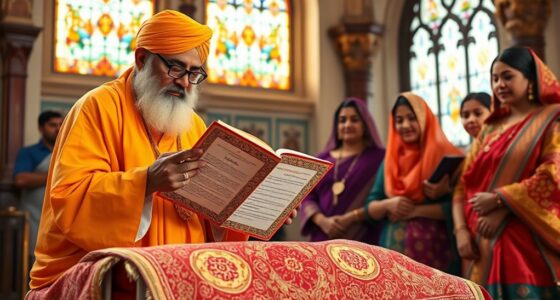
The ritual significance of these names can’t be understated. In Zoroastrian culture, names are often bestowed during specific ceremonies, marking significant life events. This ritualistic approach emphasizes the importance of names as more than mere identifiers. They serve as conduits for blessings and protection, connecting individuals to their spiritual heritage. When you participate in these naming ceremonies, you’re engaging in a deep cultural practice that reinforces community ties and individual identity.
As you dive deeper into Zoroastrian names, you’ll also encounter a variety of names that illustrate the ancient Persian belief system. Names like “Mitra,” associated with the god of covenants, evoke the essence of loyalty and friendship. Similarly, “Rostam,” a legendary hero in Persian literature, symbolizes strength and bravery. These names not only carry the historical name origins but also embody the values that were cherished in ancient Persian society.
In discovering these names, you’ll find that they often inspire a sense of purpose and belonging. Whether you’re considering a name for a child or simply exploring your roots, understanding the historical and ritual significance of Zoroastrian names can enrich your connection to this ancient tradition. By embracing these names, you’re honoring a legacy that continues to resonate in today’s world, reminding us of the enduring power of culture and spirituality. Additionally, names in Zoroastrian culture are often linked to specific ceremonies that further enhance their spiritual relevance.
Frequently Asked Questions
What Is the Significance of Fire in Zoroastrianism?
Fire holds immense significance in Zoroastrianism, symbolizing purity and the divine presence of Ahura Mazda. You’ll find that sacred fire symbolism is central to their worship, representing truth and righteousness. During fire purification rituals, practitioners seek spiritual cleansing and renewal, reinforcing their commitment to good thoughts, words, and deeds. This reverence for fire fosters a deeper connection to their faith, reminding you of the eternal struggle between light and darkness.
How Do Zoroastrians Celebrate Their Religious Festivals?
Zoroastrians celebrate their religious festivals with vibrant rituals and community gatherings. You’ll find traditional festival foods like sweets and rice dishes served during these events. Zoroastrian wedding rituals often blend into these celebrations, highlighting the importance of family and unity. During festivals, you might witness prayers, music, and dancing, creating a joyful atmosphere that honors their beliefs and traditions. It’s a beautiful way to connect with the community and celebrate together.
Are There Any Modern Zoroastrian Communities Today?
Yes, modern Zoroastrian communities thrive like vibrant threads in a rich tapestry. You’ll find them in places like India, Iran, and the United States, where the Zoroastrian diaspora has established lively gatherings. These communities actively practice their faith, blending ancient traditions with contemporary life. You’ll see them celebrating festivals, engaging in interfaith dialogue, and adapting their religious practices to fit modern society, ensuring their beliefs stay alive and relevant today.
What Role Do Zoroastrian Texts Play in Beliefs?
Zoroastrian sacred texts play a vital role in shaping your beliefs and practices. They provide spiritual guidance, offering insights into ethics, rituals, and the nature of existence. By studying these texts, you deepen your understanding of Zoroastrian principles and how they apply to daily life. They help you connect with your faith, guiding your actions and decisions while fostering a sense of community with other followers who share the same values.
How Does Zoroastrianism Influence Contemporary Persian Culture?
Zoroastrianism influences contemporary Persian culture by shaping values and traditions you see today. In Persian art, you’ll notice themes of light and duality, reflecting Zoroastrian beliefs. Modern Zoroastrian practices, like celebrating Nowruz, connect you to ancient customs, fostering a sense of identity and community. As you engage with these cultural elements, you can appreciate how they intertwine with Zoroastrian teachings, enriching Persian heritage in today’s world.
Conclusion
As you explore deeper into Zoroastrian names and ancient Persian beliefs, you uncover a world rich with meaning and history. Each name carries a weight of tradition, echoing the wisdom of a time long past. But what if these names hold the key to understanding not just the ancients, but ourselves? As you ponder this, the threads of connection between past and present begin to weave together, leaving you curious about the stories still waiting to be told.