
TL;DR

Prime made for students and young adults
- Fast, free delivery for dorm and study essentials
- Prime Video and Amazon Music included
- Member-only deals
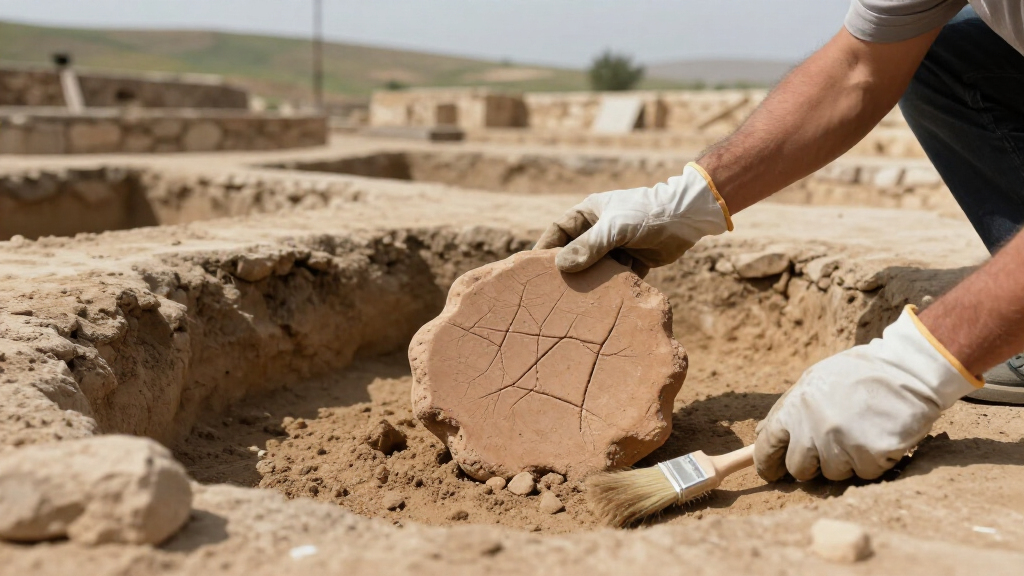
Archaeologists excavating the ancient Hittite city of Samuha in central Turkey found 131 cuneiform tablets and fragments this season. The texts, dating to King Tudhaliya II’s reign, include records of a royal child’s illness and funeral, military requests, religious ceremonies and bird divination.
Archaeologists have recovered 131 cuneiform tablets and fragments from the ancient Hittite city of Samuha, in modern-day Sivas province in central Turkey. Dating to the reign of King Tudhaliya II around 3,400 years ago, the texts record royal family life, military logistics, religious rituals and a fever epidemic, adding a substantial body of evidence about the Hittite state and its administration.
The new finds more than triple the 53 tablets and fragments recovered at the site in the previous excavation season. The report describes the material as the largest and most comprehensive archive of Hittite-language documents found in the 21st century. The tablets are written in Hittite and Hurrian and cover correspondence, prayers, rituals and divination as well as events at court.
One text describes a fever that struck the king’s infant daughter while she was still nursing. According to the account, she did not recover, and the tablet records the funerary ritual performed after her death. The records also show attention to the health of royal children and the children of senior officials. In the religious framework described in the source report, illness was understood in relation to divine will, and ritual specialists carried out ceremonies connected with children’s health.
Another tablet preserves a message from Hittite generals in western Anatolia asking the king for additional troops, horses and chariots. The commanders warned that their forces could be defeated without reinforcements and sought to distance themselves from responsibility for any resulting failure. The letter places Tudhaliya at Samuha when it arrived, offering evidence that the city was a working royal center, not only a religious site.
New Evidence on Hittite Rule
The archive brings together records of court, army and religious administration, allowing researchers to examine how these parts of the Hittite state operated in the same period. The generals’ appeal gives a rare view of the practical difficulties of supplying forces far from the king and court. It also captures the political relationship between field commanders and the ruler: the generals make their need explicit while warning the king of the consequences of failing to send support.
The texts about the royal child and other young people offer a different kind of evidence: they show how illness and death were documented and addressed through ritual. A tablet describing the movements of bird diviners, meanwhile, records routes, stopovers and observations in a diary-like format. Together, these materials may help scholars study Hittite language, scribal practices and religious life through specific records rather than later summaries.
As an affiliate, we earn on qualifying purchases.
Samuha as Royal Stronghold
Samuha was a significant Hittite center during a period of military and political upheaval. The source report identifies it as a royal stronghold used by Tudhaliya II. It also says that his successor, Suppiluliuma I, later used the city as a base for campaigns that strengthened and expanded the empire. The letter from western Anatolia is especially relevant to this setting because it indicates that the king was at Samuha while receiving news from forces operating at a distance.
The city also had a major religious role. Its patron deity was Sauska, a goddess of love and war associated with the Hurrian pantheon and linked in the report to Ishtar. The archive’s records of rituals and divination add material for investigating how religious duties were organized at Samuha. One tablet follows bird diviners as they traveled through different regions, noting the places they visited and the birds they observed—details that could shed light on how omens were collected and interpreted.
As an affiliate, we earn on qualifying purchases.
What the Tablets Cannot Yet Show
The source report does not provide the excavation team’s full publication, the exact find locations of individual tablets, or details about their condition and conservation. It also does not name the archaeologists or institutions responsible for the work. The descriptions of the texts are therefore preliminary reporting; the tablets’ complete wording, translations and scholarly interpretation may change as specialists study them.
The reported total combines complete tablets with fragments, and the source does not explain how many separate documents those pieces represent. Nor does it give a precise calendar date for the excavation season or establish whether further finds are expected. The claim that this is the largest and most comprehensive 21st-century Hittite-language archive is presented in the report, but no comparative survey or criteria are supplied there.
As an affiliate, we earn on qualifying purchases.
Publication and Further Study
The next step is detailed cataloguing, conservation and analysis of the newly recovered material. Researchers will need to establish which fragments belong together, refine readings of the Hittite and Hurrian texts, and compare the documents with other records from the period. Those efforts can test what the archive reveals about the court, the movement of military supplies and the rituals practiced in Samuha.
No publication schedule or further excavation plans are specified in the source report. Until translations and studies are released, the accounts of the fever, the generals’ request and the bird diviners should be treated as descriptions of the reported texts rather than complete readings of the archive.
historical language learning books
As an affiliate, we earn on qualifying purchases.
As an affiliate, we earn on qualifying purchases.
Key Questions
Where was the Hittite archive found?
The tablets were found at ancient Samuha, in modern-day Sivas province in central Turkey.
How many tablets were uncovered?
This excavation season produced 131 tablets and fragments. The previous season yielded 53, according to the source report. The combined counts refer to tablets and fragments, not necessarily to the same number of complete documents.
What do the tablets describe?
The reported subjects include royal correspondence, military requests, religious rituals, prayers and divination. One text describes a fever affecting the king’s infant daughter and the funeral ritual that followed.
When were the records written?
The texts are dated to the reign of King Tudhaliya II, approximately 3,400 years ago. The source does not provide more precise dates for the individual documents.
What remains unknown about the discovery?
The source report does not give full translations, detailed excavation locations, conservation information or a publication timetable. Further study is needed to establish the complete contents and relationships among the fragments.
Source: hn
Halloween Picks
halloween
As an affiliate, we earn on qualifying purchases.