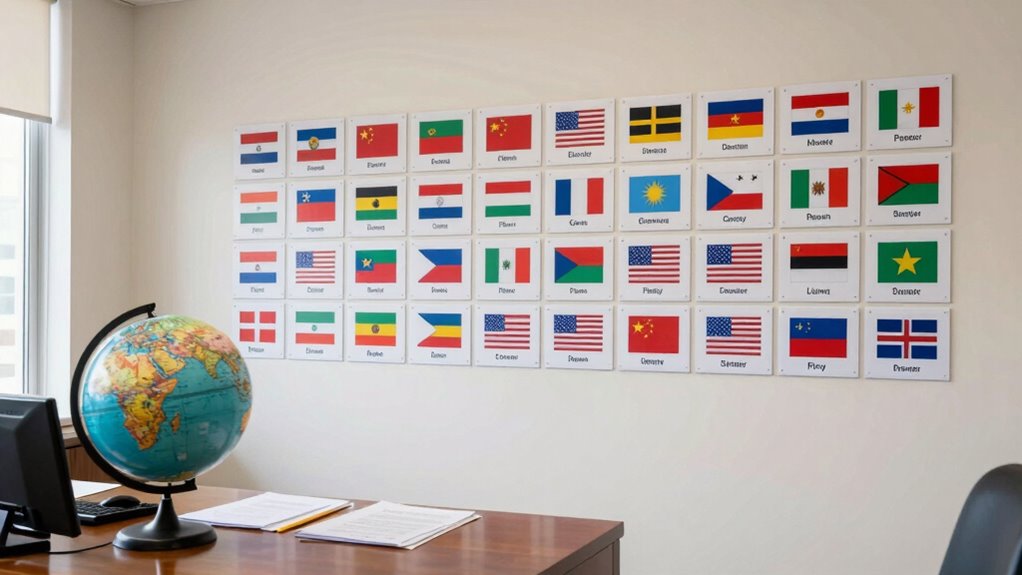

Many countries keep approved name lists to guarantee names follow cultural, linguistic, and legal standards, helping prevent confusion and legal issues. They also protect children from ridicule and preserve cultural traditions. These lists guide parents and streamline official documentation, especially in diverse populations. By controlling acceptable names, nations support social stability and avoid disputes. If you continue exploring, you’ll discover more about how these regulations balance tradition with practicality.

Prime made for students and young adults
- Fast, free delivery for dorm and study essentials
- Prime Video and Amazon Music included
- Member-only deals
Key Takeaways
- To ensure names comply with cultural, linguistic, and legal standards, preserving tradition and societal order.
- To prevent names that could cause legal issues, confusion, or embarrassment for individuals.
- To streamline official registration processes and avoid disputes over unconventional or inappropriate names.
- To protect cultural identity by including traditional names while maintaining practical naming standards.
- To promote social stability by regulating names that could lead to conflicts or misunderstandings.

Every country has its own rules about what names are acceptable for newborns, ensuring that names fit cultural, linguistic, and legal standards. These rules often stem from a desire to preserve cultural naming traditions and prevent names that could cause harm or confusion. Many nations have established approved name lists to guide parents during the naming process, making sure that the chosen names align with societal norms and legal requirements. These lists serve as a way to respect cultural identities while maintaining order within the legal system.
Countries create approved name lists to protect cultural traditions and ensure legal and societal order.
Legal naming restrictions are put in place to prevent names that could be deemed offensive, overly complicated, or inappropriate. For example, some countries restrict names with special characters, numbers, or those that could be misinterpreted as offensive language. Authorities want to avoid situations where a name might cause embarrassment or legal complications later on. By maintaining approved name lists, governments can control the types of names registered, ensuring they are suitable for official documents like birth certificates and passports. Additionally, some countries implement name registration procedures that involve review and approval by designated authorities to further enforce these standards.
Cultural naming traditions heavily influence these lists. In many societies, names carry deep historical, religious, or familial significance. Countries often include traditional names on their approved lists to honor their heritage and support cultural continuity. Conversely, some nations limit names to avoid names that could clash with linguistic standards or be difficult to pronounce. This balance helps to respect tradition while ensuring names remain practical and legally compliant. To further support these efforts, some countries also implement name registration procedures that involve review and approval by designated authorities. Moreover, the inclusion of traditional names on these lists helps preserve cultural identity and ensures that naming practices align with societal values. Establishing and maintaining these lists also assists in reducing name disputes and minimizing administrative burdens during the registration process.
You might wonder why some countries are more strict than others. In places with diverse populations, authorities tend to be more cautious about allowing names that could cause confusion or social division. Approved name lists act as a safeguard, helping to streamline the registration process and reduce disputes over what constitutes an acceptable name. They also prevent parents from choosing names that could be legally challenged or rejected during official documentation.
While it might seem restrictive, these lists are designed to benefit everyone by maintaining clarity and order. They help protect children from potential ridicule and ensure that names are compatible with the country’s language and legal systems. By adhering to approved name lists, parents can avoid complications that might arise from unconventional or non-standard names. Overall, countries maintain these lists to strike a balance between cultural expression and societal stability, making sure that every name fits within the framework of tradition, language, and law.
As an affiliate, we earn on qualifying purchases.
Frequently Asked Questions
How Do Countries Decide Which Names Are Approved or Rejected?
You might wonder how countries decide which names are approved or rejected. Usually, government policies and naming conventions guide this process. Authorities review proposed names to guarantee they meet cultural, linguistic, or legal standards. They reject names that could cause confusion, harm, or violate traditions. This process helps maintain social order and cultural identity, ensuring that names align with the country’s values and legal frameworks, making the naming process consistent and respectful.
Are Approved Name Lists Updated Regularly Across Different Countries?
Imagine a vibrant tapestry of naming conventions, each thread representing a country’s unique legal restrictions. Yes, approved name lists are regularly updated to reflect evolving cultural norms and legal standards. Countries review and revise these lists to make certain names stay respectful, appropriate, and compliant. This ongoing process helps maintain harmony between tradition and modernity, ensuring that names chosen are meaningful while respecting legal boundaries.
Do Approved Name Lists Vary Significantly Between Cultures?
Yes, approved name lists vary substantially between cultures because they reflect each society’s unique naming traditions and values. While some countries adhere to strict guidelines rooted in cultural naming traditions, others align more closely with global naming standards. This variation guarantees names honor heritage and identity, highlighting cultural diversity. As you encounter different countries, you’ll notice these differences shape how names are chosen and approved, respecting each culture’s distinctive naming practices.
What Penalties Exist for Naming Violations Outside Approved Lists?
If you break naming conventions outside approved lists, you could face severe penalties—think fines, legal action, or even losing custody of your child. Countries enforce these rules through strict legal enforcement, aiming to preserve cultural identity and prevent chaos. Violating naming laws isn’t just a minor slip-up; it can lead to bureaucratic nightmares, social disapproval, and long-lasting legal complications, making it essential to follow the approved naming conventions carefully.
How Do Approved Name Lists Impact Personal Identity and Cultural Expression?
Approved name lists can restrict your cultural identity and personal expression by limiting the names you can choose. When you’re forced to select from a predefined list, you might feel your cultural roots or individuality are undervalued. These restrictions can stifle personal expression and make it harder to celebrate your heritage openly. Ultimately, using approved name lists may suppress your ability to fully express your cultural identity through your name.
official birth certificate name stamps
As an affiliate, we earn on qualifying purchases.
As an affiliate, we earn on qualifying purchases.
Conclusion
You stand at the crossroads of tradition and modernity, where approved name lists act as quiet guardians of cultural identity. Like a gentle river guiding its course through ancient valleys, these lists help preserve history amidst changing times. They’re more than rules—they’re the threads weaving a nation’s story. Embracing them means holding onto the roots that anchor you, ensuring your cultural tapestry remains vibrant and true, even as the world around you shifts and flows.
As an affiliate, we earn on qualifying purchases.
As an affiliate, we earn on qualifying purchases.
Halloween Picks
halloween
As an affiliate, we earn on qualifying purchases.