In Chinese culture, choosing auspicious characters for names is a significant practice filled with hope and intention. Each character embodies meanings that reflect your family’s aspirations for success, health, and happiness. Families spend time selecting names that resonate both phonetically and visually, honoring lineage while blending in societal values. The process goes beyond mere naming—it’s a connection to identity and heritage. Want to uncover more about this fascinating tradition?

Prime made for students and young adults
- Fast, free delivery for dorm and study essentials
- Prime Video and Amazon Music included
- Member-only deals
Key Takeaways
- Chinese names are carefully chosen to reflect cultural values and family aspirations for the child’s future.
- Each character in a name carries specific meanings, influencing the child’s fate and well-being.
- Auspicious characters are often selected based on traditional texts and guidance from fortune-tellers.
- The tonal quality of names enhances their significance, making sound an essential factor in selection.
- Names typically consist of two or three characters, emphasizing lineage and family heritage over individual identity.
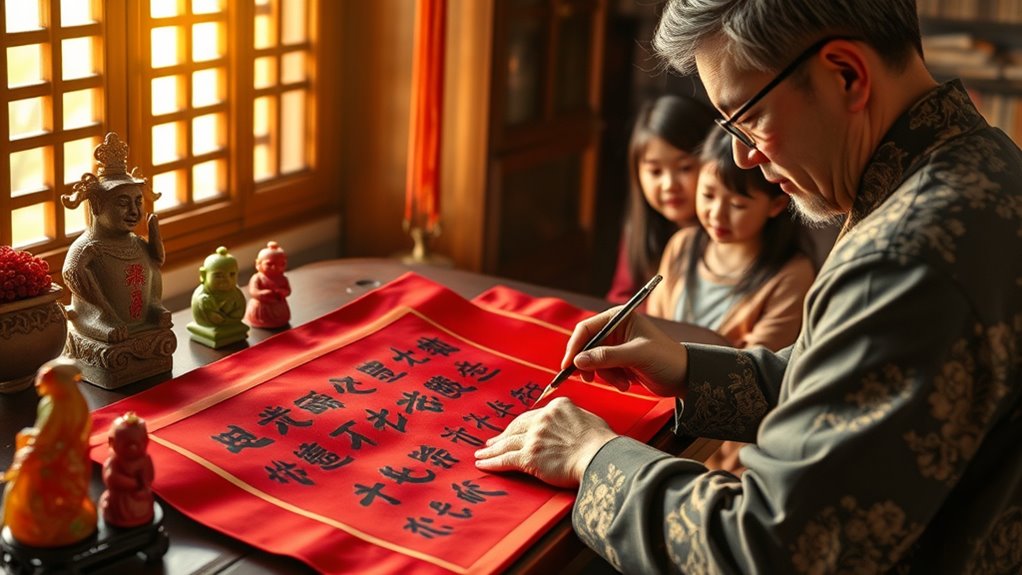
Have you ever wondered how deeply a name can reflect one’s identity in Chinese culture? In China, naming customs go beyond simply choosing a name; they embody hopes, aspirations, and cultural significance. When parents select a name for their child, they often consider various elements that can influence the child’s future and personality. The process is intricate, and it’s not uncommon for families to spend a considerable amount of time deliberating over the perfect name.
One of the most notable aspects of Chinese naming traditions is the focus on auspicious characters. Each character in the Chinese language carries its own meaning and energy, which can be seen as a reflection of the child’s destiny. Parents often consult traditional texts or seek advice from fortune-tellers to ensure they choose characters that harmonize well with the family’s values and beliefs. It’s fascinating how a single character can encapsulate dreams of success, health, or happiness.
The significance of auspicious characters in Chinese names reflects parents’ hopes for their child’s destiny and well-being.
Additionally, the sounds of the names are also important. Chinese names often have a melodic quality, and the tonal nature of the language means that the way a name sounds can carry its own significance. As a result, parents might opt for names that not only look good on paper but also resonate well when spoken. This attention to detail showcases the cultural significance of names in Chinese society and highlights a deep-seated belief that a name can influence a person’s life course.
Moreover, you might notice that many Chinese names are comprised of two or three characters, each contributing to the overall meaning. The family name typically comes first, which emphasizes the importance of lineage and heritage. This contrasts with many Western naming customs, where individual identity often takes precedence. In Chinese culture, the collective identity of the family is paramount, and names serve as a bridge connecting generations.
It’s also common for names to reflect societal values, such as wisdom, strength, or resilience. When you meet someone with a name like “Jing” (meaning “quiet” or “calm”), you’re not just encountering a label; you’re engaging with a set of hopes and expectations that the parents have for their child. This profound connection between names and identity in Chinese culture is a tribute to the care and thoughtfulness that goes into each naming decision. Next time you hear a Chinese name, consider the rich tapestry of meaning and tradition woven into it.
Frequently Asked Questions
What Are the Most Popular Characters Used in Chinese Names?
The most popular characters in Chinese names often include “伟” (wěi), meaning great or mighty, and “芳” (fāng), which signifies fragrance or elegance. You’ll find “杰” (jié), meaning outstanding, and “丽” (lì), meaning beautiful, also commonly used. Each character carries symbolic meanings that reflect positive traits, hopes, or aspirations for the individual. Choosing these characters can add depth and warmth to a name, making it more meaningful.
How Do Family Names Influence the Choice of Given Names?
Family names substantially influence given names by reflecting generational naming patterns and cultural values. For example, if your family name is Chen, you might choose a given name like Wei, which means “great.” This choice honors family name significance and connects you to your heritage. Parents often select names that complement the family name, ensuring continuity and respect for ancestors while also expressing hopes for the child’s future.
Can Names Change Throughout a Person’s Life in China?
Yes, names can change throughout a person’s life in China. You might experience name modifications due to various cultural naming customs, such as marriage or personal preferences. Many people adopt new names to reflect their identity or aspirations. In some cases, parents might change a child’s name if they feel the original no longer carries auspicious meaning. It’s all part of the rich tapestry of cultural practices surrounding names in China.
Are There Specific Characters to Avoid When Naming a Child?
Yes, there are specific characters you might want to avoid when naming a child. You should be aware of superstitions about certain characters that are considered unlucky or associated with negative meanings. For instance, names that sound like words for death or misfortune are often avoided due to cultural taboos in naming. Keeping these considerations in mind can help guarantee that you choose a name that brings good fortune and positive associations for your child.
How Do Regional Dialects Affect Naming Conventions in China?
Regional dialect influences in China play a significant role in naming conventions. You’ll find that certain names might sound appealing in one dialect but awkward in another due to pronunciation considerations. For instance, names that are easy to pronounce in Mandarin might have different tones or meanings in Cantonese or other dialects. This can lead you to choose names that resonate well across different regions, ensuring your child’s name is universally appreciated.
Conclusion
As you ponder the significance of names in Chinese culture, consider the weight they carry. Each character is a thread woven into the tapestry of a child’s future, hinting at fortune, health, or wisdom. What if the name you choose could steer their destiny? The pressure intensifies, doesn’t it? With every stroke of the brush, you hold the power to shape their life. Will you choose wisely, or will fate take an unexpected turn? The choice is yours.
Evergreen bestsellers Picks
bestsellers
As an affiliate, we earn on qualifying purchases.