
When you encounter someone with a Spanish double surname abroad, you’ll notice it often stays intact, reflecting their cultural roots. These surnames typically include family names from both parents, serving as a marker of Spanish heritage and identity. They help others recognize the person’s origins, even across borders. While some may adapt or shorten the names informally, the formal double surname usually remains. To discover how these customs continue to connect individuals to their culture worldwide, keep exploring.

Prime made for students and young adults
- Fast, free delivery for dorm and study essentials
- Prime Video and Amazon Music included
- Member-only deals
Key Takeaways
- Spanish double surnames are typically retained in official documents when crossing borders, preserving cultural identity.
- Names usually remain unchanged, helping identify Spanish origins in legal and social contexts abroad.
- Variations may occur in countries with different naming conventions, but the double surname often remains recognizable.
- Official IDs like passports display both surnames, ensuring legal recognition across borders.
- The custom reinforces cultural ties and collective heritage, traveling with individuals internationally.
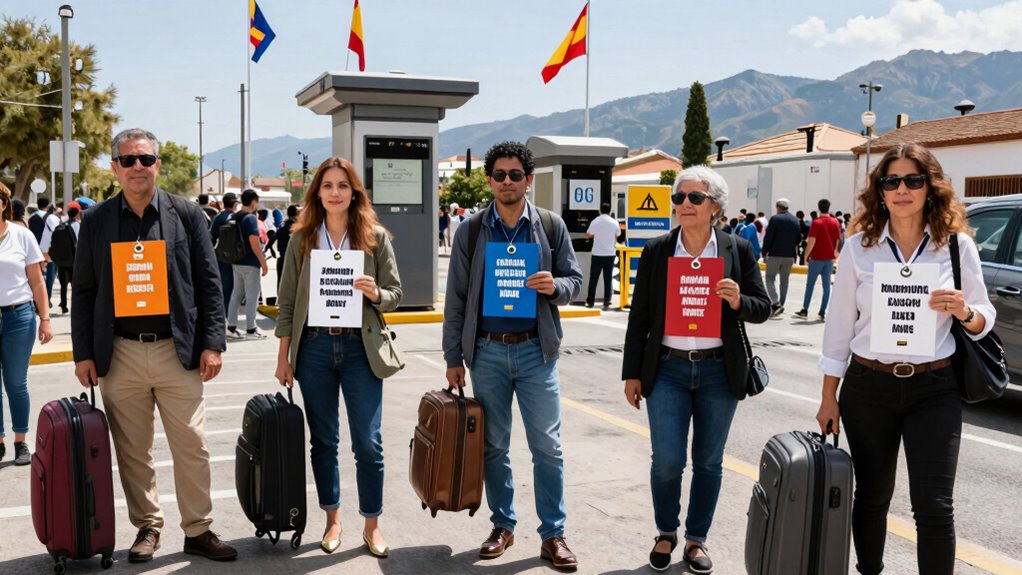
When you cross borders from Spain to neighboring countries, you’ll notice a distinctive naming tradition that sets Spaniards apart: the use of double surnames. This practice is deeply rooted in Spanish culture and varies from the naming conventions you might see elsewhere in Europe. Instead of a single family name, Spaniards typically carry two surnames—one from their father and one from their mother—forming a double surname. This naming convention reflects a strong sense of cultural identity, emphasizing family lineage and heritage. As you observe travelers or locals with two surnames, it’s clear that this tradition isn’t just about names; it’s about preserving history and social ties.
When these naming conventions cross borders, they often retain their original structure, which can surprise or even confuse those unfamiliar with the custom. In many neighboring countries, only one surname is common, so seeing two can immediately signal Spanish origins. This distinction helps preserve cultural identity even as individuals move or travel. Spaniards may also adapt their double surnames in different contexts, sometimes using only the first surname in informal settings or when registering in countries with different naming practices, but officially, the double surname remains a crucial part of their identity.
The transmission of this tradition across borders highlights how cultural identity persists despite geographic distance. It’s a visual cue that links Spanish travelers to their roots, reminding both the individual and observers of a shared heritage. When you encounter a Spanish name with two surnames, you’re witnessing a cultural marker that speaks volumes about family history and societal values. This naming system also influences legal documents, official identifications, and passports, ensuring that the double surname remains an essential part of a person’s legal identity, regardless of where they are.
Furthermore, this practice serves as a cultural symbol that reinforces a collective sense of belonging and continuity. As you see this practice move across borders, it illustrates more than just a naming convention—it reveals a collective respect for family history and cultural continuity. Recognizing these naming traditions can deepen your understanding of Spanish culture and the importance placed on family. It’s a tradition that underscores the importance Spaniards place on their roots, and it travels with them, reinforcing their sense of identity no matter where they go. The persistence of double surnames abroad demonstrates how cultural practices can serve as powerful symbols of heritage, linking past and present, and connecting individuals to their community and history through every official document and casual introduction.
Spanish double surname passport holder
As an affiliate, we earn on qualifying purchases.
As an affiliate, we earn on qualifying purchases.
Frequently Asked Questions
How Do Spanish Double Surnames Affect Legal Documents Abroad?
Your Spanish double surnames can impact legal documents abroad by reflecting your cultural identity and surname retention. When traveling or dealing with official paperwork, it’s crucial to use your full double surname to guarantee proper identification. Some countries may simplify or alter your name, so carrying supporting documents like your birth certificate helps verify your identity. Being aware of these differences ensures smooth legal processes while honoring your Spanish naming customs.
Are Double Surnames Common in All Spanish-Speaking Countries?
Double surnames are like a woven tapestry of cultural variations, not equally common across all Spanish-speaking countries. Their roots stretch back to historical origins emphasizing family and lineage. In countries like Spain and Latin America, you’ll find them more frequently, blending tradition with identity. Elsewhere, simpler naming conventions prevail. So, your experience with double surnames depends on where you are, echoing each region’s unique cultural history.
How Do Double Surnames Influence Passport Naming Conventions?
Double surnames influence passport naming conventions by preserving your cultural identity and reflecting your family heritage. When you travel, authorities recognize these surnames as part of your full legal name, maintaining surname evolution’s continuity. You should always include both surnames on official documents to avoid confusion. This practice highlights your cultural background and helps guarantee your identity remains consistent across borders, respecting traditional naming customs and family history.
Do Double Surnames Impact Inheritance or Property Rights Internationally?
Imagine your name as a key revealing your lineage—double surnames can complicate inheritance and property rights across borders. They symbolize your cultural identity and genealogical roots, which might cause confusion in international legal systems. You’ll want to carefully document your family history, ensuring your rights are protected regardless of geographic boundaries. Recognizing how these surnames blend tradition and law helps preserve your heritage and secures your rightful inheritance worldwide.
How Do Double Surnames Change When Married or Divorced?
When you marry or divorce, your double surname typically stays the same, reflecting your cultural identity and surname retention. In marriage, you might add your spouse’s surname, but it’s not mandatory; many keep their original double surname. During divorce, your surnames usually remain unchanged unless you choose to legally alter them. This system preserves your family heritage, emphasizing personal and cultural identity across different life events.
Spanish name recognition ID card
As an affiliate, we earn on qualifying purchases.
As an affiliate, we earn on qualifying purchases.
Conclusion
So, next time you meet someone with a double surname from Spain, remember how these customs reflect deep cultural roots. When crossing borders, do you think these traditions will continue to adapt or fade away? It’s fascinating how names carry history and identity across borders, isn’t it? Embracing these customs helps us appreciate the rich diversity of Spanish heritage. After all, isn’t understanding each other’s traditions the key to truly connecting beyond borders?
international travel ID with double surnames
As an affiliate, we earn on qualifying purchases.
As an affiliate, we earn on qualifying purchases.
Spanish heritage family name necklace
As an affiliate, we earn on qualifying purchases.
As an affiliate, we earn on qualifying purchases.
Fall Picks
fall essentials
As an affiliate, we earn on qualifying purchases.