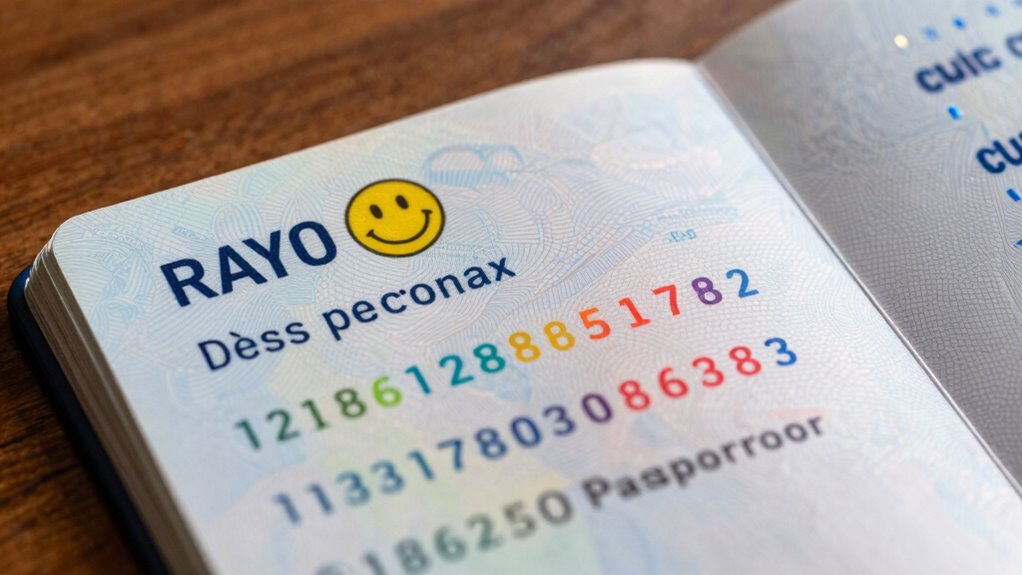

You can’t usually include emojis, symbols, or complex characters in your legal name because government agencies require names to be clear, standard, and easy to verify. Most official records restrict the use of unusual symbols or numerals that could cause confusion or complicate identification. While cultural practices might embrace unique naming methods informally, they often aren’t accepted legally. If you stay curious, you’ll discover the specific rules and how you might navigate name changes involving symbols.
Key Takeaways
- Most jurisdictions prohibit emojis, symbols, or complex characters in official legal names.
- Legal name registration requires names to use standard alphabetic characters for clarity.
- Including emojis or symbols in legal names typically requires a court petition or special approval.
- Official documents prioritize simplicity and standardization, limiting the use of non-traditional characters.
- Cultural expressions with symbols are generally accepted informally but are not recognized legally.

Have you ever wondered whether you can legally include emojis, numerals, or symbols in your name? It’s a question that touches on both cultural naming customs and legal name registration processes. In many parts of the world, naming conventions are deeply rooted in tradition, history, and societal norms. Some cultures, for example, incorporate symbols, characters, or numerals into personal names as part of their heritage. These practices are often accepted locally and can be considered an essential expression of identity. However, when it comes to legal registration, the rules become much stricter. Governments and official agencies typically have guidelines that specify what characters are permissible for a legal name.
In most jurisdictions, the legal name registration process is designed to maintain clarity, security, and uniformity in official records. This process often restricts the use of emojis, symbols, or unusual characters because they can complicate identification, database management, and communication. For instance, including a smiley face or a star in your name might be visually appealing or culturally significant to you, but it can pose challenges for government agencies, banks, and other institutions involved in verification and record-keeping. These entities usually require names to be entered using standard alphabets and characters recognized internationally, such as Latin or Cyrillic scripts. Legal name standards aim to ensure consistency and prevent potential issues in official documentation.
While some countries have started to relax their rules, allowing limited special characters or accents, the inclusion of emojis or complex symbols remains largely unacceptable in official documents like birth certificates, passports, or driver’s licenses. To legally change your name to include symbols or numerals, you typically have to go through a formal court process, which may involve providing a compelling reason and demonstrating that the name change will not cause confusion or fraud. Even then, the outcome depends on local laws and the discretion of the authorities handling the case. Additionally, name registration standards often emphasize simplicity and standardization to ensure smooth processing and recognition across various systems.
Most official documents do not accept emojis or complex symbols in names.
Understanding the distinction between cultural customs and legal standards is essential. If your cultural background involves unique characters or symbols, you might be able to incorporate them in informal contexts or social settings. But for official purposes, following the legal name registration process and adhering to the character restrictions is essential. So, before you dream up a name packed with emojis or symbols, check your local regulations. Most importantly, remember that legal names aim for clarity and consistency, not creativity or cultural expression.

Nevada Court Form User Guide: How to Change Your Legal Name : DIY Guide for Court Forms, Filing, and Publication Requirements (No Lawyer Needed)
As an affiliate, we earn on qualifying purchases.
As an affiliate, we earn on qualifying purchases.
Frequently Asked Questions
Are There Any Countries That Allow Emoji Names Officially?
No countries officially allow emoji names due to strict digital identity regulations and traditional cultural naming conventions. While some individuals have used emojis informally or on social media, legal systems prioritize clarity and consistency, making emojis impractical for official documents. Countries maintain these standards to guarantee proper identification, and cultural naming conventions often emphasize meaningful, traditional names over symbols or emojis.
How Do Courts Handle Disputes Over Non-Traditional Names?
Courts generally prioritize legal name validity, often rejecting non-traditional names that defy cultural naming customs. When disputes arise, they examine whether the name complies with legal standards and if it serves the person’s identity and cultural expression. You might find courts more lenient if the name reflects cultural traditions, but they typically deny names with emojis, numerals, or symbols that hinder official identification or cause confusion, prioritizing clarity and consistency.
Can a Legal Name Contain Both Symbols and Numerals?
Your legal name can’t typically contain both symbols and numerals, as courts see creative naming as a double-edged sword. They often face legal challenges when names push the boundaries of traditional standards, like including emojis or unusual characters. While some jurisdictions might allow limited numerals, symbols usually get the boot, because they complicate official documents. Think of it like trying to fit a square peg into a round hole—challenging and unlikely to succeed legally.
What Documentation Is Needed to Register a Name With Symbols?
To register a name with symbols, you’ll need to provide documentation showing your adherence to creative naming conventions or cultural naming practices. Typically, this includes a court petition or legal declaration explaining the significance of the symbols, along with supporting evidence like cultural documents or affidavits. Check your local jurisdiction’s requirements, as rules vary, and some places may have strict limitations on symbols in legal names.
Are There Age Restrictions for Choosing a Name With Emojis or Symbols?
You generally aren’t restricted by age when choosing a name with emojis or symbols, but it depends on local laws. Some jurisdictions may consider cultural naming conventions or historical name changes, which influence acceptance. Younger or older individuals can usually select such names if they meet legal requirements, but you might need to provide additional documentation or explanations, especially if the name differs markedly from traditional naming standards.
standard alphabet name verification tools
As an affiliate, we earn on qualifying purchases.
As an affiliate, we earn on qualifying purchases.
Conclusion
In the end, you see, legal names serve to identify, to formalize, and to authenticate. Emojis, numerals, or symbols may seem creative, but they often conflict with these goals. You must consider the rules, respect the standards, and understand the limitations. Because a name isn’t just a label; it’s your identity, your record, your legal existence. So, guarantee your name aligns with the law, reflects your true self, and upholds the integrity of official recognition.
official document name validation software
As an affiliate, we earn on qualifying purchases.
As an affiliate, we earn on qualifying purchases.
name registration legal compliance guide
As an affiliate, we earn on qualifying purchases.
As an affiliate, we earn on qualifying purchases.