
TL;DR

Prime made for students and young adults
- Fast, free delivery for dorm and study essentials
- Prime Video and Amazon Music included
- Member-only deals
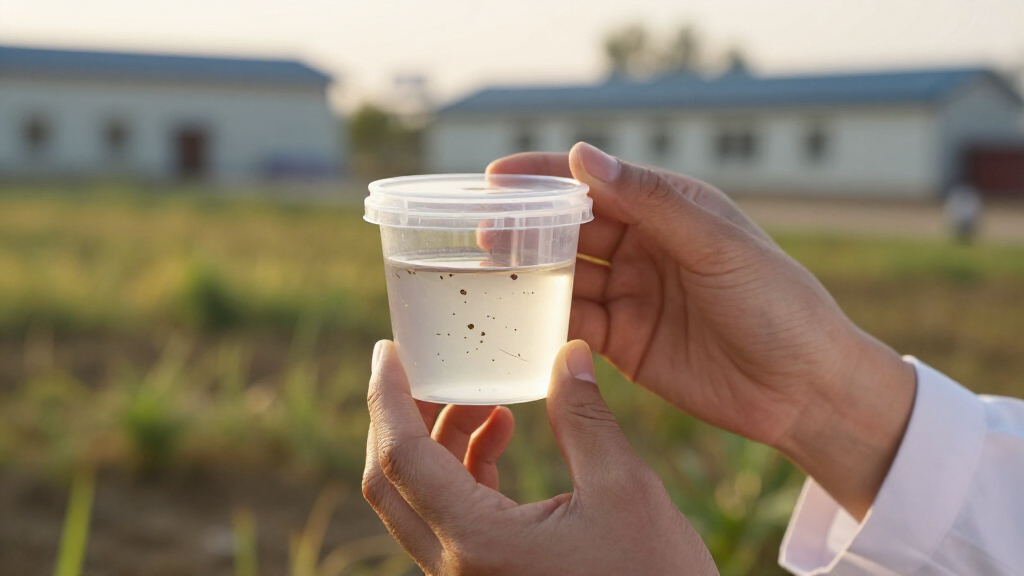
Washington DC is releasing thousands of mosquitoes as part of a scientific study aimed at controlling disease-carrying populations. The experiment is confirmed and ongoing, with officials seeking to assess its effectiveness.
Washington DC is currently conducting a scientific experiment involving the release of thousands of mosquitoes into specific areas of the city, confirmed by local officials. The purpose is to evaluate new mosquito control methods aimed at reducing populations of disease-carrying insects, such as those transmitting Zika, dengue, and West Nile virus. This initiative has sparked public interest and concern, making it a significant development in urban pest management.
According to the DC Department of Health, approximately 20,000 sterile or genetically modified mosquitoes are being released in targeted neighborhoods. The releases are part of a pilot program designed to test the effectiveness of biological control techniques, including the use of genetically modified mosquitoes that cannot reproduce. The program aims to reduce the overall mosquito population and the risk of mosquito-borne diseases in the city.
Local authorities have stated that the mosquitoes being released are non-biting and pose no threat to humans. The initiative is being carried out in collaboration with scientific researchers and mosquito control specialists, with oversight from federal health agencies. The releases are scheduled to continue over several weeks, with monitoring efforts to assess impact and safety.
Implications of Mosquito Release for Public Health and Safety
This experiment is significant because it represents a proactive approach to controlling mosquito-borne illnesses in urban environments. If successful, it could lead to more sustainable, targeted mosquito management strategies that reduce reliance on chemical pesticides. For residents, the initiative raises questions about safety, environmental impact, and the effectiveness of biological control methods, emphasizing the importance of transparent communication and scientific oversight.
Popular right now

KitchenAid Artisan 5-Qt Tilt-Head Stand Mixer – Dried Rose (KSM150PS)

Bose QuietComfort Wireless Earbuds with Active Noise Cancellation, Dewdrop Mint

Samsung 75-Inch M80H Series Mini LED 4K Smart TV (2026)
As an affiliate, we earn on qualifying purchases.
Background on Mosquito Control Strategies in Urban Areas
Urban areas like Washington DC have long grappled with mosquito populations that carry diseases such as West Nile virus and Zika. Traditional control methods include insecticide spraying, which can have environmental and health concerns. Recent advances involve genetic modification and sterile insect techniques, which aim to suppress mosquito populations without chemical use. The current release program is part of a broader trend toward innovative, science-based pest management in cities.
“The mosquitoes we are releasing are sterile or genetically modified and pose no threat to humans or the environment.”
— DC Department of Health spokesperson
Unanswered Questions About Long-Term Effects and Public Impact
It is not yet clear how effective the mosquito releases will be in reducing disease transmission over the long term. The environmental impact of releasing genetically modified or sterile mosquitoes is still under assessment, and public opinions remain divided. Authorities have not yet provided detailed data on potential ecological effects or how the community will be involved in ongoing monitoring.
Next Steps for Monitoring and Public Communication
The city plans to continue releasing mosquitoes over the coming weeks while conducting ongoing monitoring of mosquito populations and disease incidence. Results from this pilot are expected to inform future urban pest management policies. Authorities have also committed to transparent communication with residents and will provide updates on the program’s safety and effectiveness as data becomes available.
Key Questions
Are the mosquitoes being released harmful to humans?
No, the mosquitoes are either sterile or genetically modified to prevent reproduction and do not bite humans. They pose no health risk.
Why is Washington DC conducting this mosquito release?
The goal is to evaluate new, environmentally friendly methods of controlling mosquito populations and reducing disease risk in urban areas.
How long will the mosquito releases continue?
The releases are scheduled to last several weeks, with ongoing monitoring to assess their impact and safety.
What are the potential environmental impacts?
While considered safe by officials, the long-term ecological effects of releasing genetically modified or sterile mosquitoes are still being studied and are not fully known.
Will residents be involved or informed about the results?
Yes, authorities have promised transparent communication and will share findings and updates with the public as the project progresses.
Source: local