Breton names reflect centuries of Celtic heritage, maritime history, and the region’s stunning landscapes. Many names, like Gwenaëlle or Yann, connect to ancient legends and natural elements, emphasizing the region’s cultural resilience. Modern choices often blend tradition with originality, inspired by coastal scenery and mythology. If you want to discover how these names symbolize Brittany’s identity through history and nature, there’s plenty more to explore below.

Prime made for students and young adults
- Fast, free delivery for dorm and study essentials
- Prime Video and Amazon Music included
- Member-only deals
Key Takeaways
- Breton names often have Celtic origins, reflecting Brittany’s deep historical and cultural connection to land and sea.
- Coastal and natural landscape features influence modern Breton names, emphasizing regional geography and scenic beauty.
- Names like Gwenaëlle and Yann preserve Celtic legends, showcasing Brittany’s rich mythological heritage.
- Contemporary trends blend tradition with originality through unique spellings and regional mythology-inspired names.
- Breton names serve as living stories, evolving while maintaining cultural resilience and regional identity.
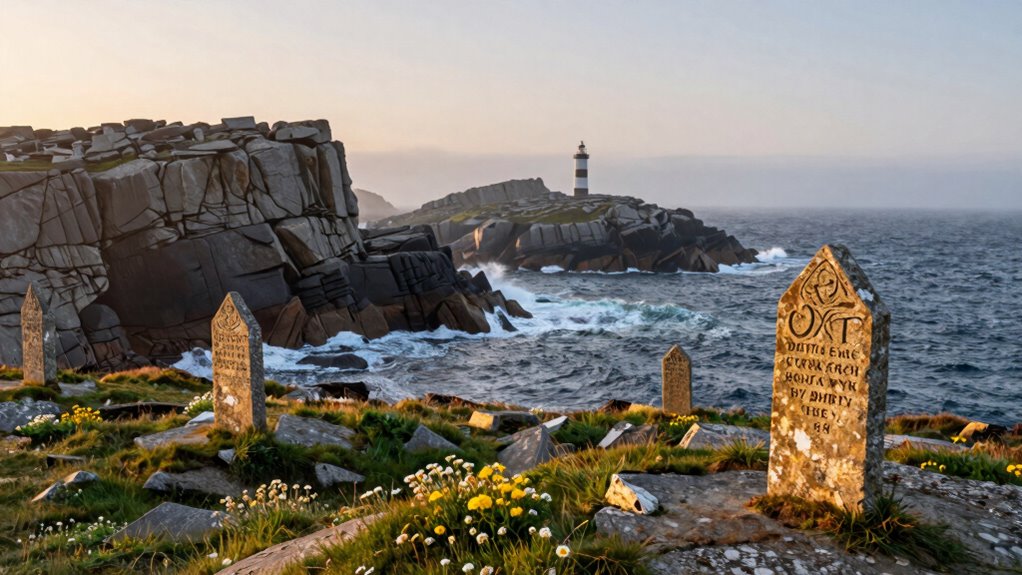
Have you ever wondered how Breton names echo the rich history and rugged beauty of its coastline? These names are more than just labels; they’re living stories rooted in centuries of cultural evolution. The historical origins of Breton names reveal a deep connection to the land, sea, and the people who have called this region home. Many names trace back to Celtic roots, reflecting ancient traditions that have persisted through invasions, wars, and social changes. For instance, names like Gwenaëlle and Yann carry echoes of Celtic gods and legends, revealing the region’s deep cultural ties. Over time, these names have evolved, blending influences from Latin, French, and other European languages, yet they retain a distinctive Breton flavor. This blending showcases how history has shaped the naming landscape—an ongoing dialogue between tradition and change. Additionally, some names are inspired by regional linguistic evolution, illustrating how language has transformed while maintaining cultural identity. Recognizing the Celtic linguistic roots of many names helps to appreciate their enduring significance and the region’s unique heritage. Furthermore, the preservation of these regional dialects allows for a deeper understanding of the cultural and linguistic diversity within Brittany. In the present day, modern naming trends in Brittany show a fascinating mix of reverence for tradition and a desire for originality. Many parents choose names inspired by the region’s natural landscape—like Morvan, meaning “sea hill,” or Gwen, meaning “white” or “blessed”—to honor coastal beauty and local geography. You’ll also see an increasing popularity of names inspired by Breton mythology or historical figures, such as Erwan or Maëlle. These modern choices often aim to preserve cultural identity while embracing contemporary tastes. Some parents prefer unique spellings or combinations, creating new names rooted in tradition but tailored for today’s world. This trend reflects a broader desire to connect with regional heritage while standing out in a globalized society.
As an affiliate, we earn on qualifying purchases.
Frequently Asked Questions
How Are Breton Names Traditionally Chosen for Children?
You typically choose Breton names for children based on traditional Breton naming customs and coastal naming traditions. Many parents select names inspired by local saints, nature, or historical figures, reflecting the region’s rich cultural heritage. Sometimes, family or community influences play a role, honoring ancestors or local legends. Coastal naming traditions also inspire names linked to the sea, boats, or maritime landmarks, helping preserve a strong sense of regional identity.
What Are Common Misconceptions About Breton Coastal Regions?
You might think Breton coastal regions are just picturesque villages, but mythical sea creatures often fuel romanticized stories that overlook harsh realities like coastal erosion. Many believe the coast is untouched and eternal, yet it’s constantly changing and vulnerable. This misconception masks the fragile beauty and ongoing environmental challenges. Instead of illusions, recognize the dynamic coastline, where history, nature, and legend intertwine, shaping a resilient yet vulnerable landscape.
How Do Breton Names Influence Local Culture and Identity?
Breton names deeply influence your local culture and identity by preserving coastal heritage and fostering a sense of community. As you see Breton language revitalization efforts, these names symbolize resilience and pride, connecting you to centuries of coastal traditions. They remind you of the region’s unique history, enriching cultural celebrations and daily life, and ensuring coastal heritage preservation remains central to your identity and the area’s ongoing cultural revival.
Are There Specific Festivals Celebrating Breton Coastal Heritage?
Yes, you can experience coastal folklore festivals in Brittany that celebrate its rich heritage. During these events, locals showcase traditional Breton cuisine, lively dances, and music inspired by the sea. These festivals often highlight coastal traditions, blending history with contemporary celebrations. You’ll get an authentic taste of Breton culture, with performances and foods that honor the region’s maritime roots, making your visit truly memorable.
How Has Modern Tourism Impacted Traditional Breton Coastal Communities?
You see, modern tourism is like a double-edged sword slicing through Breton coastal communities. While it brings vibrant visitors and economic growth, it often threatens the delicate balance of tradition. You can help by promoting sustainable tourism practices and supporting efforts to preserve local dialects, ensuring the unique charm and culture of Brittany’s coast remain alive and authentic. This way, the waves of change don’t wash away what makes it special.
As an affiliate, we earn on qualifying purchases.
Conclusion
As you explore Breton names and coastal meanings, you’re like a modern-day sailor charting a course through rich history and vibrant culture. Each name, much like a lighthouse, guides you to stories of the sea and land that shaped this unique region. Embrace these words as your compass, and you’ll find yourself steering through the enchanting tapestry of Brittany with a deeper sense of connection, just as the tides are drawn to the moon’s gentle pull.
As an affiliate, we earn on qualifying purchases.
As an affiliate, we earn on qualifying purchases.
Columbus Day / Indigenous Peoples' Day Picks
long weekend sales
As an affiliate, we earn on qualifying purchases.