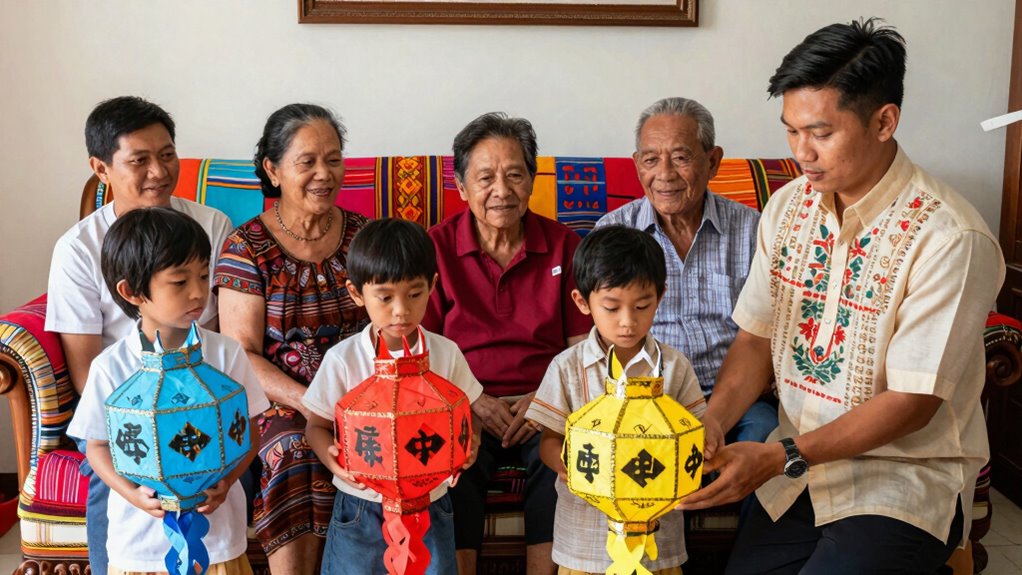

Understanding Filipino names involves recognizing their deep cultural, religious, and familial layers. You’ll see names inspired by saints, ancestors, and history, often with multiple given names and a middle name honoring the mother’s maiden name. Nicknames add warmth, while the overall naming system reflects respect and heritage. These practices blend tradition and modernity, giving names rich significance. If you keep exploring, you’ll uncover even more about the stories and traditions behind each name.

Prime made for students and young adults
- Fast, free delivery for dorm and study essentials
- Prime Video and Amazon Music included
- Member-only deals
Key Takeaways
- Filipino names often include given names, middle names honoring the mother’s maiden name, and surnames reflecting family or ancestral ties.
- Middle names highlight matrilineal customs and reinforce family heritage.
- Names frequently incorporate religious elements, especially Catholic saints, reflecting cultural and spiritual values.
- Nicknames or diminutives are used affectionately, strengthening familial bonds.
- Naming practices blend traditional customs with modern influences, preserving cultural identity.
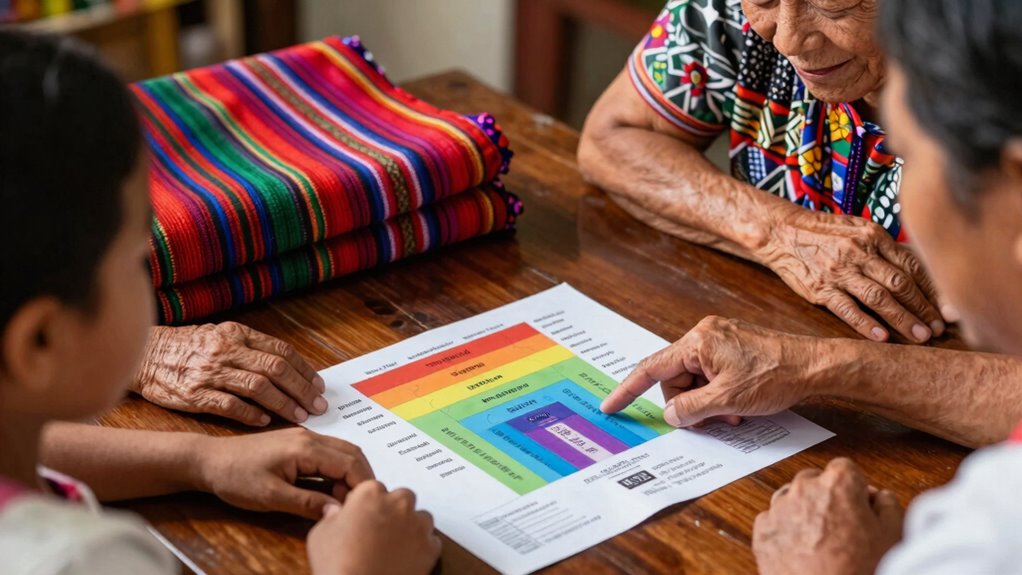
Filipino names are rich in history, culture, and meaning, reflecting the country’s diverse heritage. As you explore Filipino naming practices, you’ll notice how deeply these names embody cultural significance and follow unique naming traditions that have been handed down through generations. Understanding these layers helps you appreciate the thoughtfulness behind each name and the stories they carry.
In Filipino culture, names are more than just identifiers; they serve as a link to family history, religious beliefs, and cultural values. Naming traditions often include honoring ancestors, saints, or important figures, creating a sense of continuity and respect for the past. For example, it’s common to see children named after saints from Catholic traditions, reflecting the country’s religious influence. These names are chosen with care, often accompanied by specific rituals or blessings, emphasizing their cultural significance. You might also notice that some families pass down names from grandparents or other relatives, reinforcing family bonds and heritage across generations. This practice highlights the importance placed on lineage and collective memory in Filipino society.
The naming process itself often involves layers of meaning. Filipino names typically consist of a given name, a middle name, and a surname. The middle name usually honors the mother’s maiden name, which underscores the matrilineal aspect of Filipino naming customs. This layering of names isn’t just about identification; it’s a reflection of familial ties and social identity. You’ll also find that many Filipinos have nicknames or diminutives derived from their full names, which are used affectionately within families and communities. These smaller names add warmth and familiarity, reinforcing close-knit relationships. Moreover, these naming layers often serve to preserve cultural identity, especially in multicultural societies. Recognizing the cultural significance embedded in Filipino names helps deepen your understanding of their importance beyond mere labels.
Another interesting aspect is the influence of Spanish colonization, which introduced naming conventions like using multiple given names and the practice of incorporating religious titles. These traditions have persisted, giving Filipino names a distinctive character rooted in history. Despite modern influences, many families continue to uphold traditional naming customs, blending old and new practices. This blend maintains the cultural significance of names while adapting to contemporary life.
Additionally, the religious significance of names often guides the choice of names, emphasizing the deep connection between faith and identity in Filipino culture. In essence, Filipino names are layered symbols of identity, history, and cultural pride. They serve as more than labels; they’re living testaments to a rich heritage. By understanding these naming layers and traditions, you gain a deeper appreciation for the stories behind each name, recognizing how they connect individuals to their families, faith, and culture.
As an affiliate, we earn on qualifying purchases.
Frequently Asked Questions
How Are Filipino Surnames Traditionally Chosen or Assigned?
You’ll find that Filipino surnames are traditionally chosen based on cultural significance and historical influences, often reflecting family history, occupation, or local geography. Many surnames were derived from Spanish colonizers, showcasing colonial history, while others come from indigenous roots. Families may also adopt surnames to honor ancestors or cultural symbols, emphasizing the importance of heritage. This combination of factors creates a rich naming tradition that connects individuals to their history and community.
What Are Common Middle Names Used in Filipino Naming Conventions?
Common middle names in Filipino naming conventions often include meaningful monikers like Maria, Lourdes, or Jose. You’ll notice that traditional naming ceremonies favor these familiar, family-focused choices, emphasizing heritage. However, modern preferences lean toward unique, trendy names or initials. You might see parents blending cultural pride with contemporary taste, creating a charming charm that captures both tradition and modernity in a middle name, making it memorable and meaningful.
How Do Filipino Naming Practices Differ Across Regions?
You’ll notice regional naming customs in the Philippines vary considerably, influenced by dialectal differences and local traditions. In some regions, names are rooted in indigenous languages, while others follow Spanish or American naming patterns. For example, in Mindanao, local dialects shape unique names, whereas in Luzon, Spanish-influenced names prevail. These regional differences reflect the diverse cultural landscape, making Filipino naming practices rich and varied across the country.
Are There Specific Rules for Naming Children After Relatives?
Imagine a family tree as a radiant sun, with each name a shining ray. Filipino traditional naming customs often honor relatives by passing down names, reflecting deep respect and cultural influences on names. You might find children named after grandparents or ancestors, reinforcing bonds across generations. While there are no strict rules, this practice celebrates lineage, blending history and identity into a beautiful tapestry that keeps family stories alive through generations.
How Has Modern Culture Influenced Filipino Naming Trends?
Modern culture has profoundly influenced Filipino naming trends by blending traditional practices with global influences, reflecting changing cultural identities. You might notice more diverse names inspired by Western pop culture, celebrities, or international trends, which demonstrate globalization impacts. These shifts allow you to express personal identity while honoring Filipino heritage. As a result, naming conventions become more eclectic, showcasing a dynamic cultural landscape that balances tradition with modernity.
As an affiliate, we earn on qualifying purchases.
Conclusion
So there you have it—your crash course in Filipino names, a delightful mix of history, family pride, and a dash of confusion. Next time you meet someone with a long, complicated name, just remember: it’s not chaos, it’s a living, breathing family saga, sprinkled with a pinch of satire and a whole lot of love. Embrace the layers, because behind every name is a story worth telling—and probably long enough to keep you entertained for a lifetime.
As an affiliate, we earn on qualifying purchases.
As an affiliate, we earn on qualifying purchases.
Fall Picks
fall essentials
As an affiliate, we earn on qualifying purchases.