
In 2024, Japan’s baby name trends combine traditional kanji with modern influences, creating meaningful and unique options. You’ll see a rise in gender-neutral names inspired by nature, regional customs, and pop culture, especially from anime and viral media. Classic names are making a comeback, reflecting cultural pride. If you keep exploring, you’ll discover how these trends shape Japan’s evolving naming landscape and the new inspirations behind them.
Key Takeaways
- Names inspired by pop culture, anime, and international celebrities are increasingly popular in Japan in 2024.
- Parents favor meaningful kanji combinations that reflect virtues, hopes, and cultural heritage.
- Traditional, vintage, and classic names are experiencing a revival, emphasizing cultural pride and nostalgia.
- Gender-neutral names like Haru and Sora are trending, reflecting evolving attitudes toward gender identity.
- Regional influences and dialects shape naming patterns, highlighting local customs and cultural identities.
Emerging Popular Kanji Combinations for 2024
As parents continue to seek meaningful and distinctive names for their babies, certain kanji combinations are gaining popularity for 2024. You’ll notice that kanji combination creativity plays a key role, as parents blend characters to craft unique meanings. This trend reflects modern naming innovation, where traditional kanji are combined in new ways to create fresh, personalized names. In 2024, names often feature kanji representing qualities like strength, beauty, or hope, combined in inventive ways that stand out. Rather than sticking to classic pairings, parents are exploring innovative kanji combinations to give their children names that are both meaningful and modern. This approach allows for a wide range of expressive possibilities, making each name truly one-of-a-kind. Naming innovation continues to influence how parents choose and craft their children’s names, emphasizing individuality and creativity.
The Revival of Classic Names in Modern Japan
You might notice that many parents are choosing traditional names again, reflecting a nostalgic desire for familiarity. This trend connects them to cultural heritage and childhood memories. As a result, classic names are making a strong comeback in Japan’s modern naming landscape. Additionally, some parents are opting for vetted names that have proven popularity and cultural significance, ensuring that these names resonate well within Japanese society.
Nostalgic Naming Trends
Recently, many parents in Japan are turning back to classic names, reflecting a nostalgic longing for the past. This vintage name revival taps into childhood nostalgia, inspiring a desire for timeless simplicity and familiarity. You might notice these trends in several ways:
- Favorite names from your childhood become popular again, like Hiroshi or Yuki.
- Parents choose kanji that evoke traditional virtues or historical figures.
- Short, classic names outshine trendy, modern options.
- The trend connects generations, creating a sense of continuity and cultural pride.
- Utilizing naming conventions rooted in tradition can help guide these choices.
This nostalgic naming trend allows you to honor heritage while embracing simplicity. It’s a conscious choice to revive names that carry emotional significance, making them meaningful for both parents and children in today’s modern Japan.
Cultural Heritage Revival
The resurgence of classic Japanese names reflects a deep desire to reconnect with cultural heritage amidst modern trends. Many parents choose names inspired by traditional clothing, like kimono or hakama, to honor historical customs. This trend also ties into a renewed appreciation for culinary heritage, as names referencing traditional dishes or ingredients become popular. By selecting these names, you express a connection to Japan’s rich history and cultural identity. The revival isn’t just about nostalgia; it’s a conscious effort to preserve and celebrate the values embedded in traditional attire and cuisine. Additionally, the contrast ratio of traditional names to modern ones highlights a deliberate choice to emphasize historical significance over contemporary trends. This movement helps ensure that your child’s name carries meaning rooted in Japan’s past, fostering a sense of continuity amid rapid modernization. Ultimately, it’s a way for you to keep cultural heritage alive through naming choices.
Gender-Neutral and Unisex Name Trends
You’ll notice more parents choosing gender-neutral and unisex names for their children, reflecting changing attitudes toward gender roles. Popular choices like Haru and Sora highlight this shift and show how cultural perspectives influence naming trends. As society evolves, these names become a way to express individuality and challenge traditional norms. Additionally, understanding ethical hacking concepts can shed light on how cybersecurity measures adapt to new social norms and technological developments.
Rise in Gender-Neutral Names
Have you noticed more Japanese parents choosing gender-neutral or unisex names for their babies? This rise reflects growing gender identity awareness and shifting parental naming preferences. Here are four reasons behind this trend:
- Embracing individuality — Parents want names that highlight personality over gender.
- Breaking stereotypes — Unisex names challenge traditional gender roles.
- Global influence — Exposure to international naming trends encourages gender-neutral choices.
- Social acceptance — A more open society makes parents comfortable choosing names that don’t conform to gender norms.
- The use of gender-neutral dog names as inspiration also influences human naming trends, showcasing a broader acceptance of flexible identities.
This trend shows how gender identity awareness influences naming decisions, making parents more open to flexible, inclusive options for their children. As a result, gender-neutral names are gaining popularity across Japan.
Popular Unisex Name Choices
As more parents embrace gender-neutral naming, certain unisex names have become particularly popular in Japan. Gender neutral names in Japan are now chosen for their simplicity and modern appeal, aligning with unisex naming conventions. Names like Haru, Sora, and Aoi are widely used for both boys and girls, reflecting a shift towards flexibility and individuality. These names often carry natural or peaceful meanings, making them appealing across genders. The trend toward unisex naming conventions emphasizes personal expression over traditional gender roles, allowing children to define their identity as they grow. This movement toward gender-neutral names is reshaping Japanese baby naming practices, making them more inclusive and diverse in 2024. Cultural shifts in naming practices highlight the evolving attitudes toward gender and identity in contemporary Japan.
Cultural Shifts Influencing Trends
Cultural shifts in Japan are driving a growing acceptance of gender-neutral and unisex names, reflecting broader changes in societal attitudes toward gender roles and individual expression. You’ll notice four key factors shaping these trends:
- Changing family dynamics encourage more flexible naming choices, moving away from traditional gender-specific names.
- Urbanization fosters a diverse environment that values personal identity over societal expectations.
- Younger parents seek names that transcend gender, promoting inclusivity and modern values.
- Increased exposure to global cultures normalizes unisex names, making them more appealing across Japan.
- The shift toward gender inclusivity in various aspects of society further supports the adoption of unisex naming practices.
These shifts show how societal progress influences naming practices, making gender-neutral options a natural part of Japan’s evolving cultural landscape.
Influence of Pop Culture and Media on Baby Names
Ever wonder how the latest movies, TV shows, and celebrities shape the names parents choose for their babies? Pop culture is a powerful influence in Japan, especially with the K pop craze and popular anime characters. You might notice more babies named after favorite stars or characters, reflecting current trends. For example, K pop influence often leads to names inspired by idols, while anime character names become popular for their uniqueness and cultural significance. Here’s a quick look at how these trends appear:
| Influence Type | Example Names | Origin |
|---|---|---|
| K pop influence | Haruto, Yuna | Popular idols’ names |
| Anime character names | Sakura, Ren | Favorite fictional characters |
| Celebrity influence | Hana, Sora | Famous actors or singers |
| Media trends | Luna, Kai | Viral movies or shows |
| Traditional fusion | Aoi, Mei | Modern twist on classic names |
Additionally, media exposure plays a significant role in amplifying these naming trends, making them more widespread among new parents.
Incorporating Nature and Traditional Symbols
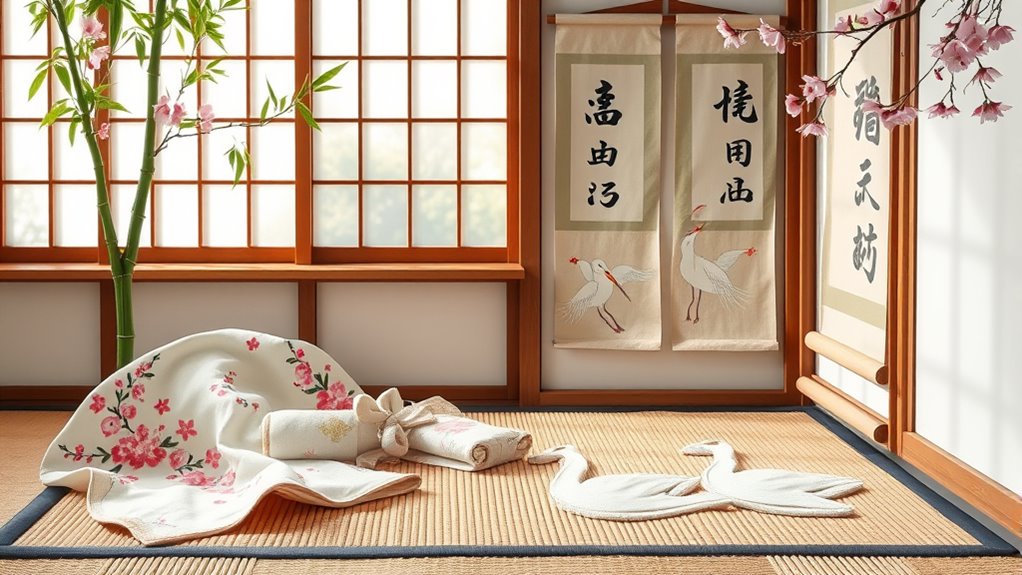
In Japan, many parents choose baby names that incorporate elements from nature and traditional symbols to honor cultural heritage and convey meaningful qualities. This trend often involves:
- Using nature-inspired symbolism like cherry blossoms, waves, or mountains to evoke beauty and resilience.
- Integrating traditional kanji that represent virtues such as strength, purity, or harmony.
- Combining kanji characters carefully to reflect specific qualities or hopes for the child’s future.
- Choosing names that connect with seasonal or regional symbols, emphasizing cultural roots.
- Many of these names are crafted with thoughtful kanji combinations to ensure they carry the desired cultural and personal significance.
These naming choices highlight a desire to preserve tradition while expressing personal values. By blending nature inspired symbolism with traditional kanji integration, parents create names rich in cultural significance and emotional meaning.
Regional Variations and Local Naming Preferences
Regional differences play a significant role in shaping Japanese baby names, with local traditions and dialects influencing parents’ choices. Regional dialect influences often lead to variations in pronunciation and kanji selection, reflecting local culture. You’ll notice that certain names are popular in specific areas because they resonate with local customs or dialectal sounds. Similarly, local surname preferences also impact given names, as families tend to incorporate regional naming patterns. For example, some regions favor names with traditional kanji tied to local history. Additionally, cultural significance often guides naming choices, ensuring that names carry meaningful connections to regional identity. Here’s a quick comparison:
| Region | Typical Name Features |
|---|---|
| Kansai | Dialect-influenced pronunciation |
| Tohoku | Surnames shaping first-name choices |
| Kyushu | Local symbols and kanji preferences |
| Kanto | Modern trends combined with tradition |
This diversity makes Japan’s naming landscape rich and locally unique.
The Impact of Social Media and Globalization on Naming Choices
Social media and globalization have profoundly influenced Japanese parents’ naming choices, introducing new trends and expanding their options beyond traditional boundaries. The social media influence exposes parents to international naming styles and unique character combinations, making diverse options more accessible. Here are four ways globalization effects shape naming trends:
- Exposure to global celebrities inspires unique name choices.
- Trends from foreign media influence pronunciation and kanji combinations.
- Online platforms facilitate sharing and discovering international names.
- Cultural exchange broadens preferences, blending traditional and modern styles.
You now see how social media influence and globalization effects reshape naming patterns, encouraging creativity and diversity. Parents feel more empowered to choose names that reflect global trends while maintaining cultural roots, leading to a more dynamic naming landscape in Japan.
Frequently Asked Questions
How Do Parents Choose Unique Kanji Combinations for Their Babies?
You choose unique kanji combinations for your baby by exploring creative kanji that carry special meanings. You consider how each character reflects your hopes and values, making parental meaning choices that feel personal. You might mix traditional and modern kanji or invent new combinations, aiming for a name that stands out yet resonates deeply. This process allows you to craft a distinctive name that embodies your love and aspirations for your child.
Are There Any New Naming Laws Affecting Japanese Baby Names in 2024?
Ever wondered if new rules shape your baby’s name? In 2024, Japan’s government has introduced updated legal restrictions and regulations to make sure names are appropriate and recognizable. These laws aim to prevent overly complex or unusual characters, making it easier for official documentation. So, you’ll find that your options are now more streamlined, giving you guidance while still allowing personal expression within the bounds of government regulations.
What Influences Regional Differences in Baby Naming Preferences Across Japan?
You’ll notice regional dialects and local customs heavily influence baby naming preferences across Japan. In rural areas, traditional names rooted in local dialects often prevail, reflecting community values. Conversely, urban regions tend to favor modern or internationally inspired names, influenced by broader cultural trends. These regional differences showcase Japan’s diverse cultural landscape, where local language nuances and customs shape the names parents choose for their children.
How Do International Trends Impact Japanese Baby Names Today?
You see international trends shaping Japanese baby names today through global pop culture and social media influence. Popular TV shows, movies, and celebrities from abroad inspire parents to choose unique or trendy names. Social media platforms amplify these influences, making new naming ideas go viral quickly. As a result, traditional Japanese names blend with global styles, creating a dynamic naming landscape that reflects both local culture and worldwide trends.
Are Traditional Naming Ceremonies Still Common in Modern Japanese Culture?
Traditional naming ceremonies are still quite common in modern Japanese culture, though they’ve adapted over time. You’ll find many families valuing the cultural significance of these rituals, often incorporating modern adaptations like personalized ceremonies or simplified practices. These events remain meaningful, symbolizing respect for heritage while embracing contemporary life. They help connect new generations with their cultural roots, ensuring that traditional values stay alive amidst modern influences.
Conclusion
As you explore Japan’s baby name trends in 2024, you’ll notice a fascinating fusion of tradition and trend. Names blend bold, beautiful kanji with modern, gender-neutral choices, shaped by pop culture and social media. This dynamic dance of design and diversity reflects Japan’s evolving identity. Embrace the energy of emerging expressions and the enduring essence of classic charisma—because in Japan, naming is a vibrant voyage of values, vision, and voices.