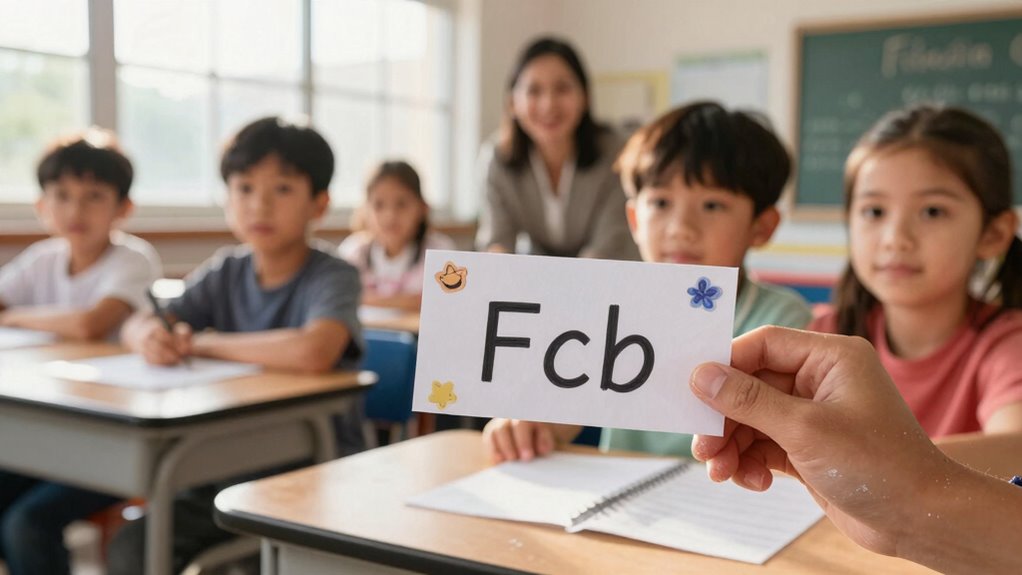

Some parents choose alternate spellings for their children’s names to reduce confusion and avoid constant corrections. Unique spellings can make names easier to pronounce and spell, which helps children feel confident and included. These variations also honor cultural roots and promote diversity, making names more accessible across different environments. By choosing a different spelling, parents aim to create smoother social interactions and give their child a sense of individuality—if you’re curious, discover more about how this impacts identity and culture.

Prime made for students and young adults
- Fast, free delivery for dorm and study essentials
- Prime Video and Amazon Music included
- Member-only deals
Key Takeaways
- To prevent misspellings and mispronunciations that cause frustration for children and others.
- To ensure names are phonetically clear and easily recognizable across different cultures.
- To promote cultural identity while making names more accessible in diverse environments.
- To boost a child’s confidence by ensuring correct pronunciation and reducing social embarrassment.
- To simplify communication and reduce recurring misunderstandings in social and professional settings.
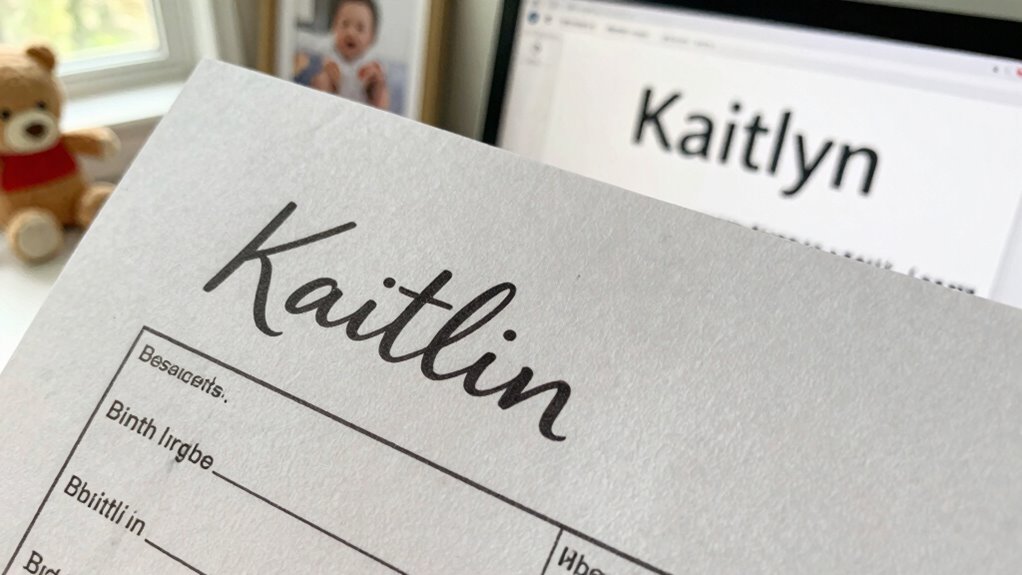
When parents pick alternative spellings for their children’s names, they’re often trying to avoid the everyday frustrations that come with traditional spellings. They know that common names can lead to constant misspellings, mispronunciations, and misunderstandings, which can be frustrating for both the child and those they interact with. By choosing a unique spelling, parents aim to give their child a name that’s easier to pronounce and spell, reducing the need for repeated corrections and explanations. This choice also reflects a desire for phonetic clarity—ensuring the name sounds exactly as it’s spelled, so there’s no confusion about pronunciation. When a name is spelled in a conventional way, people might stumble over it, especially if it’s uncommon or has multiple pronunciation options. Altering the spelling helps establish a clear, consistent way for others to read and say the name correctly from the start.
Beyond phonetics, many parents consider cultural identity when choosing alternative spellings. Names often carry deep cultural or familial significance, and adjusting the spelling can be a way to honor heritage while making the name more accessible in a different cultural context. For example, a name rooted in a specific language or tradition might be spelled differently to fit better into a different society or to make it easier for people unfamiliar with that culture to understand and pronounce. This balancing act allows parents to preserve their cultural identity while also adapting to the practicalities of everyday life in a multicultural environment. It’s a way to maintain a connection to their roots while also promoting cultural diversity in their community. Additionally, understanding the importance of biodiversity and cultural diversity can inspire parents to choose spellings that celebrate their unique background while fostering inclusivity. A thoughtful spelling can also serve as a means of cultural expression and pride. Furthermore, these choices can reflect a broader desire to promote linguistic diversity and support the recognition of different language systems. Recognizing the impact of name pronunciation on social integration may also influence parents’ decisions, as it can significantly affect a child’s confidence and sense of belonging. Choosing an alternative spelling is also about empowering the child with a sense of uniqueness and individuality. It signals that their name, and by extension their identity, is special. At the same time, it reduces friction in social settings, schools, and workplaces, where mispronunciations or misspellings can lead to feelings of alienation or frustration. When you opt for a different spelling, you’re making a conscious effort to streamline communication, making your child’s name a source of pride rather than a recurring hassle. Such choices reflect an understanding that names are more than just labels—they’re a vital part of personal identity and cultural expression. Ultimately, these alternative spellings aim to make life smoother, promoting clarity, cultural respect, and individuality all at once.
As an affiliate, we earn on qualifying purchases.
Frequently Asked Questions
How Do Alternate Spellings Affect a Child’s Future Job Prospects?
Alternate spellings can impact your child’s future job prospects by affecting resume readability, making it harder for employers to quickly process their name. This may lead to perception challenges, as employers might view unusual spellings as unprofessional or distracting. While some hiring managers overlook these details, others might see them as a sign of non-conformity, potentially influencing their perception and decision-making during the hiring process.
Are There Cultural Considerations Behind Choosing Unique Spellings?
You might not realize it, but about 70% of parents choose unique spellings to reflect cultural identity and honor naming traditions. These choices often carry deep cultural significance, helping children connect with their heritage. When you select a unique spelling, you’re preserving cultural roots and making a statement of individuality. Such naming decisions can foster pride and cultural awareness, shaping your child’s sense of identity in a diverse world.
How Do Teachers Typically Respond to Unusual Spellings in the Classroom?
Teachers usually approach unusual spellings with patience, recognizing the importance of spelling pronunciation and classroom diversity. They understand that unique spellings reflect cultural backgrounds and personal choices, so they encourage students to share their names confidently. Teachers often use tools like pronunciation guides or repetition exercises to help students and classmates adapt. This inclusive approach fosters respect and understanding, ensuring every student feels valued despite the diversity of spellings.
Do Alternate Spellings Impact a Child’s Self-Identity or Confidence?
Alternate spellings are like a unique fingerprint, shaping your child’s self-esteem effects and peer acceptance. They can boost confidence if the child feels special, but might also cause moments of doubt or teasing. Over time, your child learns to embrace their name’s individuality, which can foster a strong sense of identity. Ultimately, how your child perceives their name influences their confidence and acceptance among peers.
Are There Legal Implications for Unconventional Name Spellings?
Yes, there can be legal implications for unconventional name spellings. You need legal recognition for your child’s name during registration, which may be challenging if the spelling is too unique or non-standard. Some jurisdictions have strict rules about name registration and may reject unusual spellings, causing delays or requiring legal action to validate the name. Always verify local laws to confirm your child’s name complies with legal requirements.
As an affiliate, we earn on qualifying purchases.
Conclusion
By choosing alternate spellings, you aim to smooth your child’s journey through life, avoiding constant mispronunciations or corrections. Imagine naming your child “Kaylee” instead of “Kayleigh”—a simple change that might prevent daily frustrations. It’s a way to give your kid a unique identity while reducing potential social friction. Ultimately, these spelling choices reflect your desire to protect your child from unnecessary challenges and help them feel confident from the start.
name pronunciation aid for children
As an affiliate, we earn on qualifying purchases.
As an affiliate, we earn on qualifying purchases.
As an affiliate, we earn on qualifying purchases.
Columbus Day / Indigenous Peoples' Day Picks
long weekend sales
As an affiliate, we earn on qualifying purchases.