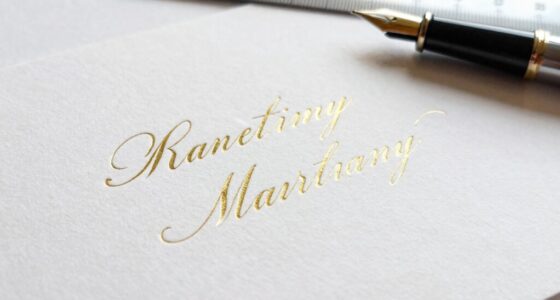

Repeatedly mispronouncing your name can chip away at your confidence and make you feel invisible or misunderstood over time. It sends a message that your cultural identity isn’t valued, which may cause frustration and self-doubt. You might start questioning your belonging or hide parts of your identity. But by understanding why your name matters and addressing mispronunciations confidently, you can reclaim your confidence and foster respect. If you want to explore this further, there’s more to discover.

Prime made for students and young adults
- Fast, free delivery for dorm and study essentials
- Prime Video and Amazon Music included
- Member-only deals
Key Takeaways
- Repeated mispronunciations can erode self-confidence by undermining personal identity and cultural significance.
- Constant correction or correction failures may lead to feelings of frustration, invisibility, or social exclusion.
- Persistent mispronunciations can cause individuals to internalize negative perceptions about their worth or belonging.
- Avoidance of social situations due to name mispronunciations can reduce opportunities for authentic connection and self-assurance.
- Addressing mispronunciations confidently and educating others can restore self-esteem and reinforce cultural pride.

When your name is consistently mispronounced, it can quietly chip away at your confidence over time. You might start to feel like your identity isn’t fully recognized or valued, which can lead to feelings of frustration or invisibility. Your name is a core part of your cultural identity, representing your heritage, background, and personal story. When others mispronounce it, it can send a subtle message that your culture isn’t understood or respected. Over time, this ongoing experience can make you question whether you belong or if you’re truly accepted in social settings.
Mispronunciations can also hinder social integration. When people struggle to pronounce your name correctly, it can create barriers to forming genuine connections. Instead of focusing on your personality or shared interests, conversations might linger on correcting your name or feeling self-conscious about how others will say it. This distraction can make social interactions feel awkward or less authentic, slowing down your ability to build rapport. As a result, you might find yourself withdrawing or avoiding situations where your name might be mispronounced, reinforcing feelings of exclusion and isolation.
You may also notice that repeated mispronunciations impact your self-esteem. When others stumble over your name, you might start to internalize their difficulty as a reflection of your worth or belonging. It’s easy to begin thinking that your name, and by extension your cultural background, is somehow less important or less significant. Over time, this can erode your confidence, making you hesitant to introduce yourself or to speak up in social or professional environments. You might even start to prefer using a nickname or anglicized version of your name just to avoid the discomfort, which can further disconnect you from your cultural roots. Recognizing the importance of cultural identity can be a powerful step toward reclaiming your self-assurance.
Additionally, understanding that cultural diversity enriches social interactions can help foster greater acceptance and respect for different names and backgrounds.
However, addressing mispronunciations can be empowering. When you correct others confidently and kindly, you assert your cultural identity and set boundaries for how you want to be perceived. It’s also a chance to educate people and foster understanding, which can lead to better social integration. Recognizing that your name is a crucial part of who you are helps you reclaim your confidence and encourages others to respect your identity. Over time, this can transform awkward moments into opportunities for connection, allowing you to feel more comfortable and authentic in social settings. Ultimately, how you handle the mispronunciations can shape your sense of self and influence your confidence, making it essential to stand firm and proud of your name and cultural identity.
As an affiliate, we earn on qualifying purchases.
Frequently Asked Questions
How Common Is Name Mispronunciation Across Different Cultures?
Name mispronunciation is quite common across different cultures due to cultural pronunciation differences and global name diversity. You might find that names from unfamiliar backgrounds are often mispronounced, especially in diverse settings or international environments. These mispronunciations happen frequently, highlighting the importance of cultural awareness. By making an effort to learn correct pronunciations, you can foster respect and confidence, both for yourself and others, despite the challenges posed by global name diversity.
What Are Effective Strategies to Correct Mispronunciations Politely?
To correct mispronunciations politely, you should gently and confidently say your name clearly, perhaps repeating it if needed. Use a friendly tone to show you’re open to correction. Practice cultural sensitivity by understanding that mispronunciations often stem from unfamiliarity, so be patient. If someone mispronounces your name, kindly correct them, fostering respectful communication. This approach helps build confidence and promotes mutual respect in diverse settings.
Does Repeated Mispronunciation Impact Mental Health Long-Term?
They say, “A little water wears away the stone,” and repeated mispronunciation can gradually erode your self-esteem. Over time, it may lead to self-esteem erosion and heighten social anxiety, impacting your mental health long-term. You might start to doubt yourself, withdraw from social interactions, or feel less confident. Addressing mispronunciations early and advocating for yourself can help protect your mental well-being and preserve your confidence.
How Can Employers Support Employees With Mispronounced Names?
You can support employees with mispronounced names by fostering cultural sensitivity and offering pronunciation training. Encourage open conversations, show respect, and ask for correct pronunciation gently. Providing resources for pronunciation training demonstrates your commitment to inclusivity. By actively listening and making an effort, you help build confidence, reduce stress, and create a welcoming environment where employees feel valued and respected for their unique identities.
Are There Psychological Differences in Confidence Among Name Mispronunciation Victims?
You might notice that victims of name mispronunciation often experience a self-esteem decline and increased social anxiety. When your name is repeatedly mispronounced, it can make you feel unseen or undervalued, leading to diminished confidence over time. This psychological impact can cause you to withdraw socially or doubt your worth, reinforcing feelings of insecurity. Recognizing these effects is essential to addressing and improving your self-image and social interactions.
name pronunciation correction tools
As an affiliate, we earn on qualifying purchases.
As an affiliate, we earn on qualifying purchases.
Conclusion
Just like Odysseus faced countless challenges on his journey, mispronouncing your name can chip away at your confidence, whispering doubts like sirens’ songs. But remember, your name is your voyage’s compass—worthy of respect and acknowledgment. Over time, persistent mispronunciation can erode self-assurance, yet reclaiming your voice can restore strength. Stand firm, true to yourself, and let your name be a lighthouse guiding others to see your worth, unshadowed by forgetfulness.
cultural name pronunciation training
As an affiliate, we earn on qualifying purchases.
As an affiliate, we earn on qualifying purchases.
confidence building speech training
As an affiliate, we earn on qualifying purchases.
As an affiliate, we earn on qualifying purchases.
Halloween Picks
halloween
As an affiliate, we earn on qualifying purchases.