

Mispronouncing names can deeply affect a person’s identity and sense of respect. When you mispronounce someone’s name, it can make them feel undervalued and disconnected. Correct pronunciation is a simple yet powerful way to show appreciation for their background and culture. It can make a big difference in building relationships and fostering an inclusive environment. By understanding the importance of name pronunciation, you’ll learn how to better honor the identities of those around you.
Key Takeaways
- Mispronouncing names can undermine an individual’s identity, making them feel disconnected from their cultural and personal heritage.
- Repeated mispronunciation can lead to feelings of alienation and decrease self-esteem in social and professional settings.
- Incorrect pronunciation may be perceived as a lack of respect, causing discomfort and distancing between individuals.
- Efforts to correctly pronounce names demonstrate cultural sensitivity, fostering inclusivity and mutual respect in diverse environments.
- Correct name pronunciation strengthens relationships, encourages participation, and contributes to a supportive and respectful workplace culture.
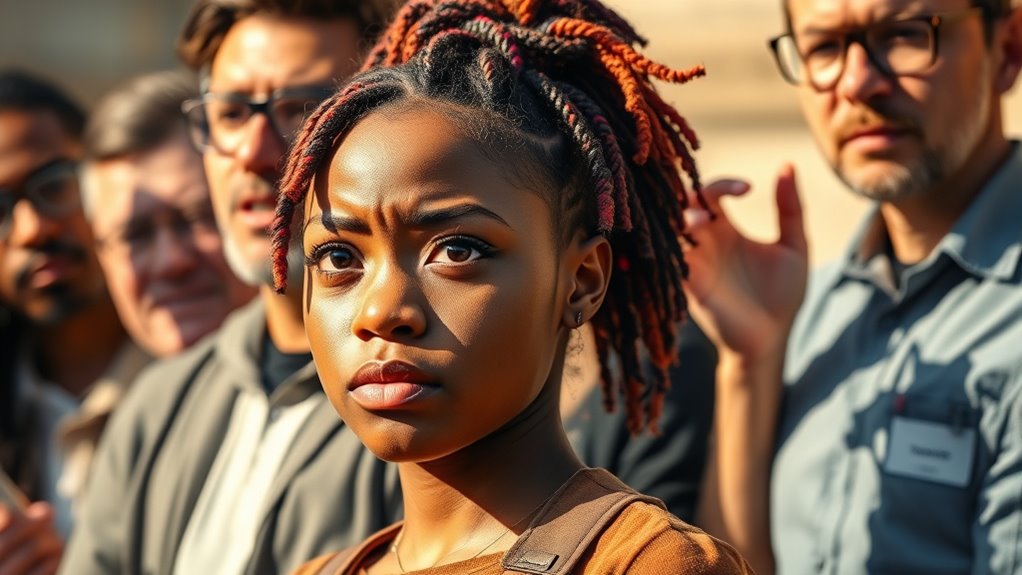
When you mispronounce someone’s name, it can feel like a small mistake, but it often carries a much deeper significance. Names are more than just labels; they’re an integral part of a person’s identity. When you get a name wrong, it’s not just an error in pronunciation; it can communicate a lack of respect or understanding. This is particularly important in diverse environments, such as workplaces where cultural sensitivity plays a vital role in fostering inclusivity.
Imagine you’re in a meeting, and someone introduces themselves with a name that’s unfamiliar. You might instinctively hesitate, unsure of how to pronounce it. When you choose to brush it off or skip asking for clarification, you miss an opportunity to show that you value that person’s identity. Mispronouncing names can lead to feelings of alienation, especially for individuals from different cultural backgrounds. In many cultures, names hold significant meaning and are tied to family heritage or ancestral roots. By making an effort to pronounce someone’s name correctly, you honor their background and affirm their identity. Additionally, practicing mindfulness techniques can improve your focus and awareness, helping you to remember and pronounce names correctly.
Workplace inclusivity hinges on mutual respect. When you take the time to learn how to pronounce names correctly, you send a clear message: you see and appreciate your colleagues as individuals. This small act can pave the way for stronger relationships and a more cohesive team dynamic. Conversely, mispronouncing names repeatedly can foster an environment where employees feel undervalued or overlooked. It can even discourage them from participating in discussions, stifling their voices and contributions.
To cultivate a more inclusive workplace, you should prioritize learning about your colleagues’ names. This isn’t just about getting it right; it’s about recognizing the diversity that makes your team unique. When you ask for clarification on how to pronounce a name, you demonstrate a willingness to engage with different cultures and backgrounds. This proactive approach enhances your cultural sensitivity and fosters an atmosphere of respect.
Frequently Asked Questions
How Can I Politely Correct Someone Who Mispronounces My Name?
You can politely correct someone by first smiling and gently saying, “Actually, it’s pronounced [your name].” This respectful correction shows you appreciate their effort while highlighting the correct name pronunciation. If they seem confused, you can offer a simple explanation or breakdown of the sounds. Remember, it’s perfectly fine to assert your identity; most people will appreciate your guidance and be more mindful moving forward.
What Are Some Creative Ways to Remember Difficult Names?
To remember difficult names, think of them like a puzzle waiting to be solved. You can use mnemonic devices, like associating the name with a familiar word or image. If someone’s name is “Leila,” picture a “laying” flower. Pronunciation tricks also help; break the name into syllables or rhyme it with something catchy. Repeating the name aloud a few times solidifies it in your memory, making it easier to recall later.
Does Mispronouncing Names Affect Professional Relationships?
Yes, mispronouncing names can seriously affect professional relationships. It undermines identity validation and can make colleagues feel excluded. When you take the time to learn and pronounce names correctly, you foster workplace inclusivity and show respect. This simple act can strengthen connections and create a more positive work environment. Remember, names are an essential part of personal identity, and getting them right can enhance collaboration and trust among team members.
Are There Cultural Differences in Name Pronunciation?
Yes, there are definitely cultural differences in name pronunciation. You’ll find that various regions have unique linguistic variations that shape how names are spoken. For example, a name like “Javier” gets pronounced differently in Spanish compared to English. It’s fascinating to explore how cultural pronunciation reflects identity and heritage. By understanding these differences, you not only show respect but also deepen your appreciation for diverse backgrounds, enriching your interactions with others.
How Can Schools Address Name Mispronunciation Issues?
To address name pronunciation issues, schools should prioritize cultural significance by training staff on the importance of correctly pronouncing names. You can encourage students to share the correct pronunciation and background of their names during introductions. Creating a welcoming environment fosters respect and understanding. Additionally, implementing name pronunciation guides can help everyone feel included. Remember, when you value names, you honor the diverse identities within your school community.
Conclusion
In a world where a simple name can define one’s identity, mispronouncing it can feel like swiping left on someone’s essence. When you take the time to learn the correct pronunciation, you’re not just showing respect; you’re acknowledging their story. It’s like using a flip phone in a smartphone era—outdated and dismissive. So, next time you meet someone, remember that their name carries weight; getting it right can forge a connection that transcends time.