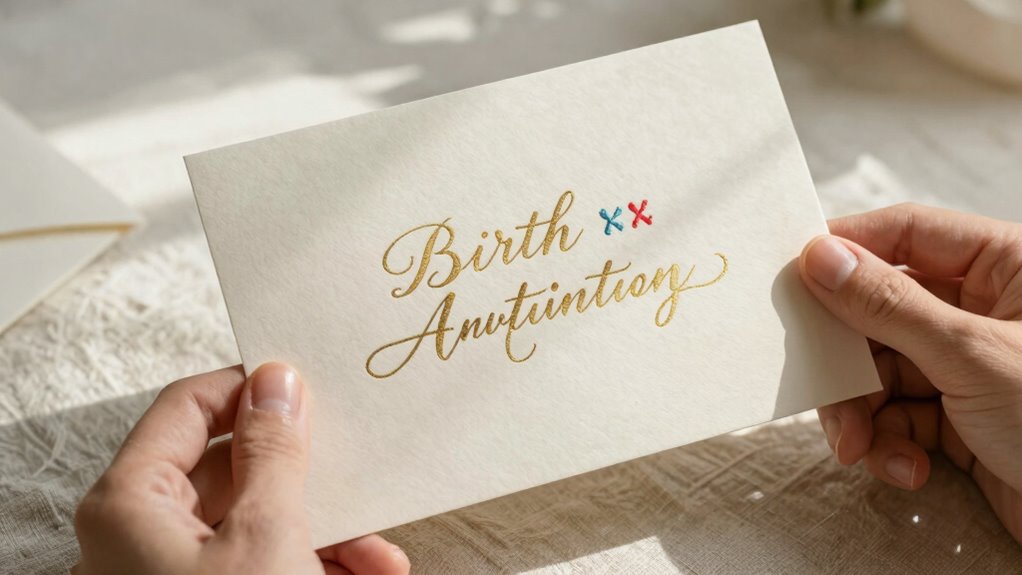
Including pronunciation guides on birth announcements helps you guarantee friends and family say the baby’s name correctly and respectfully, especially if it’s from a different cultural or language background. It avoids awkward mispronunciations, shows respect for the name’s significance, and promotes understanding among loved ones. By sharing pronunciation tips, you foster a more inclusive atmosphere where everyone feels comfortable and appreciated. If you want to discover even more reasons, keep exploring further insights.

Prime made for students and young adults
- Fast, free delivery for dorm and study essentials
- Prime Video and Amazon Music included
- Member-only deals
Key Takeaways
- Some names have unique or non-English pronunciations that are unfamiliar to most people.
- Uncommon spellings or phonetic complexities can lead to mispronunciations without guidance.
- Providing pronunciation respects the cultural or personal significance of the name.
- Clear pronunciation guides prevent awkward attempts and promote respectful communication.
- Including guides fosters inclusivity and recognition of diverse cultural identities.
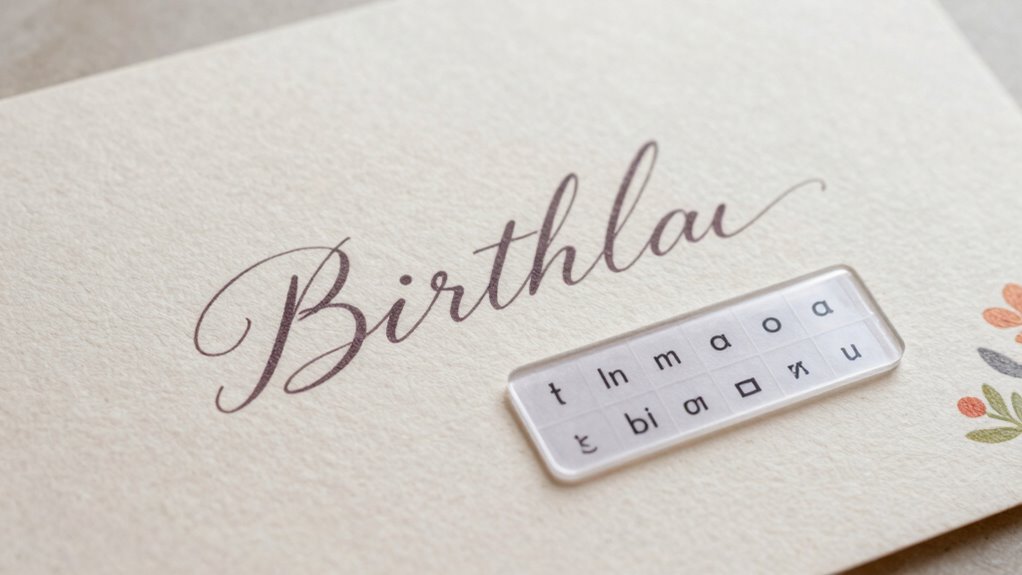
When sharing the joyful news of a new arrival, including pronunciation guides for the baby’s name can make a big difference. It shows respect for the name’s cultural significance and helps others say it correctly. Names often carry deep meanings and traditions, especially when they originate from different cultures or languages. When you include pronunciation guides, you’re honoring those roots and making sure your loved ones pronounce the name with care and accuracy. This small step can prevent awkward mispronunciations and ensure everyone feels connected and respectful.
Including pronunciation guides honors cultural significance and helps everyone say your baby’s name with care and respect.
Many names have pronunciation challenges because they’re unfamiliar to the general public. For example, names from non-English languages or those with uncommon spellings can be tricky to pronounce correctly without guidance. People may instinctively guess based on their own language rules, leading to mispronunciations that feel disrespectful or embarrassing. When you provide a simple pronunciation guide—like “Luh-rah” for Laura or “Kah-MEEL” for Kamil—you make it easier for friends and family to get it right on the first try. This reduces frustration and helps create a warm, inclusive environment where everyone can celebrate your new little one confidently. Recognizing cultural significance in names fosters understanding and appreciation among family and friends. Additionally, offering pronunciation tips can help combat linguistic confusion and promote greater cultural awareness.
Cultural significance plays a big role in why some names deserve special attention. For many families, names aren’t just labels—they’re a link to heritage, history, and identity. Mispronouncing a name that holds cultural importance can unintentionally dismiss that heritage. Including pronunciation guides doesn’t just help with saying the name correctly; it shows that you value and respect your child’s background. This is especially true for names from diverse cultural backgrounds that might seem unfamiliar or complicated to those outside that culture. When you share pronunciation tips, you’re promoting understanding and appreciation, making your announcement more meaningful to everyone involved.
Ultimately, the goal of adding pronunciation guides isn’t just about convenience; it’s about respect and acknowledgment. It signals that you care about your child’s identity and want others to honor it properly. In doing so, you foster a sense of inclusion, bridging gaps caused by language and cultural differences. It also sets a tone of thoughtfulness that can carry on in how people treat your child as they grow. When you include pronunciation guides, you’re not just making it easier to say a name—you’re celebrating its significance and ensuring that everyone can share in the joy of welcoming your new arrival with understanding and respect.
As an affiliate, we earn on qualifying purchases.
Frequently Asked Questions
How Do Pronunciation Guides Influence the Baby’s First Impression?
Pronunciation guides shape the baby’s first impression by ensuring their name’s significance is clear and memorable. When you include pronunciation, you help others understand the nickname’s importance and avoid mispronunciations. This clarity shows respect for the baby’s name choice and helps others connect meaningfully. Ultimately, pronunciation guides emphasize the significance of the nickname and make the first introduction positive, leaving a lasting, respectful impression.
Are There Cultural Reasons Behind Unique Name Pronunciations?
Cultural reasons considerably influence unique name pronunciations because of cultural name variations and linguistic pronunciation nuances. You might notice that names from different backgrounds carry specific sounds or accents that reflect their heritage. These variations honor traditions and identities, making pronunciation guides essential. When you understand these cultural nuances, you show respect and help others pronounce names correctly, fostering inclusivity and appreciation for diverse backgrounds in your community.
How Do Parents Choose Which Pronunciation to Use?
You choose which pronunciation to use based on your name selection and pronunciation preferences, aiming for clarity and connection. You might consider how the name sounds to family and friends or how it reflects cultural or personal significance. Often, you test different pronunciations, listen to others’ feedback, and prioritize what feels most authentic and respectful. Ultimately, your choice helps others pronounce your child’s name correctly and shows your pride in their unique identity.
Do Pronunciation Guides Affect Name Recognition or Popularity?
Pronunciation guides can influence name recognition and popularity, acting like a bridge over the chasm of unknowns created by nicknames and spelling variations. When guides clarify pronunciation, they make the name more accessible, encouraging others to adopt or remember it. Conversely, obscure spellings and unfamiliar pronunciations might hinder a name’s spread, making it feel exclusive rather than inviting. So, pronunciation guides can either boost or hinder a name’s journey into wider recognition.
What Are Common Mistakes in Pronouncing Uncommon Names?
You might stumble over uncommon names due to nicknames confusion or unfamiliar spelling variations. Often, people mispronounce these names because they assume standard pronunciations or get confused by spelling differences. To avoid mistakes, listen carefully, ask for pronunciation help, and don’t rely solely on written forms. Recognizing nicknames confusion and spelling variations helps guarantee you pronounce names correctly, showing respect and making the individual feel valued.
birth announcement pronunciation cards
As an affiliate, we earn on qualifying purchases.
As an affiliate, we earn on qualifying purchases.
Conclusion
Including pronunciation guides on birth announcements helps you honor your child’s unique name and avoid mispronunciations. Did you know that over 70% of people encounter mispronunciations of their names at some point? By providing guides, you guarantee friends and family say your child’s name correctly from the start, fostering respect and connection. It’s a simple step that makes a big difference in celebrating your child’s identity and cultural heritage.
personalized baby name pronunciation plaque
As an affiliate, we earn on qualifying purchases.
As an affiliate, we earn on qualifying purchases.
baby name phonetic spelling chart
As an affiliate, we earn on qualifying purchases.
As an affiliate, we earn on qualifying purchases.
Fall Picks
fall essentials
As an affiliate, we earn on qualifying purchases.