
You may find vowels in names confusing because their pronunciation varies based on language, region, and personal choice. Names like “Sean,” “Cai,” or “Mary” can be pronounced differently depending on accents or cultural backgrounds. Recognizing these vowel variations and asking politely when unsure helps avoid mispronunciations. Paying attention to context and regional differences makes communication smoother. If you keep exploring, you’ll gain more tips to confidently navigate these vowel challenges.
Key Takeaways
- Vowels like “A,” “E,” “I,” “O,” and “U” can have multiple pronunciations, causing confusion in names.
- Names borrowed from other languages often feature unfamiliar vowel sounds that are hard for English speakers.
- Regional dialects influence vowel pronunciation, leading to misunderstandings with names like “Mary” or “Merry.”
- Names such as “Sean” or “Cai” have multiple common pronunciations, making correct pronunciation tricky without clarification.
- Active listening and politely asking for pronunciation help are essential for accurately pronouncing confusing vowel sounds.
Vowels are the essential sounds that form the foundation of English pronunciation and spelling. They’re the building blocks of words, yet they often cause confusion, especially when it comes to names. Many English speakers find certain vowels in names particularly tricky, largely because of vowel pronunciation challenges and regional vowel variations. These factors can make a familiar name sound unfamiliar or lead to mispronunciations that stick.
Vowel pronunciation in names varies widely, making it easy to mispronounce or misunderstand unfamiliar names.
Take the letter “A,” for example. In some names, it’s pronounced as “ay” (like in “Kay”), but in others, it’s a short “a” sound, as in “Sara.” If you’re unfamiliar with a person’s background, you might mispronounce their name or assume it’s pronounced differently. The same goes for vowels like “E,” which can be pronounced as a long “ee” (as in “Pete”) or a short “e” (as in “Beth”). This inconsistency can trip you up, especially with names borrowed from other languages or regions. You might think you’re saying a name correctly, only to find out from the person that it’s pronounced differently.
Regional vowel variations further complicate matters. People from different parts of the English-speaking world often pronounce vowels differently. For instance, the vowel sounds in “Mary,” “marry,” and “merry” can vary greatly depending on where you’re from. In some dialects, these words are pronounced identically, while others distinguish them clearly. This regional variation can lead to misunderstandings, especially if you’re not familiar with the speaker’s accent or dialect. Recognizing regional pronunciation differences can help you navigate these vowel challenges more effectively. Being aware of regional accents and how they influence vowel sounds can improve communication and reduce mispronunciations. Additionally, understanding phonetic variations can help you adapt your pronunciation when encountering unfamiliar names.
Names with vowels that have multiple pronunciations become even more confusing. Consider “Sean,” which is often pronounced “Shawn,” but some might say “Seen” or “Sawn.” Without context, you might mispronounce it or assume a different spelling. Similarly, names like “Cai,” which can be “Kye” or “Eye,” depend heavily on regional and personal preferences. The challenge is that no single rule covers all these variations, making it essential to listen carefully and ask if unsure. Additionally, understanding the importance of cultural context can help you navigate these pronunciation nuances more effectively. The key to mastering these pronunciation nuances is staying attentive and adaptable. When you meet someone with an unfamiliar name, don’t hesitate to politely ask how to pronounce it. Recognizing these intricacies helps you respect others’ identities and improves your overall pronunciation skills. Names are personal, and getting their vowels right shows respect and attentiveness, even amid the complexities of regional and linguistic differences.

The HarperCollins Bible Pronunciation Guide: The Most Authoritative and Accessible Reference for Any English Version
As an affiliate, we earn on qualifying purchases.
As an affiliate, we earn on qualifying purchases.
Frequently Asked Questions
Why Do Some Vowels Have Multiple Pronunciations in English?
You might wonder why vowels have multiple pronunciations in English. It’s mainly due to vowel history, where sounds changed over time, and pronunciation shifts that happened as language evolved. These shifts often occurred because of influences from other languages, regional accents, and the way spellings adapted. As a result, vowels don’t always have one correct sound, making English pronunciation tricky, especially for non-native speakers.
How Do Vowel Sounds Vary Across Different English Dialects?
You know what they say, “The world is a stage,” and accents prove it. Vowel sounds vary across dialects due to regional accent variations and historical vowel shifts. For example, in Southern American English, vowels tend to be more drawn out, while British accents often feature sharper sounds. These differences develop over time, influenced by local history and culture, making English a rich tapestry of pronunciation styles.
Are There Any Vowels That Are Rarely Used in English Words?
You’ll notice that some vowels have low frequency in English words, making them rare vowel sounds. For example, the vowel ‘ÿ’ or ‘œ’ appear very infrequently, mostly in borrowed words or names from other languages. These vowels are rarely used in everyday English, so you might not encounter them often. Understanding vowel frequency helps you recognize which sounds are common and which are rare in English vocabulary.
How Do Vowel Combinations Influence Pronunciation Complexity?
Vowel combinations, like diphthongs, greatly influence pronunciation complexity. When vowel harmony occurs, vowels within a word must agree, complicating pronunciation for learners. Diphthong development creates sliding sounds that can be tricky to master, especially when they appear in unfamiliar contexts. These combinations demand careful listening and practice, as they affect how you pronounce words, leading to increased difficulty, but understanding these patterns makes mastering pronunciation much easier.
Why Do Vowels Sometimes Sound Similar but Have Different Spellings?
Vowels sometimes sound similar but have different spellings because of their diverse vowel letter origins and historical spelling changes. Over time, English adopted words from other languages, which affected pronunciation and spelling. As a result, some vowels retained older sounds while others shifted, creating inconsistencies. You’ll notice this especially in words with roots from Latin, Greek, or French, where spelling often stayed the same despite pronunciation evolving.

A Guide to Pronouncing Biblical Names
As an affiliate, we earn on qualifying purchases.
As an affiliate, we earn on qualifying purchases.
Conclusion
Exploring English vowels can feel like trying to find a lighthouse in a foggy night—confusing yet guiding. Their unpredictable sounds are a maze, but understanding them clears the mist. Embrace the challenge, and you’ll see the alphabet’s true colors shine through. Remember, vowels are the keys to opening words, turning chaos into clarity. Like stars guiding a sailor, mastering vowels lights your way through the language’s beautiful, confusing night.
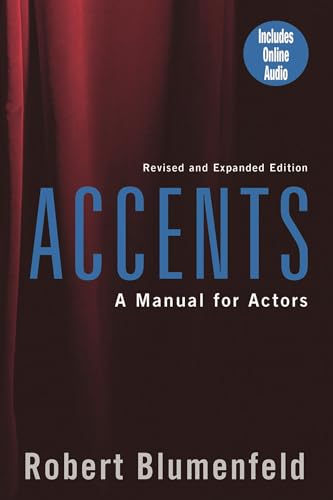
Accents: A Manual for Actors
Used Book in Good Condition
As an affiliate, we earn on qualifying purchases.
As an affiliate, we earn on qualifying purchases.

Dinosaur Toys for Kids 3-5 5-7 2-4 Year Old – Dinosaur Book with 30 Species Facts Names & Realistic Sounds – Dinosaur Gifts for Kids Boys Girls Toddlers
Great Learning Tool: This dinosaur sound book allows kids to match 30 dinosaur species images with sound buttons…
As an affiliate, we earn on qualifying purchases.
As an affiliate, we earn on qualifying purchases.