
When exploring Japanese kanji names, you’ll find that each character carries unique meanings and cultural significance. Selecting kanji involves careful consideration of the sounds, aesthetics, and virtues they represent, like strength or wisdom. Each name can tell a story that reflects personal or cultural narratives. You’ll also discover that kanji has multiple readings, adding depth to names. By understanding these factors, you can appreciate the intricate craft behind kanji names and uncover more fascinating insights.
Key Takeaways
- Kanji names often combine multiple characters, each contributing unique meanings that reflect virtues, aspirations, and cultural values.
- Understanding the on’yomi and kun’yomi readings is crucial for accurate pronunciation and interpretation of kanji names.
- The selection process for kanji involves balancing aesthetic appeal with meaningful character combinations to create beautiful names.
- Each kanji character carries its own history and significance, adding depth to the personal narratives behind names.
- Exploring kanji names enhances appreciation for Japanese language and culture, revealing the intricacies of name composition.
Exploring the world of Japanese kanji names can be both exciting and challenging. As you delve into this fascinating area, you’ll quickly realize that understanding the name etymology behind these names is vital. Each kanji character carries a unique meaning and history, allowing you to appreciate the depth of the names you encounter. When you’re faced with selecting a kanji name, you’ll want to consider not just the aesthetic appeal of the characters but also the significance they embody.
The kanji selection process involves careful consideration of how each character contributes to the name’s overall meaning. For instance, if you’re looking to create a name that signifies strength, you might choose kanji like “力” (chikara), which means power. However, you’ll also want to combine it with other characters that enhance the name’s meaning. This blend of characters can create a powerful and poetic name that resonates with your intentions.
You’ll find that many kanji names are composed of two or more characters, each adding layers of meaning. For example, the name “Masaru” can be written with kanji like “勝” (masaru), which means to win or excel, paired with other characters that may signify virtues like wisdom or kindness. This complexity in names makes them rich in cultural significance, offering a glimpse into the values and aspirations of the people who bear them.
Many kanji names combine characters, enriching their meanings and reflecting the cultural values of those who bear them.
In your exploration, it’s also important to understand the readings of kanji. Each character can have multiple readings, depending on whether it’s used in isolation or as part of a compound. This adds an additional layer of intricacy to the kanji selection process. You’ll want to familiarize yourself with both the on’yomi (Chinese readings) and kun’yomi (Japanese readings) to fully grasp how names can be pronounced and interpreted.
Ultimately, creating or choosing a kanji name requires a blend of creativity, cultural insight, and linguistic knowledge. As you navigate through the meanings and sounds of kanji, you’ll find that each name tells a story—your story. Whether you’re naming a character in a novel, crafting a unique identity, or simply exploring the beauty of the language, you’ll discover that the journey through kanji names is as rewarding as it is intricate. Embrace the challenge, and you’ll uncover a world filled with meaning and inspiration. Additionally, just as in the world of kanji names, the effective use of pimple patches can greatly enhance your skincare routine and target specific concerns.
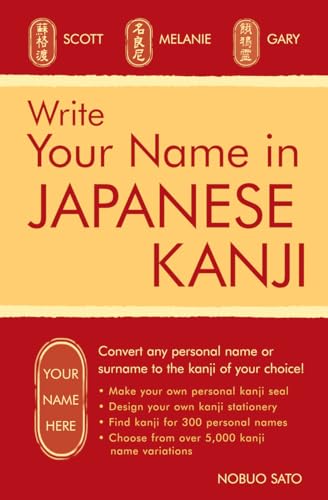
Write Your Name in Japanese Kanji: Convert any personal name or surname to the kanji of your choice: Kanji for over 300 personal names and over 5,000 kanji variations (Tuttle Specials)
As an affiliate, we earn on qualifying purchases.
As an affiliate, we earn on qualifying purchases.
Frequently Asked Questions
How Do I Choose a Kanji Name for a Pet?
Choosing kanji for pet names involves several factors. Think about your pet’s personality, appearance, or even breed traits. You might want to choose kanji that represent qualities like strength or playfulness. Additionally, consider the sound of the name; it should be easy to call out. Research different kanji meanings and pronunciations to find a name that resonates with you and your pet. Ultimately, pick something that feels right for both of you!
Can Kanji Names Have Multiple Meanings?
When it comes to kanji names, you’ve hit the nail on the head: they can definitely have multiple meanings. Each kanji carries its own symbolism, and combining them can create rich layers of meaning. The cultural significance of kanji names adds even more depth, making your choice not just a name, but a reflection of personality or traits you want to embody. So, explore different combinations to find the perfect fit!
Are There Any Kanji Names That Are Specifically Gender-Neutral?
Yes, there are gender-neutral kanji names! Many parents choose these names for their children to embrace inclusivity and reflect the cultural significance of gender-neutral names in Japan. Names like Haruka (春香) and Ren (蓮) can suit anyone, regardless of gender. By selecting a gender-neutral kanji name, you’re honoring tradition while promoting individuality. It’s a beautiful way to celebrate diversity and allow your child to define their identity freely.
What Are Some Popular Kanji Names for Children?
If you’re seeking standout kanji names for children, consider names like Haruto (陽翔) and Aoi (葵). Both boast beautiful meanings and are booming in popularity. You’ll notice kanji name pronunciation plays a pivotal role in their appeal, making them memorable and meaningful. Additionally, popularity trends show that names like Sora (空) and Yuna (優奈) are rising favorites among parents. These choices blend charm and cultural significance, perfect for your little one.
How Do Kanji Names Differ From Other Japanese Writing Systems?
Kanji names differ from other Japanese writing systems because they carry deep cultural significance and meaning. While hiragana and katakana focus on phonetics, kanji uses characters derived from Chinese, with each symbol representing a concept or idea. You’ll find kanji naming conventions emphasize not only the sound but also the meaning behind each character, reflecting wishes or traits parents hope to bestow upon their child. This adds a unique layer of depth to kanji names.

Hiragana and Katakana Charts for Japanese Learning (11"x17" Laminated Prints, Unframed)
- Size: 11×17 inches laminated posters
- Content: Full Hiragana and Katakana alphabets with translations
- Educational Use: Helps master Japanese scripts without other resources
As an affiliate, we earn on qualifying purchases.
As an affiliate, we earn on qualifying purchases.
Conclusion
In the world of Japanese kanji names, each character is like a brushstroke on a vibrant canvas, bringing your identity to life. By understanding the meanings and readings, you can paint a picture that resonates with your personality and values. Embrace the beauty of these characters, and let them guide you in choosing a name that feels uniquely yours. Remember, your name isn’t just a label; it’s a story waiting to be told.

Corciosy Chinese Calligraphy Set Japanese Calligraphy Kit for Beginners-Red
- Complete Calligraphy Set: Includes brushes, ink, paper, and accessories
- Ideal for Beginners: Perfect for learning Chinese calligraphy and painting
- Cultural Experience: Enhances calmness, reduces stress, and cultivates morality
As an affiliate, we earn on qualifying purchases.
As an affiliate, we earn on qualifying purchases.

CARDDIA | Japanese Kanji Flashcards for JLPT N5 & N4 | 600 Onyomi & Kunyomi Words | Audio Pronunciation | Study Aid for Japanese Learners & Travelers
- Interactive Kanji Practice: Stroke order diagrams for writing
- Informative Back: English meaning, example words, audio QR code
- Comprehensive Content: 200 Kanji for JLPT N5/N4, color-coded categories
As an affiliate, we earn on qualifying purchases.
As an affiliate, we earn on qualifying purchases.