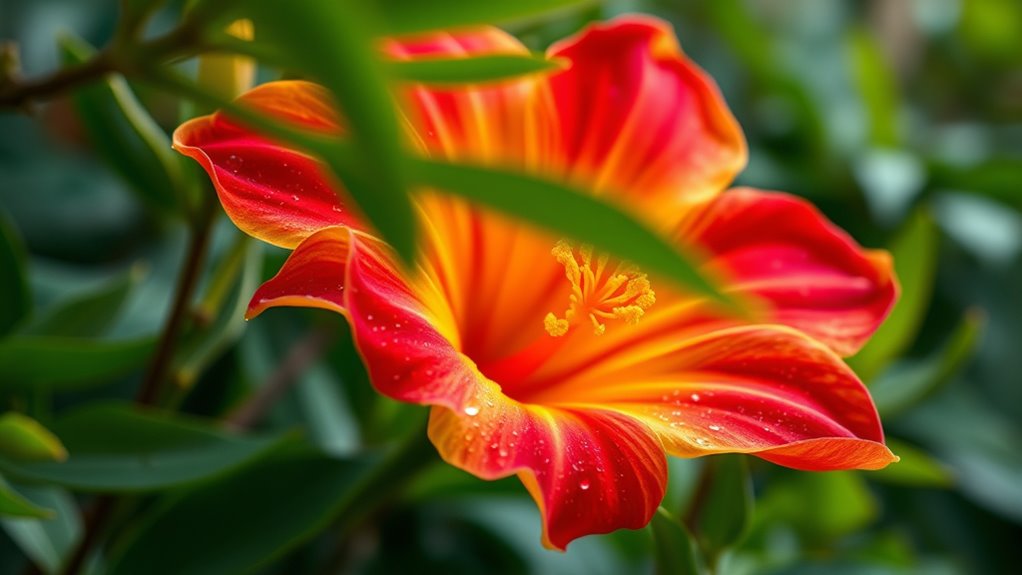

Hawaiian names connect deeply to nature and culture, reflecting stories rooted in the land and its heritage. Each name carries significant meaning, often honoring ancestors or celebrating natural elements like flowers and the ocean. They showcase the beauty of the environment, embodying qualities that communities value. This tradition preserves cultural identity while adapting to modern influences. Explore how these names tell tales of connection and significance, and you might uncover even more fascinating insights.

Prime made for students and young adults
- Fast, free delivery for dorm and study essentials
- Prime Video and Amazon Music included
- Member-only deals
Key Takeaways
- Hawaiian names often reflect elements of nature, such as flowers and geographical features, emphasizing the connection to the environment.
- Each name carries a unique story or meaning, representing qualities, blessings, or significant life events within Hawaiian culture.
- Naming practices honor family history and ancestry, showcasing deep-rooted connections to lineage and community values.
- Modern adaptations of Hawaiian names retain traditional meanings while becoming more accessible and popular globally.
- The process of naming is a cultural expression that preserves identity and heritage while celebrating the beauty of Hawai’i.

Have you ever wondered what the beauty of Hawaiian names reveals about the culture and history of the islands? When you immerse yourself in Hawaiian naming traditions, you’ll discover a rich tapestry woven with meanings that connect deeply to nature, ancestors, and the community. Each name carries a story, often reflecting the environment, such as flowers, animals, or geographical features. For instance, names like Leilani, meaning “heavenly flower,” or Keanu, meaning “cool breeze,” showcase the islands’ natural beauty and the importance of the environment in Hawaiian culture.
Discover the rich meanings behind Hawaiian names, reflecting nature, heritage, and community in a vibrant tapestry of culture.
In Hawaiian culture, names aren’t just labels; they’re powerful symbols of identity and heritage. Parents often choose names based on significant events, family history, or aspirations for their child. This practice of naming is steeped in tradition, where each name is thought to embody certain qualities or blessings. You might find that a name given to a child could honor a beloved grandparent or mark the time of their birth, reflecting the community’s values and connections.
As you explore Hawaiian names, you’ll notice how modern adaptations have emerged alongside traditional practices. In recent years, there’s been a surge in the popularity of Hawaiian names beyond the islands. People from various backgrounds are drawn to these names for their beauty and uniqueness. They might choose names like Kaimana, meaning “power of the ocean,” or Moana, meaning “ocean,” giving their children a piece of Hawaiian culture that resonates with them.
These modern adaptations often retain the essence of the original names while making them more accessible to a global audience. You’ll find that some names are slightly altered to fit different languages or pronunciations, yet they still maintain a connection to their roots. This blending of traditional and contemporary elements showcases the evolving nature of Hawaiian culture, as it embraces change while honoring its past. Additionally, the significance of family heirlooms in Hawaiian culture reflects the deep-rooted connections people have with their ancestry and heritage.
Hawaiian name pronunciation guide
As an affiliate, we earn on qualifying purchases.
As an affiliate, we earn on qualifying purchases.
Frequently Asked Questions
How Do I Pronounce Hawaiian Names Correctly?
To pronounce Hawaiian names correctly, focus on the vowel sounds, as they are essential. Each vowel should be pronounced clearly: ‘a’ as in “father,” ‘e’ as in “met,” ‘i’ as in “machine,” ‘o’ as in “told,” and ‘u’ as in “flu.” Use pronunciation tips like breaking the name into syllables. Remember, cultural pronunciation respects the rhythms and sounds of the language, so practice saying them aloud to get comfortable.
Are There Specific Naming Ceremonies in Hawaiian Culture?
Yes, there are specific naming ceremonies in Hawaiian culture known as “pūerto.” These traditional rituals hold deep cultural significance, celebrating the child’s identity and connection to family and ancestry. During the ceremony, loved ones gather to bless the name, often incorporating chants and songs. You’ll find that these events foster a sense of community and honor the unique relationship between the child and their heritage, making the occasion truly memorable.
Can Hawaiian Names Have Multiple Meanings?
Yes, Hawaiian names can have multiple meanings, reflecting their cultural significance. You’ll find that names often embody various linguistic variations, depending on context and pronunciation. For instance, a name might refer to both a person and a natural element, like the ocean or a flower. This richness in meaning showcases not just personal identity but also a deep connection to the land and heritage, making Hawaiian names uniquely layered and profound.
How Are Hawaiian Names Chosen for Children?
Choosing Hawaiian names for children often feels like weaving a rich tapestry of cultural significance and family lineage. You look to your family’s history, selecting names that honor ancestors or reflect personal values. Traditions play an essential role, with names often chosen based on their meanings, evoking elements of nature or spirituality. This process not only celebrates heritage but also creates a bond between the child and their lineage, ensuring a lasting connection.
Do Hawaiian Names Change Over Time or With Life Events?
Yes, Hawaiian names can change over time or with significant life events. As you grow, your name might evolve to reflect your experiences or cultural significance. For instance, you may receive a new name after a milestone, like a graduation or a marriage, symbolizing your personal journey. This name evolution not only honors your heritage but also connects you to your community, celebrating both your past and your future paths.
As an affiliate, we earn on qualifying purchases.
Conclusion
In the vibrant tapestry of Hawaiian culture, names are like the whispers of the wind, echoing the beauty of nature and the spirit of ancestors. Embracing these names connects you to the land’s heartbeat, weaving you into its rich heritage. So, as you explore this enchanting domain, let the names you encounter be your guide, lighting your path like the stars that twinkle above. Immerse yourself in this ocean of meaning, and let the waves of culture wash over you.
As an affiliate, we earn on qualifying purchases.
As an affiliate, we earn on qualifying purchases.
Halloween Picks
halloween
As an affiliate, we earn on qualifying purchases.