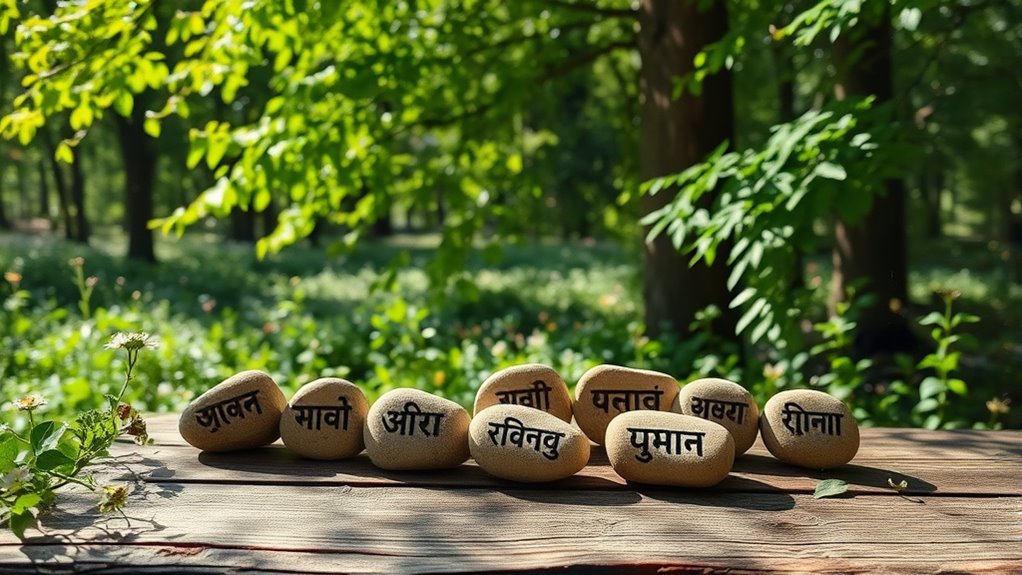

Sanskrit names hold profound cultural significance, connecting you to ancient traditions and spiritual beliefs. Each name reflects rich histories and resonates with personal virtues and life aspirations. For instance, “Ananya” means “unique,” while “Kiran” symbolizes a “ray of light.” These names not only celebrate individual identity but also link to divine stories and familial legacies. Exploring their origins reveals the vibrancy and depth of this tradition, opening doors to deeper understanding and appreciation.

Prime made for students and young adults
- Fast, free delivery for dorm and study essentials
- Prime Video and Amazon Music included
- Member-only deals
Key Takeaways
- Sanskrit names are deeply rooted in ancient Indian culture, reflecting historical significance and spiritual beliefs.
- Each name carries profound meanings, often symbolizing virtues, characteristics, or aspirations linked to personal identity.
- Names like “Ananya” and “Kiran” highlight unique qualities and positive energies, connecting individuals to broader themes of enlightenment.
- Many Sanskrit names are passed down through generations, embodying familial aspirations and societal values within Indian cultural identity.
- Understanding the etymology of these names reveals their rich narratives and spiritual connections to divine stories and life celebrations.

Sanskrit names carry profound meanings and rich histories, often reflecting the cultural and spiritual beliefs of ancient India. When you explore into the Sanskrit name etymology, you’ll discover that each name is more than just a label; it’s a window into a world of tradition and significance. These names have been crafted through centuries, drawing from the sacred texts, philosophies, and myths that shape the Indian identity. Understanding the roots of these names can deepen your appreciation for their beauty and complexity.
Sanskrit names are rich in meaning and history, offering insights into ancient Indian culture and spirituality.
Take, for instance, the name “Ananya,” which means “unique” or “incomparable.” When you call someone by this name, you’re not just using a common identifier; you’re highlighting their extraordinary qualities. This cultural significance of Sanskrit names is evident in the way they often embody virtues, characteristics, or aspirations. Parents frequently choose names based on the qualities they hope their children will embrace, imbuing them with a sense of purpose from the very beginning.
Exploring names like “Kiran,” meaning “ray of light,” reveals how Sanskrit names often symbolize positive energies and ideals. When you understand the etymology behind such names, you’ll see how they connect to broader themes in life, such as enlightenment and hope. This connection adds layers of meaning, making each name a source of inspiration. You might find that names like “Vishnu,” representing the preserver in Hindu mythology, carry a weight of responsibility and reverence that resonates within families.
Moreover, the cultural significance of Sanskrit names extends beyond individual identity; they often reflect familial and societal values. Many names are passed down through generations, linking you to your ancestors and their beliefs. When you carry a Sanskrit name, you’re part of a legacy that transcends time, a thread woven into the rich tapestry of Indian culture. Additionally, just as specialty teas can be crafted to suit individual preferences, Sanskrit names can be chosen to reflect personal values and aspirations.
As you explore this fascinating domain, remember that the beauty of Sanskrit names lies not just in their meanings but also in the stories they tell. Each name is a narrative, a connection to the divine, and a celebration of life. By understanding their etymology and cultural significance, you’re not just learning about names; you’re engaging with a vibrant tradition that continues to shape identities today. Embrace the depth and richness of Sanskrit names, and let their meanings resonate in your own life.
As an affiliate, we earn on qualifying purchases.
Frequently Asked Questions
How Do I Choose a Sanskrit Name for My Child?
To select a Sanskrit name for your child, start by exploring meaningful name combinations that resonate with you. Consider the cultural significance of Sanskrit names, as they often carry deep spiritual meanings and reflect values you cherish. Look for names that symbolize qualities you hope your child embodies. You might also seek inspiration from mythology, nature, or virtues to make sure the name feels special and unique to your family’s heritage.
Can I Change My Name to a Sanskrit Name?
Yes, you can definitely change your name to a Sanskrit name! Many people embrace the cultural significance of Sanskrit names, reflecting their heritage or personal beliefs. Modern naming trends often involve adopting these beautiful names, as they carry deep meanings and a spiritual essence. When choosing a new name, consider its significance and how it resonates with you. This change can be a meaningful step in your personal journey.
Are There Any Popular Sanskrit Names for Pets?
Are you looking for a name that reflects your pet’s personality? Popular Sanskrit pet names like “Chintu” for a small pet or “Bholu” for a gentle one are great choices. If you’re after something unique, consider “Shakti,” meaning power, or “Maya,” symbolizing illusion. These names not only sound beautiful but also carry meaning. So, whether it’s a dog or cat, a Sanskrit name can add a special touch to your pet’s identity.
What Are Some Common Misconceptions About Sanskrit Names?
You might think that Sanskrit names are only ancient or hard to pronounce, but that’s a cultural misconception. Many believe they’re exclusively religious, while in reality, they can represent various aspects of life and nature. Additionally, linguistic misunderstandings often arise from assuming Sanskrit lacks modern relevance. In truth, these names can be beautifully adapted for contemporary use, bridging tradition and modernity while maintaining their rich significance. Embrace the depth and versatility of Sanskrit!
How Do I Pronounce Sanskrit Names Correctly?
To pronounce Sanskrit names correctly, focus on the sounds of the vowels. Use a pronunciation guide for vowels, paying attention to short and long forms. For example, “a” is pronounced as in “father,” while “i” is like in “machine.” Practice speaking aloud, breaking names into syllables, and listening to native speakers. Don’t hesitate to ask for help; getting it right is all about practice and patience. You’ll feel more connected to the names you use!
As an affiliate, we earn on qualifying purchases.
Conclusion
In the tapestry of life, Sanskrit names weave a rich narrative, blending ancient wisdom with modern identity. As you explore these names, you’ll discover a profound connection to history and spirituality that transcends time. From the strength of “Arjun” to the serenity of “Maya,” each name carries a story waiting to be told. So, whether you’re naming a child or seeking a personal transformation, remember: a name isn’t just a label; it’s a doorway to deeper understanding.
As an affiliate, we earn on qualifying purchases.
As an affiliate, we earn on qualifying purchases.
Halloween Picks
halloween
As an affiliate, we earn on qualifying purchases.