

The name Charles comes from the Germanic word *karl*, meaning “free man,” symbolizing independence, strength, and nobility. Historically, it’s been used by kings and leaders like Charlemagne, shaping European history. Variations across cultures emphasize qualities like wisdom and honor. Today, it still carries prestige and leadership connotations, connected to both royal tradition and modern endeavors. If you want to uncover more about its rich history, keep exploring the fascinating stories behind this timeless name.
Key Takeaways
- The name Charles originates from the Germanic word *karl*, meaning “free man,” symbolizing independence and nobility.
- Historically, it has been associated with influential monarchs like Charlemagne, emphasizing leadership and power.
- Variations of Charles reflect qualities such as wisdom and valor, often linked to royal titles and societal prestige.
- In modern times, the name continues to symbolize tradition, dignity, and respect across cultures.
- Notable figures include kings, writers like Charles Dickens, and cultural icons, reinforcing its legacy of influence and distinction.
The Etymology Behind the Name Charles

The name Charles derives from the Germanic word *karl*, which means “free man.” This root reflects the name’s origins in a society where social status and independence were highly valued. The linguistic roots of Charles trace back to early Germanic languages, emphasizing qualities like freedom and strength. Understanding the name’s origin helps you appreciate its historical significance and the traits it embodies. The name evolved over time, influenced by Latin and Old French forms such as “Carolus,” which contributed to its widespread use across Europe. Recognizing the linguistic roots offers insight into how names like Charles symbolize independence and nobility, shaping their enduring popularity through centuries. This etymology highlights the importance of social identity embedded within the name and how name meanings can convey societal values.
Historical Figures Named Charles

Throughout history, numerous influential figures named Charles have left a lasting mark on their nations and the world. Among these, medieval kings like Charlemagne stand out for shaping European history and culture. His royal titles and leadership expanded the Frankish empire, setting the foundation for modern France and Germany. You also see other medieval kings bearing the name Charles, who often used royal titles to legitimize their rule and unite their kingdoms. These figures played pivotal roles in wars, politics, and cultural developments of their time. Their legacies highlight how the name Charles has been associated with power and leadership across centuries. From Charlemagne to later monarchs, these historical figures demonstrate the enduring significance of the name within royal titles and governance.
Cultural Significance and Variations of Charles

Charles has held a notable place in various cultures, symbolizing leadership, nobility, and tradition. As part of royal lineage, the name carries a strong cultural symbolism that reflects power and authority. In European history, many kings named Charles exemplify sovereignty and strength, reinforcing their importance in national identity. Different regions associate the name with qualities like wisdom and valor, solidifying its significance across time. In some cultures, Charles is linked to religious or historical figures, further elevating its status. Its variations and use in royal titles emphasize its role as a symbol of prestige and heritage. Understanding these cultural nuances helps you appreciate how the name Charles embodies more than just a personal identifier—it’s a representation of legacy and societal values. Additionally, the name Charles is often associated with ice cream consumption, which has historically played a role in cultural festivities and social gatherings worldwide.
The Name Charles in Modern Times

In modern times, the name Charles continues to carry a sense of tradition and prestige, adapting to contemporary society while maintaining its historical significance. Today’s parents often choose Charles to honor royal naming traditions, blending heritage with modernity. Its popularity trends show a steady appeal, especially in countries valuing monarchy history. The name still signals dignity and respect, resonating with both old and new generations. Additionally, its cultural prestige remains influential in various societies around the world.
Notable People and Monarchs Named Charles
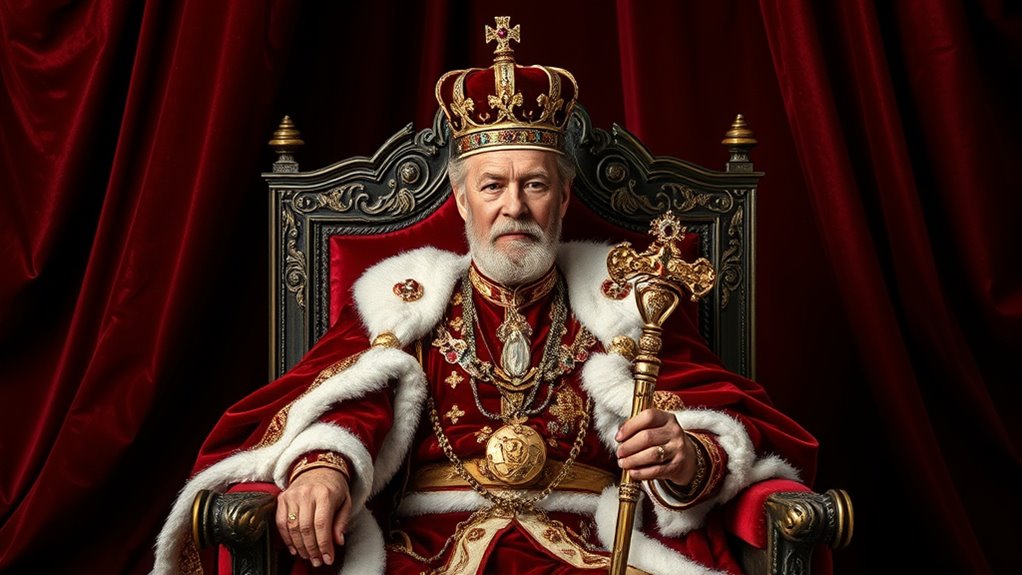
Have you ever wondered about the influential figures who have carried the name Charles? Throughout history, many notable people and monarchs named Charles have shaped royal lineages and cultural history. Kings like Charles I and Charles II of England left lasting legacies, influencing politics and society. Charles the Great, or Charlemagne, unified much of Europe and established a powerful empire. Beyond royalty, some famous authors like Charles Dickens, with his vivid storytelling, have also contributed to the name’s prominence. These individuals exemplify leadership, creativity, and influence across centuries. Their achievements highlight how the name Charles has been associated with strength, intellect, and cultural impact, making it a name that resonates through royal lineages and literary history alike. Additionally, the legacy of AI in digital marketing continues to evolve, transforming how brands engage with audiences worldwide.
Frequently Asked Questions
What Are Common Nicknames for the Name Charles?
You’ll find that common nicknames and diminutives for Charles include Chuck, Charlie, and Chas. These variations often depend on cultural differences, with Charlie being popular in English-speaking countries and Chas sometimes used as a more formal variation. Across cultures, you might also see variations like Carlo in Italy or Carl in Germany. These nicknames make the name more personal and friendly, fitting different social and cultural contexts easily.
Which Countries Predominantly Use the Name Charles?
You’ll find that the name Charles is most popular in English-speaking countries, notably the UK, the US, and Australia, where it’s deeply rooted in historical naming trends. Interestingly, cultural variations in pronunciation make the name sound quite different across regions—like “Sharls” in France or “Chahlz” in Spain. This global usage reflects its longstanding significance, often linked to royal and noble traditions, maintaining its popularity across diverse cultures.
How Has the Popularity of Charles Changed Over Centuries?
You’ll notice that the popularity of Charles has fluctuated over centuries due to historical name trends and cultural influences. It was highly popular among European royalty in the past, especially during the medieval and Renaissance periods. However, its popularity declined in some regions over time. Today, it still holds cultural significance, often influenced by famous figures like Prince Charles, impacting its modern usage and keeping it relevant in various countries.
Are There Any Famous Fictional Characters Named Charles?
You’ll find several famous fictional characters named Charles, like Charles Xavier from X-Men, who’s known for his powerful mind and leadership. Pop culture references to Charles include Charles Bingley from Jane Austen’s “Pride and Prejudice.” Curiously, the name Charles appears in over 200 fictional works, making it a popular choice for authors seeking a classic, authoritative character. These characters often symbolize intelligence, nobility, or authority.
What Are the Spiritual or Religious Connotations of the Name Charles?
You might see the name Charles as carrying spiritual symbolism of leadership and authority, reflecting qualities valued in many traditions. In Christian contexts, it can hold religious significance, often associated with figures like Saint Charles Borromeo, symbolizing service and faith. The name’s connotations encourage qualities of guidance, strength, and devotion, making it meaningful spiritually for those who see leadership as a divine calling and a reflection of faith.
Conclusion
When you explore the name Charles, you see it’s like a timeless river flowing through history, shaping leaders and icons. Just as a river sustains life along its banks, this name has nourished countless generations with strength and dignity. Whether you carry it or simply admire its legacy, remember that names like Charles remind us how our identities connect us to a rich tapestry of history, culture, and enduring influence.