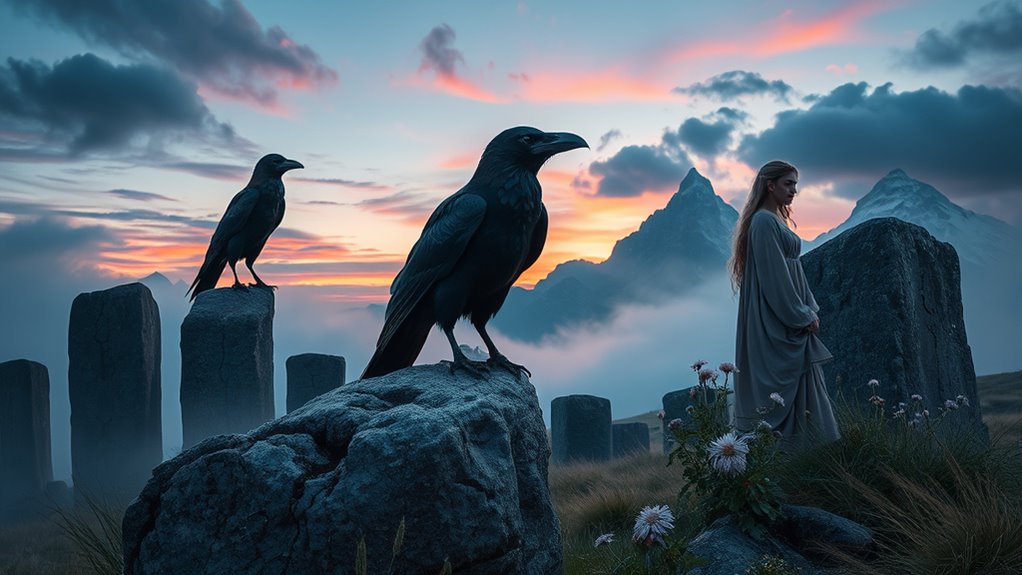

Norse god names like Odin and Freya embody ancient beliefs and values that shaped their society. Odin, the Allfather, symbolizes wisdom and sacrifice, while Freya represents love and fierce independence. Each name connects to spiritual traits, revealing a rich mythology and worldview. These names aren’t just relics; they resonate with cultural significance today. If you’re curious about how these deities influence modern perceptions and what other fascinating names exist, you’ll uncover even more intriguing connections.

Prime made for students and young adults
- Fast, free delivery for dorm and study essentials
- Prime Video and Amazon Music included
- Member-only deals
Key Takeaways
- Norse god names like Odin and Freya embody cultural values, reflecting the ancient Norse worldview and mythology.
- Odin symbolizes wisdom and sacrifice, while Freya represents love, beauty, and the duality of war and romance.
- Each name carries profound meanings, connected to traits and attributes of the deities they represent.
- Runes associated with gods, such as “Fehu” for Freya, deepen understanding of their characteristics and mythological stories.
- Norse names continue to resonate today, linking modern society with ancient beliefs and traditions.
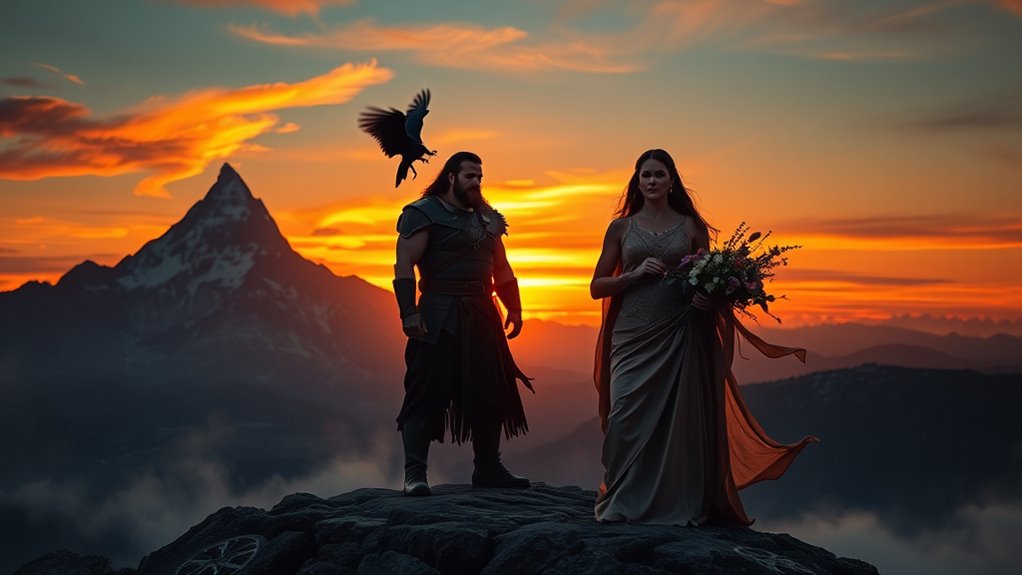
Norse god names carry a rich history and deep cultural significance, reflecting the beliefs and values of the ancient Norse people. Each name isn’t just a label; it’s woven into the fabric of their mythology, echoing the stories and traits of the gods they represent. When you explore names like Odin and Freya, you’re not just examining characters; you’re uncovering layers of meaning that connect to the very essence of Norse culture.
Take Odin, for instance. His name symbolizes wisdom, war, and poetry. As the Allfather, he embodies the quest for knowledge and the sacrifices made to attain it. You might find it interesting that his name is tied to the Old Norse word for “fury,” which reflects his fierce nature and complex character. He’s often depicted with his ravens, Huginn and Muninn, symbolizing thought and memory. This mythological symbolism enhances your understanding of who Odin is: a god who seeks out knowledge, even at great personal cost.
Then there’s Freya, the goddess of love, beauty, and fertility. Her name resonates with themes of desire and attraction. Freya isn’t just a goddess of romantic love; she also embodies the fierce warrior spirit. When you think of her, consider how her name connects to the idea of choice and empowerment in relationships. She rides a chariot pulled by two cats, which adds a layer of mythological symbolism tied to femininity and independence. Freya’s duality—representing both love and war—makes her a multifaceted figure in Norse mythology, reflecting the complexities of human experience.
Beyond individual names, Norse mythology is filled with rune meanings that resonate with the characteristics of these gods. Runes are more than just letters; they carry deep significance, often representing concepts or ideas that connect to the deities. For example, the rune “Fehu” symbolizes wealth and abundance, which can be linked to Freya’s attributes. Understanding these connections enriches your grasp of the gods and their stories.
As you explore Norse god names, remember that they’re not just relics of a bygone era. They’re living symbols of ancient beliefs, revealing how the Norse people viewed the world around them. Each name you encounter invites you to engage with a rich tapestry of mythology, history, and culture, allowing you to see the profound connections that shaped their lives. By appreciating these names, you’re also connecting with the past in a meaningful way.
Norse mythology Odin Freya figurine
As an affiliate, we earn on qualifying purchases.
As an affiliate, we earn on qualifying purchases.
Frequently Asked Questions
What Cultural Significance Do Norse Gods Hold Today?
Norse gods hold significant cultural value today, as their symbolism resonates in various modern contexts. You’ll notice their influence in literature, art, and popular media, where contemporary Norse mythology adaptations breathe new life into ancient tales. This connection fosters a deeper appreciation for themes like heroism, fate, and nature. By exploring these adaptations, you engage with a rich cultural heritage that inspires creativity and reflection in today’s society.
How Do Norse Gods Compare to Other Mythologies?
Norse gods are like rock stars of mythology, strutting around with their epic tales and divine hierarchy! Compared to other mythologies, they’ve got a unique flavor, bursting with mythological symbolism that reflects the harshness of life. While Greek gods frolic in luxury, Norse deities face the inevitable doom of Ragnarok. You can’t help but admire their resilience, making them relatable and fascinating compared to the glamorous antics of their mythological counterparts!
Are There Modern Interpretations of Norse Gods?
Yes, there are modern interpretations of Norse gods. You’ll find them in pop culture, like movies, TV shows, and comics, where characters take on traits of deities like Thor and Loki. Additionally, modern worship practices have emerged, with some people embracing Heathenry or Ásatrú, celebrating these ancient figures in contemporary rituals. This blend of ancient myth and modern life keeps the Norse gods relevant and engaging for today’s audience.
What Artifacts Are Associated With Norse Mythology?
Norse artifacts are like windows into a world of myth and legend. You’ll find mythological relics such as the Mjölnir, Thor’s hammer, symbolizing protection and power. The Gungnir spear, associated with Odin, represents authority and fate. Additionally, Viking runestones and amulets reveal stories of gods and heroes, connecting you to ancient beliefs. Each artifact carries the weight of history, inviting you to explore the rich tapestry of Norse mythology.
How Can I Learn More About Norse Mythology?
To learn more about Norse mythology, delve into books and online resources that explore its rich symbols and mythological creatures. Look for stories featuring iconic beings like giants and elves, and study symbols such as the Valknut and Mjölnir. Join online forums or local groups where enthusiasts discuss these fascinating tales. You’ll discover vivid narratives and deep meanings that connect you to a world filled with adventure and intrigue.
As an affiliate, we earn on qualifying purchases.
Conclusion
In the grand tapestry of Norse mythology, names like Odin and Freya weave tales of power, love, and fate. These deities aren’t just figures from ancient stories; they resonate with us today, reminding us of the strength within ourselves. So, when you think of these gods, remember that their legacies live on, lighting a fire in our hearts. Embrace their stories, and you might just find a bit of their magic in your own life.
Norse mythology inspired wall art
As an affiliate, we earn on qualifying purchases.
As an affiliate, we earn on qualifying purchases.
Odin and Freya Norse deity statues
As an affiliate, we earn on qualifying purchases.
As an affiliate, we earn on qualifying purchases.
Fall Picks
fall essentials
As an affiliate, we earn on qualifying purchases.