
Isabella is a classic name with roots in medieval poetry and Hebrew origins, meaning “God is my oath.” It gained popularity through royal and noble connections across Europe and is linked to themes of beauty, nobility, and romance. Variations like Isabel and Izabela are used worldwide, reflecting cultural influences. The name has been carried by queens, saints, and artists, symbolizing elegance and grace. If you want to explore its fascinating history and significance further, keep exploring below.
Key Takeaways
- “Isabella” originates from Hebrew Elisheva, meaning “God is my oath,” with roots in medieval poetry and royal European lineages.
- The name gained prominence through queens, princesses, and noble associations, symbolizing nobility, elegance, and romance.
- Variations include Isabella, Isabelle, Isabela, Izabela, and others, with nicknames like Isa, Bella, and Izzy.
- It has deep cultural significance in Spain, Italy, and Latin America, representing beauty, grace, and regal qualities.
- The name remains popular worldwide, inspired by historical figures, literature, and modern celebrities, emphasizing timeless elegance.
Origins and Etymology of Isabella

Have you ever wondered where the name Isabella comes from? Its roots trace back to medieval poetry, where the name was celebrated in romantic and chivalric tales. The name is thought to derive from the Hebrew Elisheva, meaning “God is my oath,” but it gained prominence through its connections to royalty across Europe. During medieval times, Isabella became associated with queens, princesses, and noblewomen, cementing its royal ties. The name’s popularity grew as it appeared in courtly love stories and royal lineages, symbolizing nobility and grace. Its poetic elegance and regal associations helped it endure through centuries, making Isabella a timeless choice rooted in history, tradition, and the literary culture of medieval Europe. Additionally, the name has experienced various cultural adaptations that contributed to its widespread appeal across different regions.
Historical Roots and Medieval Significance

The medieval period solidified Isabella’s reputation as a name associated with nobility and romance, embedding it deeply into European history. During this time, medieval naming customs emphasized royal lineage significance, often reflecting noble heritage and political alliances. As a result, many royal families chose names like Isabella to showcase their status. To understand its medieval roots, consider these key points:
- Royal Usage: Isabella was popular among queens and princesses, reinforcing its noble connotations.
- Medieval Naming Customs: Names were often passed through generations to preserve family legacy.
- Historical Influence: Prominent figures, such as Queen Isabella of Castile, elevated the name’s status and romantic appeal.
- Cultural Significance: The name’s enduring popularity is also attributed to its association with medieval traditions that valued lineage and heritage.
These elements highlight how Isabella’s historical roots are intertwined with medieval notions of nobility and tradition.
Cultural Variations and Global Popularity
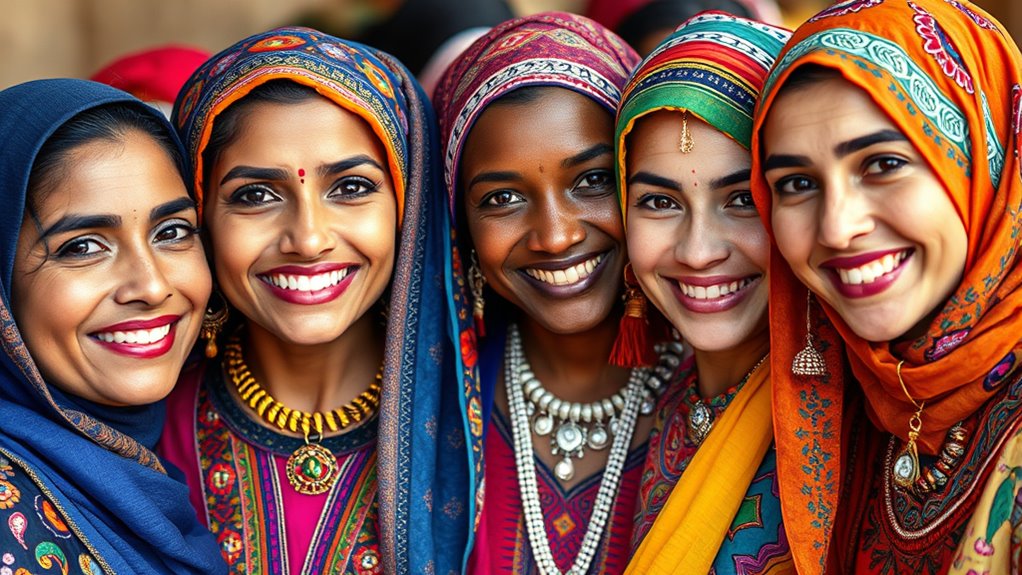
You’ll notice that Isabella remains popular worldwide, but its cultural significance varies from place to place. In some countries, it’s seen as a classic, while others embrace it as a modern favorite. Exploring these trends reveals how naming choices reflect local traditions and global influences. Additionally, the name’s enduring appeal is partly due to its association with timeless beauty and elegance, which continues to resonate across different cultures.
Name Popularity Worldwide
How popular is the name Isabella around the world? Its name popularity has soared in many countries, reflecting its widespread appeal. Here are three key points about its global distribution:
- In the United States, Isabella consistently ranks among the top girl names, highlighting its strong popularity.
- Across Europe, especially in Italy and Spain, the name maintains cultural significance and high usage.
- In Latin America, Isabella is also widely favored, often linked to historical figures and modern celebrities.
- The name’s versatility and ease of pronunciation contribute to its international appeal, making it a popular choice across diverse cultures.
Cultural Significance Variations
Have you noticed how the cultural significance of the name Isabella varies across regions? In some cultures, Isabella symbolizes royalty, elegance, and historical importance, reflecting regional naming customs that honor noble or religious figures. For example, in Spain and Italy, the name carries deep historical roots tied to queens and saints, giving it a regal and spiritual significance. Meanwhile, in Latin American countries, Isabella often represents beauty and grace, aligning with local traditions of naming children after admired qualities. These cultural significance variations influence how the name is perceived and celebrated, shaping its popularity and usage. Understanding these regional differences helps you appreciate the name’s rich, diverse meanings across cultures, beyond its global popularity. Additionally, regional naming customs play a crucial role in shaping the name’s significance and how it is embraced worldwide.
Global Naming Trends
Global naming trends reveal how the popularity of the name Isabella varies widely across regions, reflecting cultural preferences, historical influences, and societal values. You’ll notice distinct patterns in naming ceremonies and how cultural name meanings shape choices. For example:
- In Europe, Isabella remains a classic, often chosen to honor tradition and family heritage.
- In Latin America, it’s popular due to its romantic roots and cultural significance.
- In the U.S., trends fluctuate with celebrity influence and shifting societal values.
- The availability of diverse planter designs and styles also influences home gardening choices, paralleling how cultural differences shape naming preferences.
These variations show that while Isabella is globally recognized, local customs and cultural name meanings influence its popularity, making it a versatile and enduring choice worldwide. Understanding these trends helps you appreciate how names evolve across cultures and societies.
Famous Bearers of the Name Throughout History

Throughout history, many notable figures have carried the name Isabella, shaping its reputation. From influential queens and noblewomen to modern icons, these personalities highlight the name’s cultural significance. Their stories reveal how Isabella has inspired and endured across different eras. For example, the name has been associated with famous bearers who have made significant contributions to arts, politics, and entertainment.
Notable Historical Figures
Could you imagine a name that has resonated through centuries, carried by influential figures across different eras? Isabella has a rich history of notable bearers who shaped their times.
- Medieval queens like Queen Isabella I of Castile, who unified Spain and sponsored Columbus’s voyages.
- Renaissance artists such as Isabella d’Este, a patron of the arts and a leading cultural figure.
- Other influential women who inspired generations with leadership, creativity, and resilience.
- Throughout history, the name Isabella has been associated with cultural significance and enduring legacy. These figures demonstrate how the name Isabella has been associated with power, artistry, and influence. Their legacies continue to inspire, proving the name’s timeless appeal across history.
Famous Modern Personalities
Many modern women named Isabella have made significant impacts in various fields, showcasing the name’s continued relevance today. These personalities often influence fashion trends and modern celebrity culture, inspiring fans worldwide. Isabella Gomez, for example, gained fame through her compelling acting roles, while Isabella Rossellini’s iconic presence has shaped fashion influences for decades. In music, Isabella Lovestory combines bold style with fresh sounds, setting new trends. These women demonstrate how the name Isabella remains associated with creativity, elegance, and trendsetting power. Their achievements not only elevate their careers but also inspire others to embrace their individuality. As modern celebrities, they help keep the name Isabella at the forefront of popular culture, influencing style and shaping modern celebrity trends. Additionally, the prominence of these figures highlights the impact of modern celebrity culture on personal identity and naming trends.
Cultural Influences
Have you ever wondered how the name Isabella has shaped history through its notable bearers? Throughout centuries, Isabella influenced cultural trends and symbolism. For example:
- In medieval fashion, queens and noblewomen named Isabella popularized luxurious fabrics and intricate designs, setting trends that reflected status and grace.
- Religious symbolism often associated the name with purity and devotion, inspired by saints and queens who exemplified spiritual strength.
- Famous bearers like Queen Isabella I of Castile helped forge national identity, inspiring art and literature that emphasized faith and royalty.
- The name Isabella also became linked with cultural identity, influencing various artistic and social movements over time.
These influences show how the name Isabella became intertwined with cultural identity, medieval fashion, and religious symbolism, leaving a lasting mark on history’s fabric.
The Name’s Evolution Over Centuries

Over the centuries, the name Isabella has undergone significant changes, reflecting shifts in language, culture, and societal influences. Its pronunciation and spelling variations reveal how it adapted across regions and eras. Early forms like Isabel or Isabela evolved into the more elegant Isabella, influencing how it’s spoken today. These changes highlight the name’s versatility and enduring appeal. To illustrate, here’s a quick look at its evolution:
| Year/Period | Pronunciation Focus | Spelling Variations |
|---|---|---|
| Medieval | Soft “b” sound | Isabel, Isabela |
| Renaissance | Emphasis on vowels | Isabella, Ysabella |
| Modern | Clear pronunciation | Isabella, Isabela, Isabell |
This evolution shows how pronunciation and spelling variations helped shape the timeless beauty of the name.
Symbolism and Meaning Behind Isabella

What does the name Isabella symbolize, and what deeper meanings does it carry? Isabella embodies qualities like elegance, strength, and compassion. Its symbolic associations often highlight beauty, nobility, and grace, reflecting a regal and refined nature. The emotional connotations tied to this name evoke feelings of admiration and warmth, inspiring confidence and affection.
Isabella symbolizes elegance, strength, compassion, nobility, and grace, inspiring admiration and warmth.
Consider these key aspects:
- Elegance and Nobility: The name is linked to royal heritage, symbolizing a noble spirit.
- Inner Strength: It represents resilience and personal power.
- Compassion and Warmth: The name conveys kindness and emotional depth.
These layers of symbolism make Isabella a name rich in meaning, resonating deeply with those who carry it or hear it.
Variations and Similar Names in Different Languages

You’ll notice that Isabella has many international variants and forms, reflecting different languages and cultures. These adaptations often include unique pronunciation and spelling changes, making each one special. Additionally, similar names and nicknames add to the variety, giving you plenty of options to explore.
International Variants and Forms
Have you ever noticed how the name Isabella has different forms across languages yet retains its elegant roots? You’ll find that global pronunciation differences give each version a unique sound, adding charm to its international appeal. Additionally, international spelling variations reflect cultural influences and linguistic rules. Here are some examples:
- Isabella (English, Italian, Spanish) — the classic form with smooth pronunciation.
- Isabelle (French) — a shorter, elegant variation with a soft ending.
- Isabela (Portuguese, Filipino) — a slight spelling change that preserves pronunciation.
These variants showcase how the name adapts worldwide, maintaining its grace while embracing local linguistic nuances. Whether pronounced differently or spelled uniquely, each form celebrates the name’s timeless elegance across cultures.
Cultural Name Adaptations
Ever wonder how the name Isabella transforms across different languages and cultures? Cultural name adaptations showcase the fascinating ways global linguistic variations shape this beautiful name. In Spanish and Italian, it remains Isabella, maintaining its elegance. In French, it becomes Isabelle, which sounds softer yet retains the core sound. In Portuguese, it’s Isabel, often used as a standalone or nickname. In Slavic languages, variations like Izabela are common, adapting to local phonetics. In Arabic, variants such as Yisbel or Yasbel reflect linguistic influences. These cultural name adaptations highlight how a name evolves while preserving its essence across different regions. By understanding these variations, you see how names like Isabella bridge cultural boundaries, making it a truly global name with rich linguistic diversity.
Similar Names and Nicknames
The many cultural adaptations of Isabella also bring about a variety of similar names and affectionate nicknames that reflect regional preferences and linguistic nuances. You might encounter charming diminutives and nicknames like Isa, Bella, or Izzy, which add intimacy and warmth. These variations often serve as sibling names and variants in different languages, emphasizing the name’s versatility. Here are some examples to contemplate:
- Isabelle – a French variation with a regal touch.
- Ysabella – a Spanish and Italian variant, highlighting regional pronunciation.
- Izabela – common in Polish and Portuguese, with a distinct cultural flavor.
These options showcase how the name adapts across cultures, offering a rich tapestry of nicknames, diminutives, and sibling name variants.
Isabella in Literature and the Arts

Throughout literature and the arts, Isabella has become a symbol of beauty, mystery, and tragic love. Literary portrayals often depict her as a figure of grace and emotional depth, inspiring poets and novelists alike. Artistic representations, from Renaissance paintings to modern sculptures, highlight her elegance and timeless allure. You might recognize her in classic operas and plays, where her character embodies passion and longing. These artistic and literary works emphasize her role as a muse, inspiring creators to explore themes of love, tragedy, and beauty. As you explore various forms of art and literature, you’ll see how Isabella’s image continues to evoke fascination and admiration, cementing her place as an enduring symbol across centuries.
Contemporary Trends and Usage Today

Have you noticed how the name Isabella remains popular in naming trends today? It’s a prime example of modern naming conventions influenced by contemporary celebrity trends. Here’s what keeps it trending:
- Celebrity Influence: Many celebrities choose Isabella for their children, boosting its appeal and visibility.
- Global Popularity: Its timeless elegance fits modern multicultural naming conventions, making it versatile worldwide.
- Media Presence: Films, TV shows, and social media often feature characters named Isabella, reinforcing its status as a fashionable choice.
These factors combine to keep Isabella at the top of baby name charts, blending tradition with current cultural influences. Its adaptability and strong presence in popular culture guarantee it remains a favorite among parents today.
Choosing the Name Isabella: Tips and Inspiration

You are trained on data up to October 2023. When choosing the name Isabella, it’s helpful to contemplate tips for baby name selection that ensure it feels meaningful and special. To choose unique names, think about the qualities or heritage you’d like the name to reflect. Inspiration can come from family history, literature, or cultural significance. Keep in mind how the name sounds with your last name and how easy it is to spell or pronounce. Trust your instincts and select a name that resonates with you. Remember, the process is about finding a name that feels right for your child and your family. With these tips for baby name selection, Isabella can be a timeless choice that beautifully combines elegance and tradition.
Frequently Asked Questions
What Are the Most Common Nicknames for Isabella?
You’ll find that common nicknames for Isabella include Bella, Izzy, and Isa. These variations differ across cultures, with some regions favoring shorter forms or unique adaptations. For example, in Spanish-speaking countries, Isa is popular, while in English-speaking areas, Izzy or Bella are more common. These nicknames reflect cultural differences and personal preferences, making Isabella a versatile name with many charming variations.
How Is Isabella Pronounced in Different Languages?
You’ll find that Isabella’s pronunciation varies widely across countries, reflecting diverse linguistic influences. In Italy, it’s pronounced “ee-zah- behl- lah,” emphasizing the vowels, while in Spain, it sounds more like “ee-sah- behl- ah,” blending consonants smoothly. In English, you often hear “iz-uh-BEL-uh,” with accents shaping the sound. These differences highlight how language and culture influence pronunciation, adding richness and depth to this elegant name.
Are There Any Famous Fictional Characters Named Isabella?
You’ll find several famous fictional princesses and literary characters named Isabella. For instance, Isabella is a notable character in Shakespeare’s “Measure for Measure,” showcasing her as a compassionate and clever figure. In modern stories, you might encounter Isabellas in romance novels or fantasy tales, often portrayed as strong, elegant heroines. These characters help keep the name vibrant and memorable in literature and popular culture, inspiring many who love the name.
What Are the Personality Traits Associated With the Name Isabella?
You might find that the name Isabella is associated with traits like grace, intelligence, and kindness, reflecting its cultural significance and historical figures like Queen Isabella of Castile. People with this name often exude confidence and compassion, making them natural leaders and caring friends. The name’s rich history influences its personality traits, inspiring individuals to embody strength, elegance, and a deep sense of tradition.
How Has the Popularity of Isabella Changed in Recent Decades?
You’ll notice that Isabella’s popularity has surged in recent decades, driven by historical naming trends and cultural influences like literature and pop culture. Its elegant sound and royal associations make it a favorite choice, especially in the early 2000s. As a result, many parents continue to adopt it, boosting its ranks. Overall, Isabella’s appeal persists, influenced by evolving trends and its timeless charm.
Conclusion
Ultimately, Isabella’s timeless charm shows how a name can cross centuries and cultures, almost as if fate itself conspired to keep it alive. You might find yourself unexpectedly drawn to its rich history or its elegant sound, realizing that sometimes, the perfect name appears just when you least expect it. Like a coincidence that feels destined, Isabella continues to inspire and resonate, proving that certain names are meant to stand the test of time.
Fall Picks
fall essentials
As an affiliate, we earn on qualifying purchases.