
Penelope is a name with Greek roots, traditionally meaning “weaver” or “duck,” symbolizing patience, intelligence, and resourcefulness. It’s best known from Homer’s Odyssey, where it represents loyalty, wit, and resilience. Over centuries, the name has maintained its charming appeal, inspiring variations across cultures like Penélope in Spain or Penelope in English-speaking countries. Its rich mythological background and timeless elegance make it a meaningful choice—if you explore further, you’ll discover even more fascinating details about this classic name.
Key Takeaways
- Penelope is of Greek origin, meaning “weaver” or “duck,” and is rooted in Greek mythology.
- It symbolizes loyalty, cleverness, patience, and resilience, famously exemplified through Odysseus’ wife in Homer’s Odyssey.
- The name has variations across cultures, including Penelopé (French) and Penélope (Spanish), with common nicknames like Penny and Nell.
- It gained popularity during the Renaissance and remains a symbol of wisdom, creativity, and perseverance in modern times.
- Penelope continues to appear in literature, media, and personal naming, embodying faithfulness, resourcefulness, and emotional strength.
The Mythological Roots of Penelope

Because Penelope is rooted in Greek mythology, her story begins with the epic tales of Odysseus and his long journey home. Her character embodies symbolic symbolism of fidelity and patience, representing unwavering loyalty amid chaos. This mythological symbolism highlights her resilience as she waits for Odysseus, resisting pressure to remarry. Penelope’s cleverness, such as weaving and unraveling her shroud, underscores her resourcefulness and steadfastness, further enriching her mythological symbolism. Her story isn’t just about waiting; it reflects universal themes of hope and loyalty, making her an enduring symbol of devotion. Additionally, her unwavering focus and positive vibrational energy serve as a powerful example of manifestation in mythological storytelling. As a mythological figure, Penelope’s roots connect deeply to ancient storytelling traditions, where her traits continue to symbolize virtue and fidelity across cultures and generations.
Etymology and Meaning of the Name
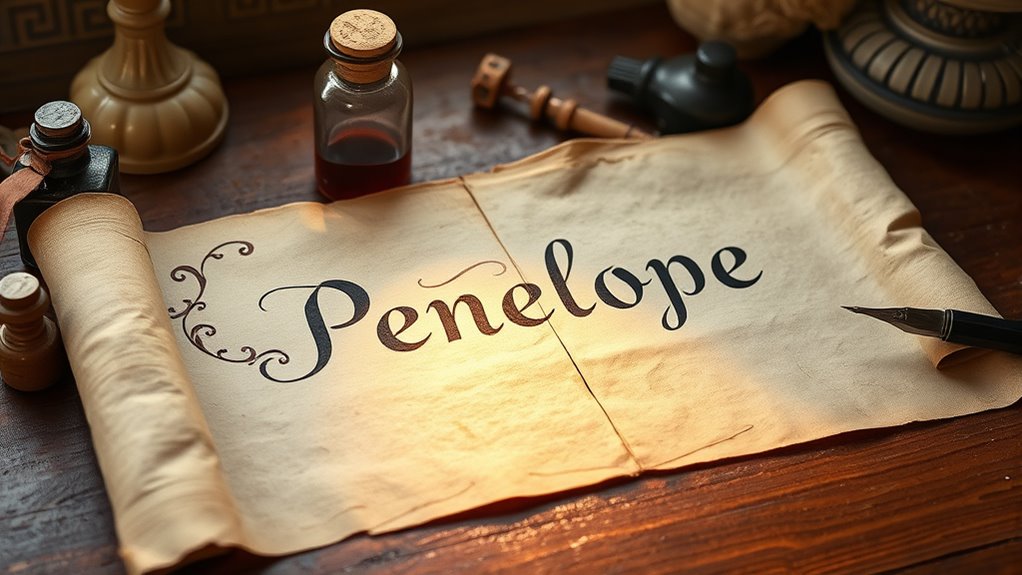
Have you ever wondered what the name Penelope truly means? Its etymology traces back to Greek origins, likely meaning “weaver” or “duck,” reflecting qualities of patience and cleverness. Today, the name’s popularity trends show a steady rise, especially in English-speaking countries. When you say Penelope, pronunciation is straightforward: puh-NEL-uh, but spelling can sometimes be confused with similar names. Here are four key points about its etymology and meaning: 1. Penelope is rooted in ancient Greek language and culture. 2. Its meaning is associated with weaving or a duck, symbolizing resourcefulness. 3. The name’s pronunciation remains consistent across regions. 4. Spelling variations are rare but include Penelopy or Penellopy. Recognizing the historical significance of the name enhances appreciation for its cultural roots and enduring popularity. Understanding these aspects helps you appreciate the rich history behind the name.
Historical Popularity and Cultural Significance
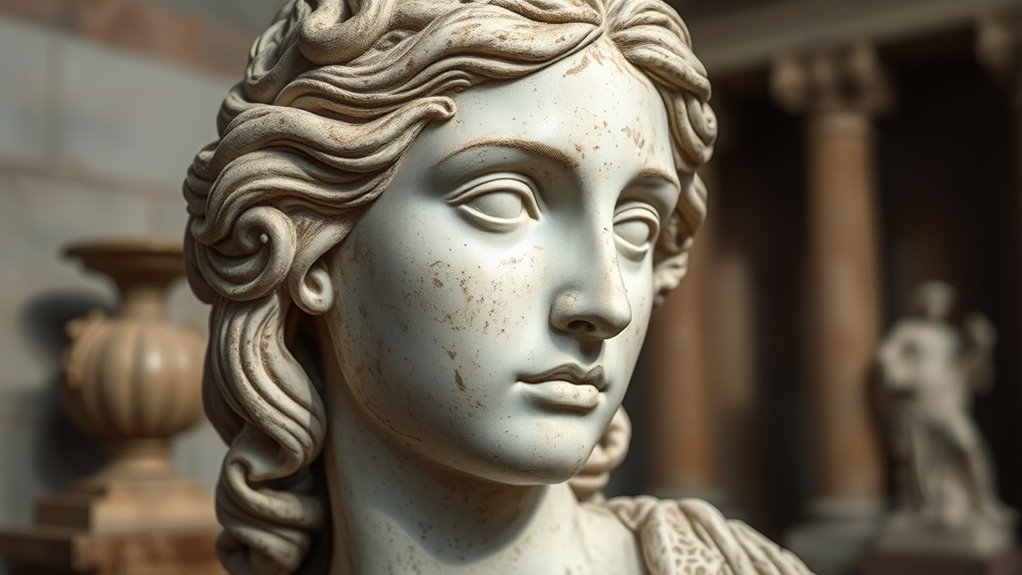
Throughout history, Penelope has maintained a reputation for resilience and cleverness, largely thanks to its association with the mythological figure from Greek mythology. This name has held cultural significance across ancient traditions, symbolizing faithfulness and wit. Famous historical figures have adopted or admired the name, emphasizing its enduring appeal. In ancient Greece, Penelope represented ideals of loyalty and patience, reinforcing its role within cultural traditions. During the Renaissance, the name experienced renewed popularity, often linked to literary and artistic achievements. Its cultural importance extends beyond mythology, influencing namesakes and characters in various societies. As a result, Penelope remains a symbol of intelligence and perseverance, echoing its deep-rooted presence in history and traditional values. Additionally, the cultural symbolism associated with Penelope has helped sustain its relevance in modern storytelling and personal naming choices.
Penelope in Literature and Media

Penelope’s story continues to inspire writers and filmmakers, shaping her image in various works. You’ll see her character evolve from Homer’s Odyssey to modern novels, films, and TV shows. These adaptations highlight her enduring symbolism of loyalty and cleverness across different media. Additionally, her story has been interpreted through the lens of ethical hacking, emphasizing the importance of strategy, patience, and resilience in overcoming challenges.
Penelope in Homer’s Odyssey
In Homer’s Odyssey, Penelope emerges as a symbol of fidelity and cleverness, embodying the ideal of unwavering loyalty amidst chaos. Her wit and patience in waiting for Odysseus highlight her strength. You can see her influence in modern naming trends and family naming traditions, where her name signifies loyalty and intelligence. Consider these aspects:
- Her strategies to delay her suitors with clever riddles.
- Her unwavering hope during years of Odysseus’s absence.
- Her role as a devoted wife and mother.
- Her influence on literary characters symbolizing loyalty.
Additionally, Penelope’s resilience and emotional endurance exemplify the traits associated with narcissistic traits, as her steadfastness remains a central theme in her portrayal.
Modern Literary Usage
The enduring qualities of Penelope’s character—her loyalty, cleverness, and patience—continue to inspire writers and creators today. In modern literature, Penelope often symbolizes unwavering fidelity and resilience, serving as a powerful literary symbolism for steadfastness in adversity. Contemporary usage highlights her as a figure of resourcefulness and emotional strength, especially in stories of waiting and loyalty. Authors draw on her character to explore themes of fidelity, perseverance, and clever problem-solving. Penelope’s influence extends beyond classical texts, appearing in novels, poetry, and even contemporary dramas as a metaphor for resilience during challenging times. Her portrayal resonates with readers who value perseverance and intelligence, making her a timeless archetype for anyone facing long-term struggles while remaining committed to their goals or loved ones. Additionally, her story emphasizes the importance of patience and hope, qualities that are central to meditation and emotional resilience practices.
Penelope in Film & TV
Have filmmakers and television writers found new ways to bring Penelope’s enduring qualities to life? Absolutely. Screen adaptations often emphasize her loyalty, patience, and cleverness through compelling character portrayals. In recent portrayals, you see her as a symbol of resilience, inspiring audiences with her unwavering devotion. Here are four ways they do this:
- Modern adaptations highlight her intelligence in navigating challenges.
- Screenwriters emphasize her emotional strength amid adversity.
- Visual storytelling captures her patience during Odysseus’s absence.
- Character portrayals often depict her as a symbol of fidelity and hope.
- Additionally, adaptations sometimes incorporate support hours and other real-world details to deepen her relatable qualities.
These creative choices make Penelope’s qualities relatable and timeless, resonating across generations and media formats.
Variations and Related Names

Many names similar to Penelope appear around the world, reflecting different cultures and languages. You’ll find variations and related names that carry unique meanings and pronunciations. Plus, nicknames and short forms make the name even more versatile and personal.
Similar Names Worldwide
Ever wondered how the name Penelope varies across cultures? You might find similar names or related versions that offer unique twists. Here are some examples:
- Penny – a common nickname and popular pet name, often used affectionately.
- Penelopé – a French variation with a different pronunciation that can help with name pronunciation tips.
- Pelagia – a Greek name linked in meaning, offering a distinct but related choice.
- Petra – a name with a similar rhythm, popular in many countries, and easy to pronounce. These variations make it fun to explore options across cultures. Whether choosing a name for a pet or a baby, understanding similar names worldwide can inspire your choice and help you pronounce names correctly.
Cultural Variations Explored
Exploring how the name Penelope transforms across cultures reveals a fascinating array of variations and related names. Cultural name adaptations often reflect regional naming trends, showcasing unique linguistic influences. For example, in Spain, it’s often Penélope, emphasizing accent marks, while in Italy, Penelope remains popular but with regional pronunciation differences. In Greece, the original form persists, honoring its mythological roots. Additionally, the cultural significance of the name varies, influencing its pronunciation and spelling in different regions. The table below highlights some regional variations:
| Region | Name Variant | Notable Features |
|---|---|---|
| Spain | Penélope | Accent marks, regional tone |
| Italy | Penelope | Italian pronunciation |
| Greece | Penelope | Mythological roots |
| English-speaking countries | Penelope | Popular in modern trends |
These adaptations demonstrate regional naming trends and how cultural influences shape the name’s evolution worldwide.
Nicknames and Short Forms
Have you ever wondered about the shorter forms or nicknames for Penelope? Many people opt for affectionate or casual variations, making the name easier to say. Common nicknames for Penelope include Penny, Nell, Nellie, and Poppy. These short forms and diminutives help create a more personal or playful tone. You might also encounter less typical options like Pep or Loppy, depending on preference. Using these variations allows for a variety of expressions of affection, familiarity, or uniqueness. Whether you prefer a simple abbreviation or a more creative nickname, these options reflect the versatility of the name Penelope. Additionally, exploring name adaptability can reveal how personal preferences influence nickname choices. Ultimately, the choice of short forms and diminutives depends on individual style and personality.
The Modern Appeal of the Name Penelope

What makes the name Penelope resonate so strongly in today’s world? Its symbolic representation of wisdom, creativity, and resilience appeals to modern name trends. People see Penelope as a timeless choice that balances tradition with contemporary flair. The name’s elegance and historical depth give it a unique charm, making it popular among parents seeking meaningful names. Its literary roots from Homer’s Odyssey add a layer of cultural richness, fueling its modern appeal. Additionally, the backyard greenhouse movement exemplifies how people are increasingly valuing sustainable and personalized spaces, much like the enduring appeal of the name Penelope.
Frequently Asked Questions
What Are Some Famous Historical Figures Named Penelope?
You might be interested to know that famous literary characters like Penelope from Homer’s Odyssey come to mind. While there aren’t many notable historical royal figures named Penelope, her character’s loyalty and wisdom have made her legendary. She symbolizes patience and fidelity, inspiring countless stories. Though not a royal herself, Penelope’s influence endures through literature and her archetype as a devoted wife, inspiring writers and readers alike.
How Has the Name Penelope Evolved Over Different Cultures?
You’ll see that the name Penelope has evolved through various cultures via cultural name adaptations and linguistic variations. In Greek, it remains fairly traditional, but in Spain, it becomes Penélope, and in France, Pénélope. These variations reflect local pronunciation and spelling, maintaining the name’s elegance while adapting to linguistic nuances. Over time, Penelope’s charm persists across cultures, showing its timeless appeal and versatility worldwide.
Are There Any Notable Fictional Characters Named Penelope Outside Greek Mythology?
You’ll find several famous fictional Penelopes beyond Greek mythology. For example, Penelope in modern literature often appears as a relatable, strong character, showcasing resilience and wit. In contemporary media, there are notable Penelopes in films, TV shows, and novels, representing diverse traits. These characters help keep the name relevant, blending classical roots with modern stories, making Penelope a timeless choice for writers and audiences alike.
What Are the Most Common Nicknames for Penelope?
You’ll find that the most common nicknames for Penelope include Penny, Nell, and Nelly. Variations of Penelope also include Penny Lane and Polo. These nicknames are popular because they’re easier to say and add a personal touch. If you’re looking for creative options, you might consider Poppy or Penni. Whichever you choose, these variations help personalize the name and make it uniquely yours.
How Has the Popularity of Penelope Changed in Recent Decades?
You’ll notice that Penelope’s popularity has surged in recent decades, driven by trends in baby naming and cultural influences on name popularity. You might see more parents choosing Penelope for its classic charm and elegance, often inspired by literature and pop culture. This upward trend reflects changing preferences, as people seek timeless, distinctive names. Overall, Penelope’s rise highlights how cultural shifts and media exposure shape name choices over time.
Conclusion
Imagine Penelope as a ship steering the vast sea of history and culture, her anchor rooted in myth and her sails catching winds of modern charm. Just like a timeless vessel, the name carries stories, strength, and elegance across ages. Embrace this enchanting name, knowing it’s a beacon guiding you through a rich tapestry of legend and legacy—forever a symbol of loyalty, wit, and grace in your life’s voyage.