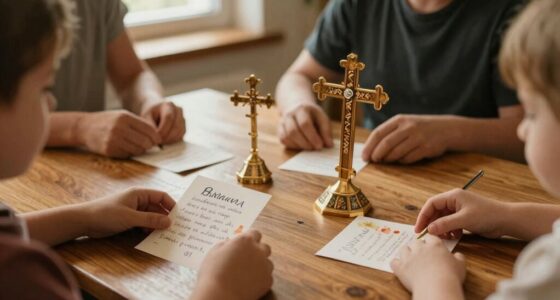
Yoruba naming ceremonies still matter in global families because they help you preserve your cultural identity and honor your ancestors, no matter where you live. These rituals bring family and community together, reinforcing your sense of belonging. Even when traditions adapt, the core meaning stays strong—passing down stories, values, and heritage. By maintaining these ceremonies, you keep your culture alive and vibrant across borders. Keep exploring to learn how these practices continue to connect generations worldwide.

Prime made for students and young adults
- Fast, free delivery for dorm and study essentials
- Prime Video and Amazon Music included
- Member-only deals
Key Takeaways
- They preserve cultural identity and heritage across generations, even in different countries.
- Naming ceremonies reinforce family bonds and ancestral connections worldwide.
- Adaptations ensure traditions remain meaningful while fitting new cultural environments.
- Rituals serve as a bridge linking ancestral roots with contemporary life.
- Maintaining these ceremonies fosters pride and continuity in a globalized world.

Have you ever wondered how Yoruba naming ceremonies adapt when families live across the globe? It’s a question many face as migration and globalization make cultural traditions more fluid. While physical distance might seem to threaten the authenticity of these rituals, the core significance remains strong. Yoruba naming ceremonies are more than just naming a child; they’re a essential act of cultural preservation and a reinforcement of family identity. When families adapt these ceremonies abroad, they often blend traditional elements with modern practices, making sure that the core values are passed down despite geographic separation. This ongoing effort helps keep their heritage vibrant and relevant, no matter where they call home.
Yoruba naming ceremonies adapt globally, blending tradition with modernity to preserve cultural identity across borders.
In global families, the importance of cultural preservation becomes even more evident. You might find that traditional songs, prayers, or rituals are modified slightly to fit the context of a different country or community. Yet, the essence of the ceremony—the invocation of ancestral blessings, the giving of a meaningful name—remains intact. By doing so, families reaffirm their roots and teach younger generations about their heritage. These adaptations don’t dilute the ceremony; instead, they demonstrate resilience and commitment to maintaining cultural identity across borders. This act of preservation guarantees that children grow up knowing not just their name but the stories, values, and history behind it. cultural resilience plays a crucial role in ensuring these traditions remain alive and meaningful, even as circumstances change.
Family identity plays a pivotal role in why Yoruba naming ceremonies are still meaningful today. When you participate in or observe these rituals, you’re witnessing a shared bond that ties generations together. It’s a celebration of lineage and community, a way to honor ancestors and affirm collective values. Even when families are scattered across continents, holding onto these ceremonies fosters a sense of belonging. Cultural adaptation also highlights how these traditions evolve while maintaining their core significance, ensuring they stay relevant in diverse settings. Recognizing the importance of cultural continuity helps families keep their traditions resilient and vibrant in the face of change. This resilience is strengthened by the intergenerational transmission of stories, names, and rituals, which helps preserve their meaning. It reminds everyone involved that, regardless of physical distance, they are part of a larger Yoruba family with a common history and cultural pride. This collective identity becomes a source of strength, offering stability and continuity amid the upheavals of migration.
In essence, Yoruba naming ceremonies remain relevant because they serve as a bridge between the past and present. They allow families to adapt to new environments while still honoring their heritage. By doing so, they preserve cultural practices that define who they are and where they come from. For you and your family, maintaining these traditions isn’t just about tradition—it’s about nurturing a sense of belonging and making certain that cultural identity endures through generations, no matter where life takes you.
Yoruba naming ceremony traditional items
As an affiliate, we earn on qualifying purchases.
As an affiliate, we earn on qualifying purchases.
Frequently Asked Questions
How Do Yoruba Naming Traditions Adapt in Non-Nigerian Cultures?
You notice Yoruba naming traditions adapt in non-Nigerian cultures by blending cultural preservation with tradition adaptation. You might incorporate Yoruba names into multicultural ceremonies, respecting their significance while blending local customs. You could also celebrate the naming with traditional rituals alongside modern practices, ensuring the cultural essence remains intact. This balance allows you to honor Yoruba heritage while embracing diverse cultural expressions, keeping the tradition alive in a globalized world.
Are Yoruba Naming Ceremonies Legally Recognized Internationally?
Yoruba naming ceremonies aren’t automatically recognized under international laws, as legal recognition depends on local laws and registration processes. When you hold a Yoruba naming ceremony abroad, it’s essential to guarantee the event complies with the country’s legal requirements, like registering the birth and name with local authorities. While the cultural significance remains, official recognition of the ceremony itself varies globally and often requires additional documentation.
How Do Yoruba Families Choose Godparents for Naming Ceremonies Abroad?
Choosing godparents for a Yoruba naming ceremony abroad is like planting seeds of cultural legacy across miles. You look for individuals who embody the values and traditions that matter most, ensuring they serve as guiding stars. The cultural significance is profound—they become spiritual anchors and guardians of your child’s identity. You trust those who will nurture your child’s connection to Yoruba roots, nurturing faith, tradition, and love across borders.
What Are Common Challenges in Maintaining Yoruba Naming Customs Globally?
You face challenges in maintaining Yoruba naming customs globally, like balancing cultural preservation with modern lifestyles. Community engagement becomes essential, as it helps keep traditions alive through involvement and shared experiences. You might find it difficult to connect with elders or find authentic materials abroad. Nonetheless, active participation in cultural groups and family efforts guarantee these customs continue, strengthening your bond to Yoruba heritage despite geographical distances.
Can Yoruba Naming Ceremonies Be Personalized for Mixed Cultural Families?
Yes, Yoruba naming ceremonies can be personalized for mixed cultural families. You can incorporate cultural fusion by blending traditional Yoruba rituals with elements from other cultures, making the event meaningful for everyone. Personalization options include choosing unique names that reflect multiple heritages, adapting rituals to honor diverse traditions, and including special symbols or foods from different backgrounds. This approach helps preserve cultural identity while celebrating your family’s diversity.
African cultural name blessing kit
As an affiliate, we earn on qualifying purchases.
As an affiliate, we earn on qualifying purchases.
Conclusion
You see, Yoruba naming ceremonies connect you to your roots, honor your heritage, and celebrate new life. They remind you of identity, tradition, and community. They foster a sense of belonging, respect, and continuity. They bridge generations, preserve culture, and honor ancestors. In a global family, these ceremonies aren’t just rituals—they’re a reaffirmation of who you are, where you come from, and where you’re going. They matter because they define you, connect you, and sustain you.
As an affiliate, we earn on qualifying purchases.
ancestral blessing ceremony supplies
As an affiliate, we earn on qualifying purchases.
As an affiliate, we earn on qualifying purchases.
Fall Picks
fall essentials
As an affiliate, we earn on qualifying purchases.