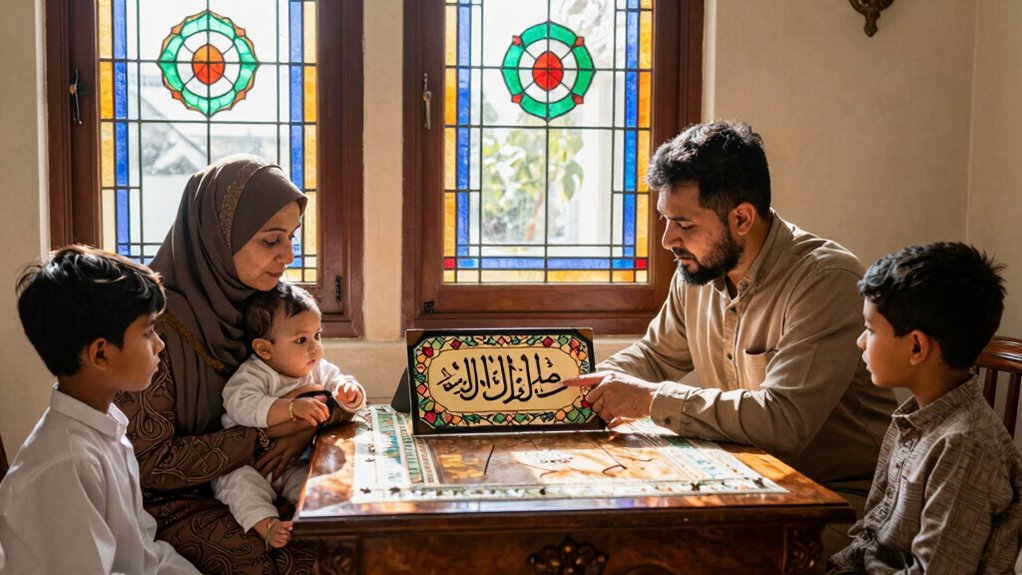

When choosing names that reflect mercy and patience, Muslim families often look to religious texts, historical figures, and Arabic roots to find meaningful options. They pick names like Rahim or Sabir, which embody these virtues and serve as lifelong reminders of moral qualities to develop. Cultural heritage and modern influences also shape these choices, blending tradition with contemporary preferences. If you want to understand how these meaningful names influence character and identity, keep exploring the significance behind them.

Prime made for students and young adults
- Fast, free delivery for dorm and study essentials
- Prime Video and Amazon Music included
- Member-only deals
Key Takeaways
- Muslim families select names from religious texts that embody virtues like mercy and patience, such as Rahim and Sabir.
- Names are chosen to reflect moral values and cultural heritage, reinforcing virtues in daily life.
- Traditional names with deep spiritual significance are preferred to inspire lifelong virtuous qualities.
- Modern naming trends blend traditional virtues with contemporary, socially accessible names.
- The significance of names is rooted in religious, cultural, and moral importance, shaping identity and character.

Choosing a name that reflects mercy and patience can serve as a meaningful reminder of these virtues in everyday life. When you pick a name for your child, you’re not just choosing a label; you’re selecting a symbol of desired qualities that can influence their character and how they’re perceived. Cultural influences on naming play a significant role here. In many Muslim communities, names often draw from religious texts, historical figures, and Arabic roots, emphasizing traits like compassion, mercy, and patience. For example, names like Rahim (Merciful) or Sabir (Patient) carry deep spiritual significance and serve as daily reminders of divine attributes. These choices are rooted in a rich tradition where names are believed to shape identity and moral development. You might find that within different cultural contexts, certain names become popular because of local customs, historical figures, or community values, but the core idea remains the same: names are a way to embody virtues.
In modern times, trends in Muslim naming practices have evolved, blending tradition with contemporary influences. Many parents now look for names that resonate both spiritually and socially, choosing those that are easy to pronounce and culturally adaptable. This trend reflects a desire to maintain religious and cultural identity while also embracing a globalized world. For instance, some might opt for names like Amin (Trustworthy), which are rooted in Islamic tradition but also sound modern and accessible. You may notice that parents now often combine traditional names with modern ones or choose names inspired by virtues like mercy and patience to promote these qualities in their children. Social media and increased connectivity have also introduced new naming trends, making it easier to discover unique names that reflect values like compassion and perseverance. Additionally, understanding the cultural significance of names can deepen the meaningfulness behind your choice. Recognizing the role of religious texts in shaping these naming traditions can help you appreciate the spiritual depth behind the names you consider. Moreover, these naming traditions often serve as a reflection of community morals and cultural identity, influencing how names are selected and valued across generations. Ultimately, these modern trends allow you to honor your cultural heritage while also embracing a global outlook.
As you navigate the process of naming your child, remember that these choices are deeply personal yet rooted in broader cultural and religious traditions. Combining cultural influences on naming with modern trends in Muslim naming practices gives you a rich palette of options. Your choice can serve as a powerful message to your child—reminding them daily of the virtues you hope they embody. Whether you lean toward traditional names steeped in history or contemporary choices inspired by current trends, the key is selecting a name that continuously encourages mercy and patience. Your child’s name can be more than just a label; it can be a lifelong inspiration rooted in faith, culture, and hope for their character.
As an affiliate, we earn on qualifying purchases.
Frequently Asked Questions
Are There Specific Islamic Texts That Emphasize Mercy and Patience in Names?
Yes, Islamic texts emphasize mercy and patience in names through Quranic virtues and historical figures embodying mercy. You’ll find names derived from Quranic virtues like Rahim (Merciful) and Sabir (Patient), which reflect divine qualities. Historical figures like Prophet Muhammad, known for his mercy, inspire these names. By choosing such names, you connect your child’s identity with divine mercy and patience, reinforcing these essential virtues in daily life.
How Do Cultural Differences Influence Name Choices for Mercy and Patience?
Cultural differences greatly influence how you choose names reflecting mercy and patience. Regional linguistic influences shape name options, making certain names more popular in specific areas, while cultural naming customs guide your decision to honor local traditions. You might select names rooted in regional languages or religious texts that symbolize mercy and patience, ensuring your child’s name aligns with cultural values and regional identity, creating a meaningful connection to your heritage.
Can Non-Muslim Influences Affect Naming Practices Related to Mercy and Patience?
Think of naming as a river flowing from many sources. Non-Muslim influences, like interfaith perspectives and modern media, can shape naming trends, blending traditional values with new ideas. These influences act like tributaries, enriching the flow of choices. They introduce names reflecting mercy and patience from various cultures, inspiring families to select meaningful names that honor shared virtues, creating a diverse tapestry rooted in empathy and understanding across different communities.
Are There Traditional Ceremonies Associated With Naming Children for Mercy and Patience?
You’ll find that traditional naming ceremonies often involve specific rituals symbolizing mercy and patience, such as reciting prayers or blessings. Family involvement is essential, with relatives participating actively in these naming rituals to honor the child’s new identity. These ceremonies serve as a meaningful way to welcome the child and instill values of mercy and patience from the start, creating a deep spiritual connection that lasts a lifetime.
How Do Parents Choose Between Similar Names That Reflect Mercy and Patience?
Choosing meaningful names is like selecting the right key for a special lock. You weigh parental preferences, considering which name best embodies mercy or patience. If two names are similar, you reflect on their nuances, perhaps asking elders for guidance. Ultimately, you pick the one that resonates most deeply with your values and hopes for your child’s character, ensuring the name aligns with your vision for their future.
As an affiliate, we earn on qualifying purchases.
Conclusion
Just as a gardener carefully tends to each delicate flower, you select names that embody mercy and patience, nurturing these virtues within your family’s soul. These names become seeds of kindness and resilience, blooming through generations like a timeless garden. When you choose names with heartfelt intention, you create a legacy of compassion that weaves through daily life, guiding your loved ones like a gentle breeze—steadfast, nurturing, and eternal.
As an affiliate, we earn on qualifying purchases.
Names reflecting virtues like mercy and patience
As an affiliate, we earn on qualifying purchases.
As an affiliate, we earn on qualifying purchases.
Halloween Picks
halloween
As an affiliate, we earn on qualifying purchases.