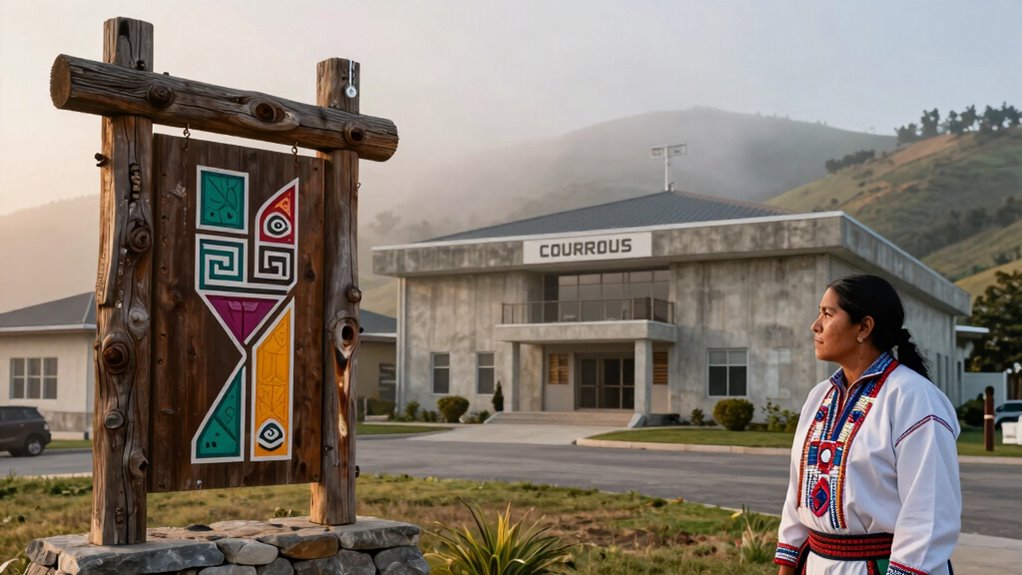

You need to understand that restoring Indigenous names involves working within legal systems that often pose challenges, like complex procedures and bureaucratic resistance. Laws and policies are evolving to recognize the cultural and sovereignty significance of these names, requiring community efforts such as petitions and negotiations. By engaging with legal frameworks, you support efforts to legitimize Indigenous identities and land connections, helping to promote cultural preservation. To discover how legal reforms are shaping this movement, keep exploring these topics further.

Prime made for students and young adults
- Fast, free delivery for dorm and study essentials
- Prime Video and Amazon Music included
- Member-only deals
Key Takeaways
- Modern legal systems often require complex procedures for officially changing names, creating barriers for Indigenous name restoration.
- Legal recognition of Indigenous names can reinforce cultural rights and support sovereignty claims.
- Advocacy and legal reforms are necessary to address bureaucratic hurdles and align laws with Indigenous self-determination.
- Courts and governments are increasingly acknowledging the importance of restoring Indigenous names as a matter of cultural justice.
- Legal frameworks can serve as tools to preserve Indigenous heritage and integrate traditional names into official records.
Restoring Indigenous names through modern law has become a powerful way to acknowledge cultural identity and historical injustices. When you see a community reclaiming its original place names, it’s more than just a symbolic gesture—it’s a declaration of identity, resilience, and respect for cultural significance. These names carry stories, traditions, and connections to land that have often been erased or ignored through colonization and forced assimilation. By officially restoring them, you help preserve an essential part of Indigenous heritage, guaranteeing future generations can maintain that link to their ancestors and history.
However, steering this process isn’t without legal challenges. Governments and courts often have complex procedures for changing official names, and these can be obstacles that slow or complicate efforts. Legal systems tend to prioritize existing statutes, land records, and administrative procedures, which may not always recognize or prioritize Indigenous naming rights. You might encounter resistance rooted in bureaucratic inertia or conflicting interests, especially when land titles or maps need updating. These legal challenges can seem intimidating, but they also highlight the importance of advocacy and legal reform aimed at respecting Indigenous sovereignty. Understanding the legal frameworks that govern these processes can help communities navigate and potentially overcome these hurdles.
The cultural significance of restoring Indigenous names isn’t just about reclaiming land; it’s about affirming a community’s right to define itself on its own terms. When you support or engage in these efforts, you’re helping to challenge the historical marginalization of Indigenous peoples. These names symbolize sovereignty, cultural continuity, and a refusal to forget the past. Restoring them often involves consultations with Indigenous communities, legal petitions, and sometimes negotiations that reflect the community’s desires and traditions. This process is essential because it acknowledges that cultural identity isn’t just about language or stories; it’s embedded in the very names that mark the land. Furthermore, recognizing the legal and cultural significance of these names underscores their importance beyond mere symbolism, emphasizing their role in ongoing efforts for Indigenous self-determination. Additionally, legal recognition of these names can serve as a catalyst for broader policy change that supports Indigenous rights and sovereignty.
Despite the legal hurdles, many jurisdictions are increasingly recognizing the importance of Indigenous name restoration. Laws are evolving, and courts are beginning to see the cultural and legal importance of these efforts. Your role can be to support these legal reforms, raise awareness, and advocate for policies that respect Indigenous rights. Restoring Indigenous names isn’t just a legal act; it’s a profound statement of respect and recognition. It signifies that the land’s history is acknowledged, and the cultural significance of these names is preserved for generations to come. Through persistent effort and legal innovation, you can help guarantee that Indigenous names are not just symbols but essential parts of living cultural identities.
Indigenous name restoration legal guide
As an affiliate, we earn on qualifying purchases.
As an affiliate, we earn on qualifying purchases.
Frequently Asked Questions
How Do Courts Verify Indigenous Name Authenticity?
You can verify Indigenous name authenticity by examining historical records, community endorsements, and personal testimonies, which all hold cultural significance. Courts prioritize these elements to guarantee identity preservation and respect the name’s cultural roots. They may also consult indigenous organizations or elders to validate the name’s origins. This process helps protect the cultural importance of the name, affirming its authenticity and supporting the individual’s connection to their heritage.
Are There International Laws Supporting Indigenous Name Rights?
Like UNESCO’s call for cultural recognition, international laws support indigenous name rights, emphasizing identity preservation. You’ll find treaties like the UN Declaration on the Rights of Indigenous Peoples advocating for these rights, recognizing their importance in maintaining cultural heritage. These laws aim to empower communities, ensuring their names and identities are respected and protected globally, fostering a deeper respect for indigenous cultures and their unique histories.
What Challenges Exist in Changing Official Documents?
You’ll face challenges in changing official documents because of legal and bureaucratic hurdles that can hinder cultural identity and community recognition. You may need to navigate complex paperwork, prove cultural significance, and gain government approval, which can be time-consuming and emotionally taxing. These obstacles often reflect broader systemic issues, requiring persistent advocacy and legal reforms to guarantee that indigenous names are officially recognized, preserving cultural identity and fostering community recognition.
How Do Indigenous Communities Fund Name Restoration Efforts?
You can fund indigenous name restoration efforts through community fundraising and applying for governmental grants. Community fundraising involves organizing events, campaigns, and soliciting donations from members and supporters. Governmental grants provide financial support from local, regional, or national agencies dedicated to cultural preservation. Combining these methods helps indigenous communities secure the necessary resources to restore and officially recognize their traditional names, fostering cultural pride and legal acknowledgment.
Can Individuals Legally Revert to Traditional Names Without Legal Action?
Yes, you can often revert to your traditional name without legal action, especially if your community recognizes it informally. Doing so strengthens your cultural identity and fosters personal empowerment. However, for official documents or legal recognition, you might need to follow legal procedures. Ultimately, embracing your traditional name can be a powerful step toward reconnecting with your heritage and asserting your cultural identity in daily life.
cultural heritage preservation books
As an affiliate, we earn on qualifying purchases.
As an affiliate, we earn on qualifying purchases.
Conclusion
Think of restoring Indigenous names as planting seeds in a garden long neglected. Each name reclaimed is a blossom returning to its rightful place, enriching the landscape of law and culture. As you nurture these roots, you help grow a forest where history and modernity intertwine, creating a vibrant, resilient canopy. By supporting this process, you’re not just planting names—you’re cultivating a future where every branch tells a story worth hearing.
Indigenous land rights legal resources
As an affiliate, we earn on qualifying purchases.
As an affiliate, we earn on qualifying purchases.
indigenous cultural identity books
As an affiliate, we earn on qualifying purchases.
As an affiliate, we earn on qualifying purchases.
Columbus Day / Indigenous Peoples' Day Picks
long weekend sales
As an affiliate, we earn on qualifying purchases.