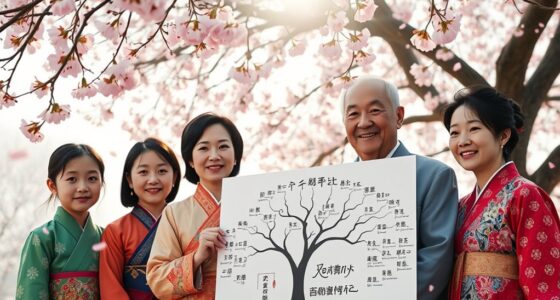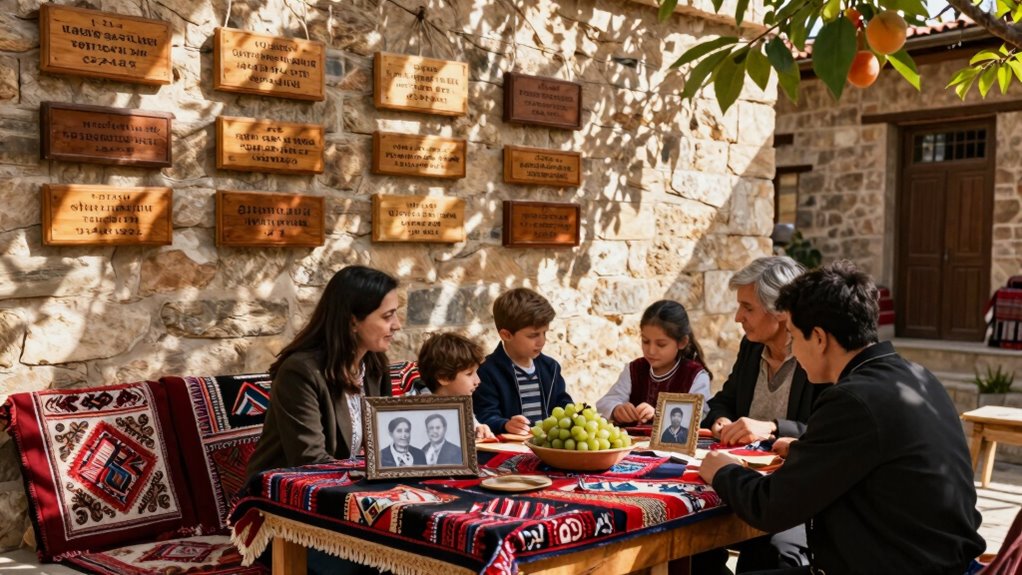

Armenian names are rich with meaning, often honoring saints, ancestors, or virtues that connect you to deep cultural and religious traditions. They reflect family heritage through customs like elder-selected names and ceremonies, strengthening bonds across generations. Modern influences blend traditional and international options, creating unique choices that honor history while embracing change. Understanding these naming principles helps you appreciate Armenia’s enduring culture—you’ll discover even more about this fascinating heritage as you continue exploring.

Prime made for students and young adults
- Fast, free delivery for dorm and study essentials
- Prime Video and Amazon Music included
- Member-only deals
Key Takeaways
- Armenian names often carry religious, historical, and familial meanings, connecting individuals to saints, ancestors, or cultural figures.
- Naming customs emphasize respect for tradition through ceremonies and the inheritance of family names to honor heritage.
- Names embody virtues and spiritual connections, helping preserve Armenian cultural identity across generations.
- Modern influences lead to a mix of traditional and international names, reflecting globalization and personal preferences.
- Naming principles focus on balancing meaningful, culturally rooted names with contemporary trends for individual identity.
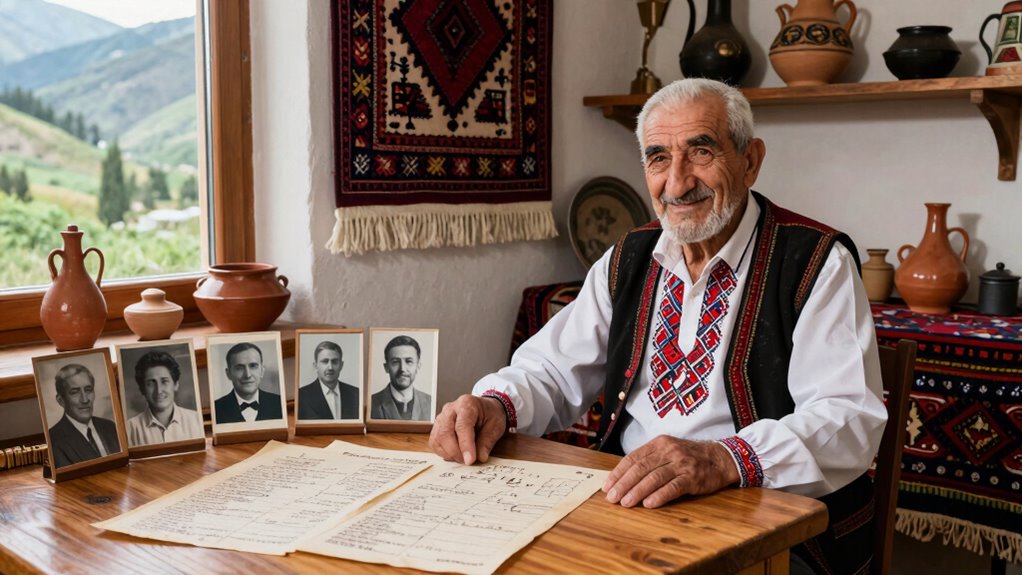
Exploring Armenian names and family heritage can seem complex at first, but understanding the basics reveals a rich tapestry of history and culture. Armenian names often carry deep meaning, rooted in centuries-old traditions that reflect religious, historical, and familial significance. Traditional naming customs usually involve giving children names that connect them to saints, ancestors, or important cultural figures. For example, many boys are named after saints like Grigor or Vardan, while girls might bear names like Anahit or Nare. These names aren’t chosen randomly; they embody virtues, hopes, or spiritual connections, passing down cultural identity through generations.
You’ll notice that family heritage plays an essential role in naming patterns. It’s common for children to inherit a family name or for names to honor relatives, especially grandparents or revered ancestors. In some communities, the naming process involves a ceremony where elders select a name, emphasizing respect for tradition. This process helps preserve cultural continuity and strengthens family bonds, giving each name a story that ties individuals to their lineage. The importance of cultural continuity remains a vital aspect of maintaining Armenian identity across generations. Additionally, the significance of family bonds is often reinforced through these naming practices, emphasizing the collective nature of Armenian society. Recognizing the importance of name inheritance can deepen appreciation for how personal identity is intertwined with history and family.
However, modern influences are increasingly shaping Armenian names today. You might find parents choosing more contemporary or international-sounding names alongside traditional ones. This shift is partly due to globalization, increased mobility, and the desire for names that are easy to pronounce outside Armenia. While traditional names remain popular, many Armenians now blend old and new, creating unique combinations that honor heritage while embracing modern trends. For instance, a boy might be named Levon, but with a more modern middle name, or a girl might have a traditional name like Lusine paired with a Western-influenced middle name. These influences reflect the evolving identity of Armenians, especially those living abroad or in multicultural environments. This blending of naming styles can sometimes lead to cultural adaptations that reflect individual and community identities.
Despite these changes, the core principles of Armenian naming customs often persist. Many families still hold onto the idea that a name should carry meaning and connect the individual to their cultural roots. Even when influenced by modern trends, names are chosen with care, aiming to balance tradition and personal identity. As you explore Armenian names, you’ll see how history, faith, and family heritage intertwine, creating a meaningful naming culture that adapts to the times without losing its soul. Understanding this blend of tradition and modernity gives you a clearer picture of how Armenians preserve their heritage while steering through a changing world.
As an affiliate, we earn on qualifying purchases.
Frequently Asked Questions
How Do Armenian Surnames Reflect Regional Origins?
Armenian surname origins often reveal regional variations, helping you trace your family’s roots. Surnames ending in “-ian” or “-yan” are common across Armenia, but specific prefixes or suffixes can point to particular regions. For example, surnames like “Mkhitarian” are linked to certain areas. By understanding regional variations in Armenian surnames, you can uncover more about your ancestors’ geographic origins and cultural influences within Armenia.
What Are Common Armenian Naming Customs for Newborns?
You typically participate in naming ceremonies, called “Aybale,” which celebrate your newborn’s arrival and honor cultural influences. During these ceremonies, you choose a meaningful name, often reflecting family traditions or religious beliefs. It’s common for names to honor ancestors or saints, emphasizing cultural pride. The process involves community participation, making it a joyful event that strengthens family bonds and preserves Armenian heritage for your child’s future.
How Are Armenian Family Trees Traditionally Documented?
You might think documenting family trees is simple, but Armenian tradition weaves history with cultural influences in a fascinating way. You’ll find that families often preserve their lineage through detailed records, oral histories, and church documents, reflecting a rich blend of faith and heritage. These methods guarantee that each generation’s story remains alive, blending history and culture into a tapestry that’s carefully maintained, almost like a treasured family secret.
What Is the Significance of Patronymic Naming in Armenia?
Patronymic naming in Armenia holds great significance because it emphasizes family lineage and heritage. You follow patronymic traditions by using the father’s name as part of your surname, which connects you to your ancestors. This practice helps preserve family history, reinforces cultural identity, and honors your lineage. By maintaining these traditions, you keep your family’s legacy alive and guarantee future generations understand their roots.
How Has Armenian Naming Evolved in the Diaspora?
Think of Armenian naming traditions in the diaspora as a river flowing through new terrains; they adapt yet retain their roots. Modern influences on Armenian names have introduced more diverse, global elements, blending tradition with innovation. You notice this in how families choose names reflecting contemporary cultures while honoring heritage. This evolution allows Armenian identity to flourish across borders, creating a vibrant tapestry that respects history while embracing change.
traditional Armenian name jewelry
As an affiliate, we earn on qualifying purchases.
As an affiliate, we earn on qualifying purchases.
Conclusion
As you uncover the layers of Armenian names and family heritage, you realize there’s more than meets the eye. Every name holds a story, a secret history waiting to be revealed. But what hidden truths lie beneath these traditions? Your journey has just begun, and the real discoveries are still ahead. Keep exploring, because the deeper you go, the more you’ll uncover about your roots — and the surprises they hold for you.
Armenian family heritage photo frame
As an affiliate, we earn on qualifying purchases.
As an affiliate, we earn on qualifying purchases.
As an affiliate, we earn on qualifying purchases.
Columbus Day / Indigenous Peoples' Day Picks
long weekend sales
As an affiliate, we earn on qualifying purchases.