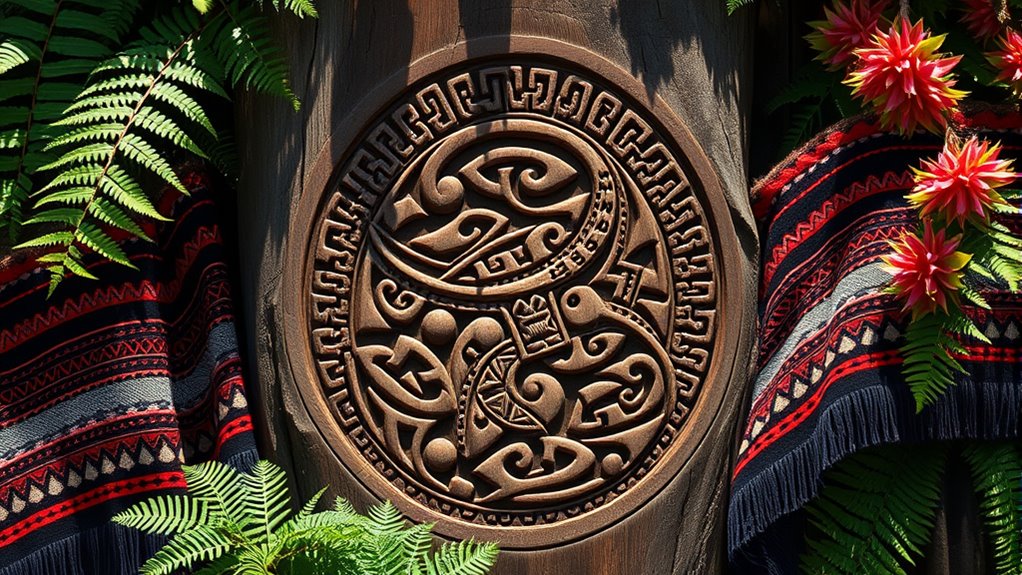

Māori names are rich with meaning, embodying history, spirituality, and genealogy. They often highlight virtues, natural elements, and ancestral stories, strengthening your connection to heritage. These names reflect whakapapa, linking individuals to ancestors and land, and symbolize cultural identity and values. Understanding these names reveals their spiritual significance and stories behind them. If you explore further, you’ll discover how these names preserve Māori traditions and honor their ancestors across generations.
Key Takeaways
- Māori names reflect whakapapa, linking individuals to ancestors, land, and cultural history through storytelling and oral traditions.
- Names often embody natural elements, virtues, or spiritual qualities, symbolizing connections to whenua and ancestral stories.
- Proper pronunciation and understanding of Māori names preserve cultural heritage and support language revitalization efforts.
- Naming ceremonies are significant events that reinforce identity, mana, and community bonds rooted in Māori customs.
- Respecting traditional naming conventions honors Māori sovereignty and ensures the preservation of cultural and genealogical meanings.
The Significance of Māori Naming Traditions

Māori naming traditions hold deep cultural significance because names carry the history, identity, and spiritual essence of a person. Traditional naming ceremonies are an essential part of this process, often involving family gatherings, karakia (prayers), and storytelling to honor ancestors and land. These ceremonies mark a special moment when a child receives a name that reflects their whakapapa and cultural ties. Understanding the importance of cultural identity helps to appreciate how names serve as a vital connection to Māori heritage. Today, modern naming practices have adapted, blending Māori customs with contemporary influences. While some families still hold traditional ceremonies, others choose to incorporate Māori names into everyday life without formal rituals. Regardless of the method, the core purpose remains the same: to connect individuals to their heritage and ensure the enduring importance of Māori identity through names.
Common Elements and Themes in Māori Names

Have you ever noticed how many Māori names reflect meaningful themes or qualities? These naming patterns often highlight virtues like strength, beauty, or connection to nature. You’ll see names inspired by natural elements such as rivers, mountains, or winds, emphasizing a person’s relationship with their environment. Linguistic influences from Te Reo Māori shape these names, often blending sounds and words to create unique meanings. Common themes include whakapapa, ancestors, and positive attributes like mana (prestige) or aroha (love). Names may also incorporate poetic imagery or stories, reinforcing cultural values. These elements work together to craft names that are both personal and deeply rooted in Māori identity, reflecting a rich tradition of storytelling and symbolic significance. Additionally, understanding cultural naming practices can deepen appreciation for the significance behind Māori names and their enduring cultural importance.
The Role of Names in Māori Whakapapa and Identity
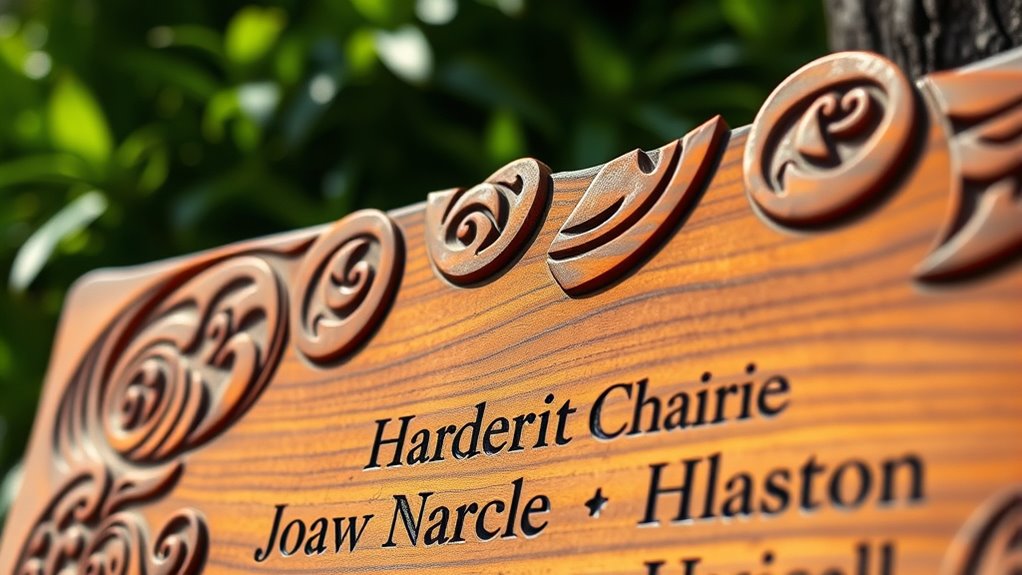
Names in Māori culture serve more than just identifiers; they are essential links to whakapapa, the ancestral genealogies that define a person’s place within their community and history. Through intergenerational transmission, names carry stories, mana, and connections to ancestors, reinforcing cultural identity. During naming ceremonies, often held to mark significant life events, names are carefully chosen to reflect whakapapa, honor ancestors, or convey aspirations. These ceremonies strengthen your sense of belonging and cultural continuity, ensuring that names and their meanings remain alive across generations. By preserving and passing down names, you uphold your heritage and maintain your place within the wider whakapapa, reinforcing your identity as part of your Māori community and its rich history. Additionally, ancestral connections are embedded within names, providing a living link to the past that continues to influence identity today.
Understanding the Cultural and Spiritual Meanings

Understanding the cultural and spiritual meanings behind Māori names reveals their deep significance beyond mere labels. Through oral storytelling, these names carry stories, ancestors, and histories that connect individuals to their whakapapa. Each name embodies spiritual symbolism, representing qualities, natural elements, or sacred places that hold cultural importance. When you learn a Māori name, you’re not just understanding its literal meaning but also absorbing the spiritual essence and stories it conveys. These names serve as a bridge to Māori worldview, emphasizing the interconnectedness of people, nature, and spirituality. Recognizing the importance of whakapapa helps to deepen appreciation for how Māori names function as living symbols, preserving cultural identity and spiritual heritage across generations.
Notable Māori Names and Their Stories

Among the most revered Māori names are those rooted in legendary stories, ancestral heroes, and sacred places that hold deep cultural significance. These names often have powerful origins, passed down through generations, and reflect whakapapa and identity. You might learn that some names come from Māori myths or notable ancestors, carrying stories of bravery or spiritual importance. During naming ceremonies, called tangihanga or pōwhiri, these names are carefully chosen to honor tradition and lineage. The origins of these names reveal much about Māori history and values, connecting individuals to their ancestors and land. Additionally, understanding the cultural significance of these names helps preserve Māori heritage and maintain their unique identity through meaningful name choices.
Preserving and Respecting Māori Naming Heritage
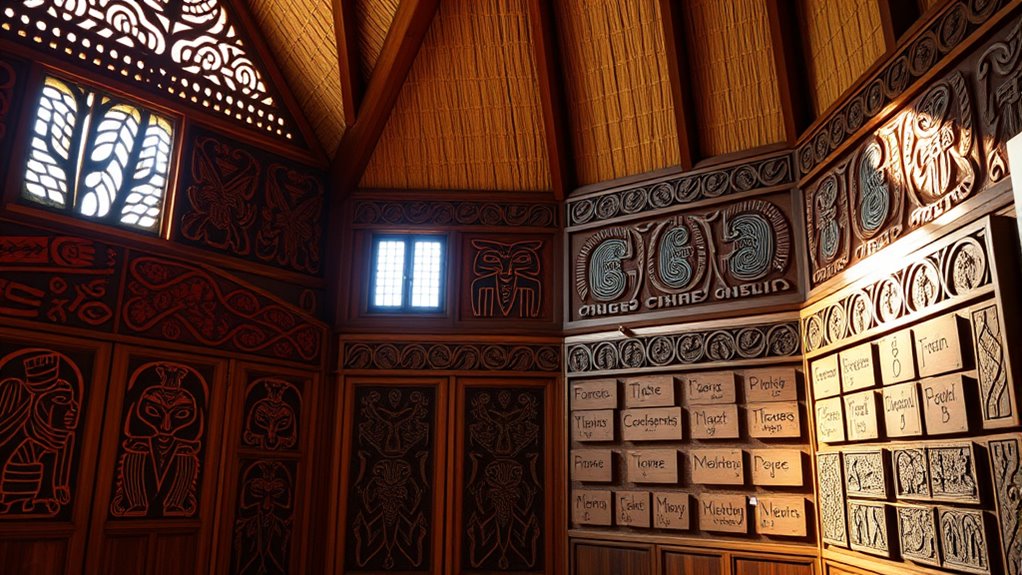
Preserving and respecting Māori naming heritage is essential to maintaining the cultural identity and traditions of Māori communities. Engaging in language revitalization helps ensure Māori names remain vibrant and meaningful, passing down stories and values. Respecting geographic naming conventions, such as correctly pronouncing and using Māori place names, honors the significance of whenua (land) and whakapapa (genealogy). When you acknowledge these conventions, you support the preservation of Māori language and culture. It is also important to understand the meaning behind Māori names, which often reflect important stories, histories, or natural features. When you acknowledge these conventions, you support the preservation of Māori language and culture. It’s crucial to challenge mispronunciations and inaccuracies, demonstrating respect for Māori sovereignty over their names. By actively promoting correct usage, you help keep Māori naming traditions alive, fostering a deeper understanding and appreciation of Māori heritage for future generations.
Frequently Asked Questions
How Are MāOri Names Chosen for Newborns Today?
You choose Māori names for newborns through meaningful naming ceremonies that honor cultural significance. Often, family, whānau, or community members suggest names based on whakapapa, ancestors, or natural elements. These ceremonies, called pōwhiri or whakawātea, celebrate the child’s identity and connection to their heritage. Name selections reflect values, aspirations, or stories, ensuring the name carries deep cultural importance and sets a foundation for the child’s Māori identity.
Do MāOri Names Have Specific Pronunciation Rules?
Yes, Māori names have specific pronunciation rules you should follow. You need to pay attention to pronunciation guidelines that include clear vowel sounds and consonant emphasis. Be aware of phonetic variations, especially with vowels like ‘a,’ ‘e,’ ‘i,’ ‘o,’ and ‘u,’ which can change based on context. Practicing these rules helps you pronounce Māori names correctly, respecting cultural significance and ensuring proper communication.
Can Non-MāOri Individuals Adopt MāOri Names Officially?
You can officially adopt Māori names, but it’s like planting a seed—you must respect its cultural significance and seek proper approval. Non-Māori individuals often do this through legal processes, ensuring recognition respects Māori customs. In New Zealand, the Births, Deaths, and Marriages Act allows name changes, but adopting a Māori name requires understanding its whakapapa and cultural meaning, honoring the deep connection to Māori identity and ensuring legal recognition respects this heritage.
What Are Common Misconceptions About MāOri Naming Practices?
You might think Māori naming practices are purely traditional, but they’ve evolved with modern adaptations. A common misconception is that all Māori names are sacred or exclusive, but many are used widely today, reflecting cultural significance. People often assume only Māori can use these names, yet they’re becoming more popular globally. Remember, respecting their cultural roots is essential, even as names adapt to contemporary times.
How Do MāOri Names Influence Personal and Community Identity?
Imagine you’re living in a world where your name carries the weight of history and tradition, like a modern-day hero’s badge. Māori names hold deep cultural significance, shaping your personal identity and strengthening community bonds. They connect you to ancestors and history, fostering pride and belonging. By embracing these names, you contribute to a sense of collective identity, keeping Māori culture vibrant and united for generations to come.
Conclusion
By understanding Māori names, you connect with a rich tapestry of history and identity, like holding a delicate, precious treasure. Respecting these traditions keeps their stories alive, honoring ancestors and cultural roots. Your appreciation helps preserve this vibrant heritage for future generations, ensuring their voices continue to resonate. Embrace this knowledge with care, for it’s a bridge that links past and present, weaving a tapestry as enduring and meaningful as the land itself.
Fall Picks
fall essentials
As an affiliate, we earn on qualifying purchases.