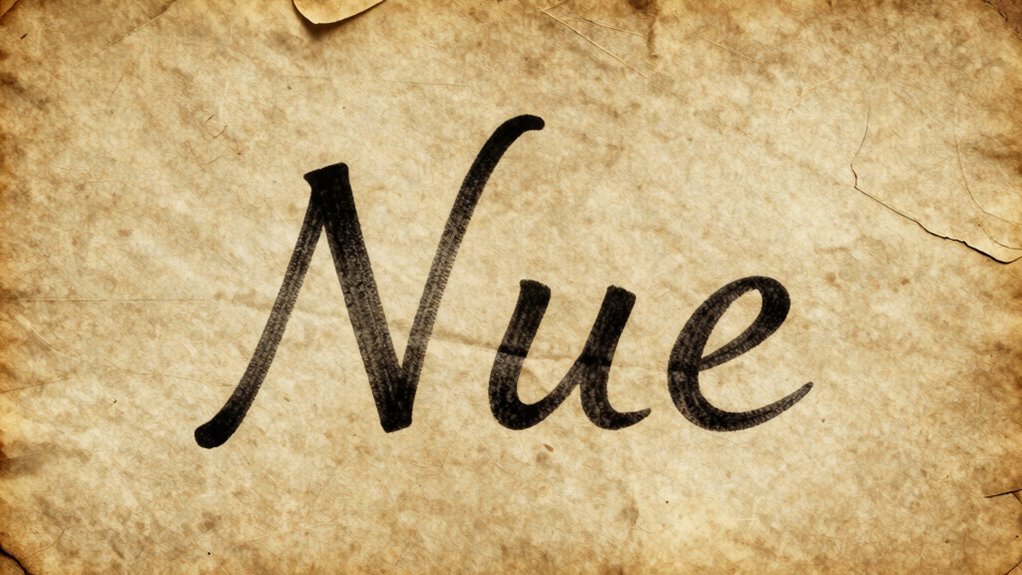

Missing an accent mark can drastically change how a name is pronounced, understood, and perceived, affecting personal and cultural identity. Accents carry meaning, history, and pride, especially in Romance languages, and their absence can cause misunderstandings or misrepresentations. This simple mark preserves pronunciation and connects individuals to their heritage. Ignoring accents risks erasing parts of a person’s story. If you want to uncover more about this crucial aspect of names, keep exploring how accents shape identity.
Key Takeaways
- A missing accent can alter the pronunciation and meaning of a name, affecting its cultural authenticity.
- Omitting an accent erases part of a person’s linguistic and cultural heritage.
- Without accents, names may be misread, leading to misidentification or disrespect.
- Accents serve as markers of identity, linking individuals to their language and traditions.
- Missing accents can influence social perceptions and undermine personal and cultural authenticity.
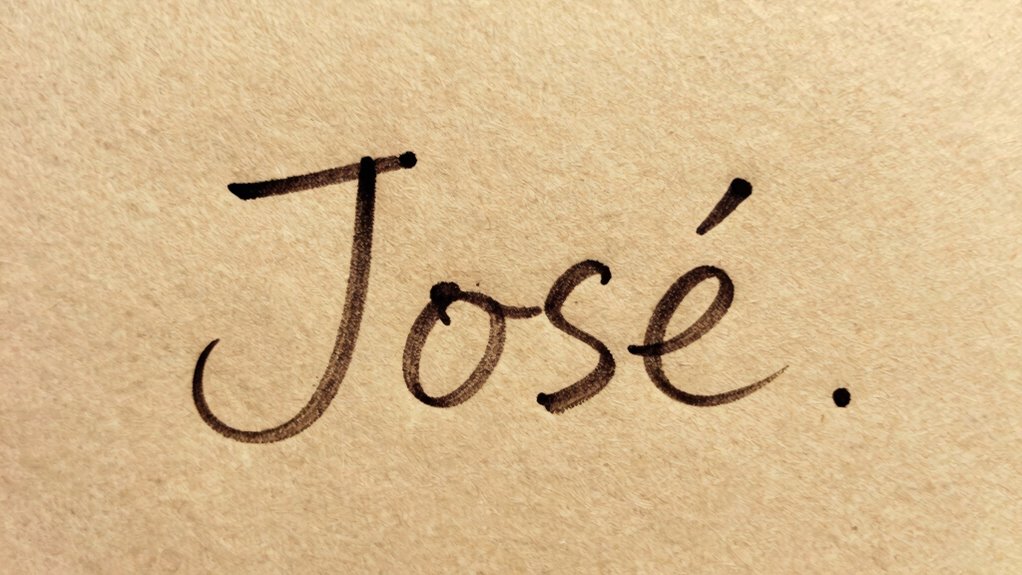
When a simple accent mark goes missing from a name, it can lead to confusion and misidentity. This small detail, often overlooked, carries more weight than you might think. Accents are not just decorative marks; they’re a vital part of a name’s identity, rooted deeply in language history and cultural significance. Over time, language evolves through historical pronunciation shifts**, and accents help preserve the original sound and meaning of words. When an accent is lost or omitted, it can distort the way a name is pronounced, understood, and even perceived. For example, in many Romance languages, accents indicate which syllable to emphasize or modify the vowel sound, directly influencing pronunciation. Without the accent, the name might be read incorrectly, leading to misunderstandings or a loss of cultural authenticity. Recognizing the cultural significance of accents** is essential for appreciating how they embody heritage and tradition.
Missing accents distort pronunciation and cultural authenticity, risking misidentity and misunderstandings.
The cultural significance of accents goes even further. These marks often symbolize heritage, identity, and pride. Removing or neglecting them can be seen as erasing part of a person’s cultural history. Think about how an accent in a name can link someone to their ancestral roots, regional dialects, or linguistic traditions. When you omit that accent, you risk stripping away layers of meaning that have been passed down through generations. It’s more than just a spelling error; it’s a break in a chain of cultural storytelling. In some cases, the absence of an accent can alter the perceived gender, ethnicity, or social background of a person. This subtle change can have social repercussions, influencing how others relate to or respect the individual. Recognizing the importance of accents also helps preserve the linguistic diversity, which is vital for maintaining the richness of global cultures. Additionally, the preservation of linguistic heritage depends heavily on the accurate use of accents to maintain the distinctiveness of each language. Moreover, neglecting accent marks can lead to mispronunciations, which can diminish the cultural integrity of a name and its bearer. Proper accent usage also fosters respect and understanding within multicultural communities.
Language and identity are intertwined, and accents serve as markers that maintain this bond. As language shifts through time, so do pronunciations, but accents act as anchors to a specific pronunciation and meaning. When those accents are missing, the connection to the original language and its history weakens. You might notice that a name without its accent sounds foreign or unfamiliar, even if it’s the same name. This can lead to mispronunciations or misunderstandings in official documents, media, or casual conversations. It can also cause a disconnect in personal identity, especially for those who feel that their name’s authentic pronunciation and cultural background are essential to who they are. Recognizing the role of accents in maintaining linguistic integrity is crucial for respecting individual identities and cultural heritage. Ultimately, respecting these small yet significant details fosters a more inclusive and culturally aware society.

VINTORKY Correction Tape 6pcs 180m Portable Correction Tape Set for School Students and Office Supplies for Exam Correction and Study Tools
- Compact Correction Tape: Easy to write over after correction
- Colorful Correction Tape: Instant correction without drying
- Office-Ready Tape: Suitable for both hands for accuracy
As an affiliate, we earn on qualifying purchases.
As an affiliate, we earn on qualifying purchases.
Frequently Asked Questions
How Do Accent Marks Affect Pronunciation Across Different Languages?
Accent marks profoundly impact pronunciation nuances across different languages, guiding you on how to say words correctly. They indicate stress, vowel quality, or tone, which vary in language variations. Without accent marks, you might mispronounce a word, leading to confusion or changing its meaning. Recognizing these marks helps you understand and adapt to pronunciation nuances, ensuring clear communication and respect for linguistic differences across diverse language contexts.
Are There Legal Implications for Incorrect Accent Markings?
Yes, incorrect accent markings can have legal implications. When you fill out legal documentation or register your name, accuracy matters. An incorrect accent mark might cause discrepancies, leading to issues like identity verification or legal disputes. It’s vital to guarantee your name is correctly spelled with the proper accent in official records. Otherwise, you risk delays, misunderstandings, or even legal challenges that can complicate your personal or professional affairs.
How Can Misplacing an Accent Mark Impact Personal or Professional Reputation?
Misplacing an accent mark can profoundly impact your personal or professional reputation by undermining your cultural significance and personal identity. When others see the incorrect spelling, they might perceive a lack of attention to detail or cultural awareness, which can affect trust and respect. In professional settings, it may even influence how colleagues or clients view your credibility. Preserving proper accents helps maintain the integrity of your cultural identity and demonstrates respect for your background.
What Are Common Challenges in Correctly Using Accent Marks?
You face a mountain of challenges when correctly using accent marks, as cultural variations add complexity. Typographical errors often slip in, turning a simple mistake into a big mess. You need to be attentive to detail, especially with unfamiliar languages, because missing or misplaced accents can change meanings entirely. It’s a balancing act, requiring patience and familiarity with language rules, but mastering it prevents miscommunication and preserves your credibility.
Can Accent Mark Errors Lead to Identity Theft or Fraud?
Accent mark errors can indeed lead to issues like identity theft or fraud. Accent mark confusion might cause mismatches during identity verification, making it easier for someone to impersonate you or alter your records. When your name isn’t correctly spelled with proper accents, verification processes could be compromised, increasing vulnerability. Staying precise with accent marks helps guarantee your identity remains secure and accurately represented across all official documents and systems.

Guest Book: Piano Guest Book – Classical Music Sign in Book for Musician, Piano Player, Wedding, Event, Business, Guest Room, Bathroom, Cabin, Airbnb, … Book Name and Address (112 Pages 8.25 x 8.25)
As an affiliate, we earn on qualifying purchases.
As an affiliate, we earn on qualifying purchases.
Conclusion
So, next time you see a name missing its accent, remember it’s more than just a mark—it’s the key to identity. Without it, you might picture a different person or story entirely. Like a delicate thread in a tapestry, one small change can unravel meaning and history. Accents aren’t just decorations; they’re the essence that keeps a name’s true soul intact. Don’t overlook their power—they shape how we see and understand each other.

100Pcs Sign Language Stickers for Water Bottle, Laptop – ASL Stickers, Decorations – American Sign Language Gift for Women & Men
- Versatile Surface Compatibility: Sticks to laptops, water bottles, and more
- Residue-Free Removal: Removes cleanly without damage or residue
- Easy to Adjust: Gently lift and reposition stickers
As an affiliate, we earn on qualifying purchases.
As an affiliate, we earn on qualifying purchases.

Music Studio 12 – Music software to edit, convert and mix audio files for Win 11, 10
- Audio editing, converting, and mixing: Music software to edit, convert and mix audio files
- Enhanced precision and comfort: More precision, comfort, and music for you
- Record streaming apps seamlessly: Record apps like Spotify, Deezer and Amazon Music without interruption
As an affiliate, we earn on qualifying purchases.
As an affiliate, we earn on qualifying purchases.