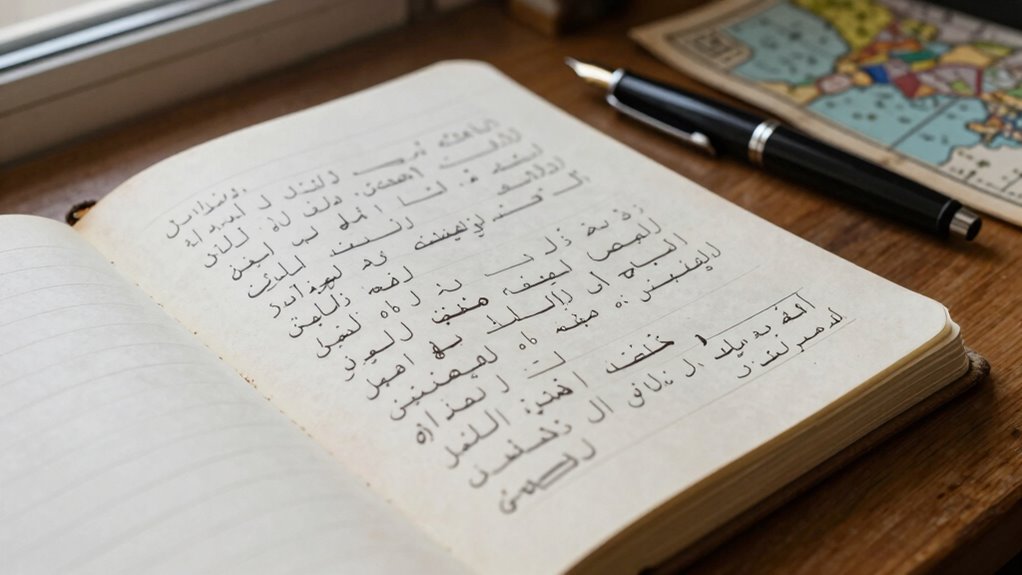

You might notice some Arabic names are re-spelled to make pronunciation easier for non-native speakers. These adjustments help avoid miscommunications and guarantee names are spoken more naturally across regions. Re-spelling often involves changing vowels, simplifying sounds, or removing complex symbols. This process doesn’t erase the cultural significance but makes names more accessible. If you’re curious, keep exploring how these changes respect linguistic roots while promoting clearer understanding.

Prime made for students and young adults
- Fast, free delivery for dorm and study essentials
- Prime Video and Amazon Music included
- Member-only deals
Key Takeaways
- Re-spelling simplifies complex Arabic sounds to make pronunciation easier for non-native speakers.
- It helps bridge pronunciation gaps caused by regional and cultural differences.
- Adjustments aim to make names more intuitive without losing their original meaning.
- Re-spelling addresses inconsistencies from historical transliteration practices.
- It enhances communication clarity while respecting the cultural significance of names.
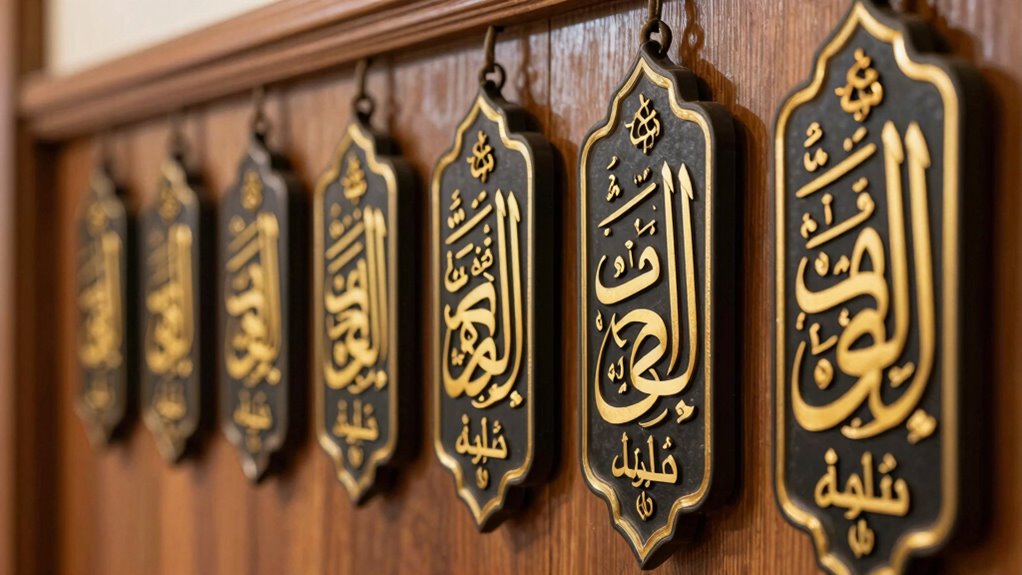
Many Arabic names can be difficult for non-native speakers to read and pronounce accurately, which often leads to misunderstandings or miscommunications. This challenge stems from the complex sounds and unique pronunciation patterns rooted in Arabic’s rich linguistic history. Over time, cultural pronunciation differences have influenced how these names are spoken and understood across different regions. This makes it even more important to understand the transliteration practices that shape how names appear outside of the Arabic script. To bridge this gap, many names are re-spelled in ways that are more accessible to non-native speakers, helping to guarantee proper pronunciation and comprehension.
Historical transliteration practices contribute considerably to the variation in how Arabic names are written outside of the Arabic script. In the past, transliteration was often inconsistent because there wasn’t a standardized system. As a result, the same name might be spelled differently depending on who was recording it, leading to confusion. For example, the Arabic name “محمد” could be transliterated as “Muhammad,” “Mohammad,” or even “Mohammed,” each reflecting different phonetic interpretations. These practices prioritized capturing the sounds of the names using the Latin alphabet but often did so with little consistency. Today, recognizing the influence of these legacy of transliteration practices helps explain why some spellings look peculiar or inconsistent to modern readers. Additionally, understanding these historical variations can help foster greater respect for cultural diversity.
When names are re-spelled for easier reading, the goal is to make them more intuitive and pronounceable for those unfamiliar with Arabic phonetics. You might notice that vowels are added or altered, consonants are simplified, or diacritical marks are omitted altogether. These adjustments help you avoid mispronunciations that could be disrespectful or confusing. It’s about making the name approachable without losing its original essence. For instance, a name like “Fahad” might be spelled “Fahad” or “Fahhad,” depending on the context, but the re-spelling aims to guide you toward the correct pronunciation more naturally. This process often involves considering cultural pronunciation differences that influence how names are spoken across regions.
Ultimately, re-spelling Arabic names isn’t about erasing their cultural significance but about making them more accessible. By understanding the roots of these changes—such as cultural pronunciation differences and the legacy of transliteration practices—you can appreciate the reasons behind different spellings. This understanding allows you to approach Arabic names with respect and confidence, even if they’re unfamiliar or appear different from the original script. It’s about fostering clearer communication and honoring the diversity embedded in these names.
As an affiliate, we earn on qualifying purchases.
Frequently Asked Questions
How Do Spelling Choices Vary Across Different Arabic-Speaking Regions?
You’ll notice that spelling choices vary across Arabic-speaking regions due to cultural influences and historical adaptations. For example, some areas prefer spellings that reflect local pronunciation, while others stick to standardized forms. Colonial history and interactions with Western languages also shape these differences. These factors lead to diverse transliterations, making names easier for local communities to read and pronounce, yet sometimes creating confusion for outsiders unfamiliar with regional variations.
Do Re-Spellings Affect the Pronunciation of Arabic Names?
Re-spellings can influence the pronunciation of Arabic names, but they often aim to balance phonetic accuracy with cultural identity. You might notice that simplified spellings make names easier to pronounce for non-Arabic speakers, even if they slightly alter the original sounds. While this helps with understanding, it can sometimes diminish the true phonetic nuances and cultural significance of the name, so it’s important to take into account both clarity and authenticity.
Are There Official Standards for Anglicizing Arabic Names?
Think of anglicizing Arabic names as customizing a suit—there are no strict rules, only personal preferences and cultural identity to take into account. While some standards exist, like the ISO or government guidelines, they’re flexible. You get to decide what feels authentic or easy to pronounce, balancing respect for cultural roots with clarity. Ultimately, these standards help preserve identities while making names more accessible to a wider audience.
How Do Arabic Speakers Feel About Name Re-Spellings?
You might find that Arabic speakers have mixed feelings about name re-spellings. Some see it as a way to simplify pronunciation and make cultural identity more accessible, especially for non-Arabic speakers. Others feel that it can dilute personal preferences and cultural authenticity. Ultimately, how they feel depends on individual perspectives, with many valuing the balance between maintaining cultural identity and adapting to global communication needs.
What Role Does Digital Technology Play in Name Re-Spelling?
Digital technology acts as a bridge, turning complex Arabic sounds into familiar symbols through phonetic transcription and digital transliteration. You rely on these tools to make names more accessible, especially in online communication. By converting intricate Arabic script into Latin characters, digital platforms simplify pronunciation and recognition. This process helps you connect across language barriers, making names easier to read and remember, creating a digital tapestry that links cultures seamlessly.
As an affiliate, we earn on qualifying purchases.
Conclusion
Think of Arabic names like a delicate thread woven through a complex tapestry; when re-spelled, it becomes easier to follow and appreciate. Imagine meeting someone named “Mohammed” spelled as “Muhammad”—it’s like translating a song into a language you understand better. This simple change helps bridge cultural gaps, making connections smoother. Ultimately, re-spelling isn’t about losing authenticity but about sharing stories more clearly, allowing everyone to see the beauty woven into every name.
Arabic to Latin alphabet pronunciation chart
As an affiliate, we earn on qualifying purchases.
As an affiliate, we earn on qualifying purchases.
name pronunciation aid for non-native speakers
As an affiliate, we earn on qualifying purchases.
As an affiliate, we earn on qualifying purchases.
Halloween Picks
halloween
As an affiliate, we earn on qualifying purchases.