
Mispronounced English names often stem from cultural differences and unique phonetic rules that catch many off guard. Names like “Siobhan,” “Niamh,” and “Caoimhe” showcase sounds unfamiliar to native speakers, leading to frequent mispronunciations. These blunders can create awkward moments in social and professional contexts. It’s crucial to ask for correct pronunciations; showing this curiosity reflects respect for someone’s cultural background. Discovering proper name pronunciations can turn potential faux pas into meaningful connections.
Key Takeaways
- Many English names, like “Siobhan” and “Niamh,” are mispronounced due to unfamiliar cultural phonetics and spelling conventions.
- Names such as “Giovanni” often face mispronunciation because their phonetic rules differ from English.
- Cultural significance influences pronunciation, leading to variations that may confuse those unfamiliar with the origin.
- Mispronouncing names can impact first impressions and hinder effective communication in both social and professional settings.
- Asking for correct pronunciation fosters respect, enhances relationships, and embraces linguistic diversity in interactions.
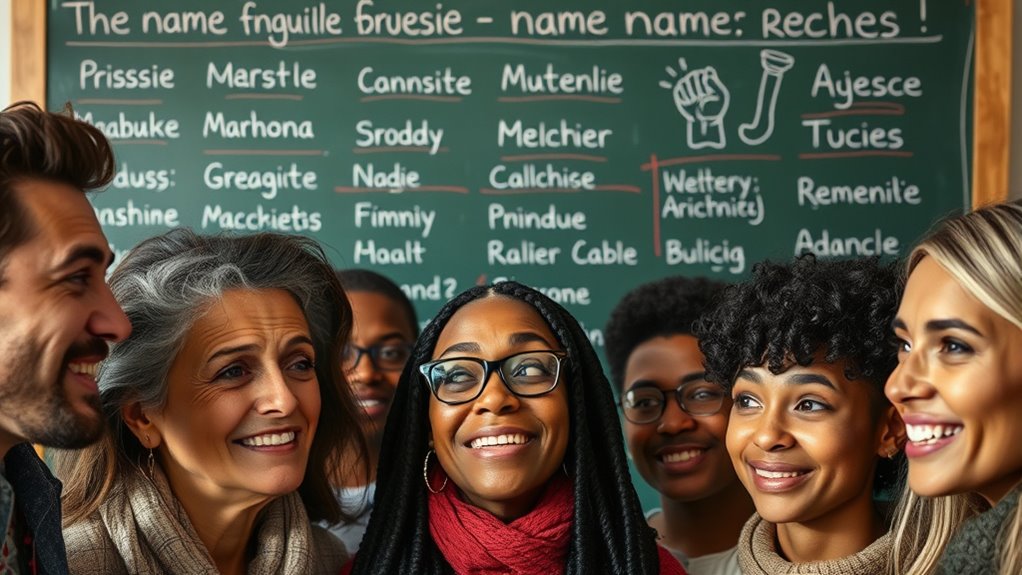
Have you ever stumbled over a name that seemed simple but left you tongue-tied? It’s a common experience, and it often highlights the intriguing name pronunciation challenges many face. Names that appear straightforward can carry unexpected complexities, especially when cultural influences intertwine. These influences shape how names are pronounced, and they can lead to confusion for those unfamiliar with specific linguistic backgrounds.
Take “Siobhan,” for example. You might think it’s pronounced like it looks, but it’s actually “shi-VAWN.” The Irish origin of this name introduces sounds and phonetic rules that aren’t typically found in English, making it a classic case of how culture impacts pronunciation. You might encounter a similar challenge with “Niamh,” which is pronounced “NEEV.” The cultural richness behind these names often gets lost in translation, leading to mispronunciations that can be frustrating for both the speaker and the bearer of the name.
Then there’s “Caoimhe.” You’d likely guess it’s pronounced phonetically, but it’s actually “KEE-va.” Names from different cultures can carry unique sounds that might not exist in your native language. This is where name pronunciation challenges really come into play. When you meet someone named “Giovanni,” you might default to “JIO-van-ee,” while it’s actually pronounced “jo-VAHN-ee.” These differences can create awkward moments, especially in professional or social settings where you want to make a good impression.
Cultural influences on names extend beyond just origin. Consider how certain names hold specific meanings or significance in different cultures, which can add another layer to their pronunciation. For instance, “Yasmin” can be pronounced as “YAZ-min” in some cultures, while others might say “YAS-meen.” The various pronunciations reflect the diversity of cultural interpretations, and understanding these nuances can foster connections. Just as with names, the cultural significance of decor styles like boho can vary widely, adding depth to personal expression.
As you navigate through the world of names, remember that everyone makes mistakes. It’s okay to ask someone how they pronounce their name, especially if it’s unfamiliar to you. This simple act shows respect and interest in their background, which can bridge gaps created by name pronunciation challenges. Embracing the richness of names and their cultural significance can turn potential faux pas into opportunities for connection and learning. So, the next time you encounter a tricky name, lean into the curiosity it sparks rather than shying away from it.
Frequently Asked Questions
Why Do People Mispronounce Names in English?
People mispronounce names in English due to various name pronunciation challenges and linguistic variations. Different languages and cultures have unique sounds and rules that influence how names are spoken. When you encounter a name from a background you’re unfamiliar with, it can lead to mistakes. Additionally, regional accents and personal interpretations further complicate things. Recognizing these factors can help you navigate pronunciation better and show respect for individuals’ names and their origins.
How Can I Learn Proper Name Pronunciation?
To learn proper name pronunciation, start by understanding that name pronunciation challenges often stem from cultural differences. Use pronunciation practice techniques like listening to native speakers or using apps that focus on phonetics. Record yourself saying the names, then compare for accuracy. Break the names down into syllables and practice them repeatedly. Engaging with diverse communities can also help you grasp the nuances behind different names, making your learning experience richer and more effective.
Are There Regional Variations in Name Pronunciation?
Yes, there are definitely regional variations in name pronunciation. Depending on where you are, regional dialects can lead to pronunciation differences that might surprise you. For instance, a name pronounced one way in the Midwest could sound entirely different in the South or on the West Coast. To navigate these differences, you might want to listen to locals or familiarize yourself with the common pronunciations in various areas. It’s all about context!
How Does Culture Influence Name Pronunciation?
Culture shapes name pronunciation like a potter molding clay—always changing! You’ve got cultural name variations that twist and turn, leading to pronunciation challenges that could leave anyone tongue-tied. When you hear names from different backgrounds, they dance on your tongue in unexpected ways. Just think about how your own cultural roots might spice up your name. So, embrace the chaos; it’s a world of delightful sounds that’s just waiting for you!
Can Mispronouncing Names Affect Personal Relationships?
Yes, mispronouncing names can definitely affect personal relationships. When you get someone’s name wrong, it can signal a lack of respect or attention, impacting their perception of you. By focusing on pronunciation accuracy, you enhance name recognition, making individuals feel valued. This small effort fosters trust and connection, showing that you care about them as individuals. So, pay attention to names; it can strengthen your relationships profoundly.
Conclusion
In summary, exploring the world of mispronounced English names reveals just how intricate language can be. Interestingly, studies show that nearly 75% of people admit to mispronouncing names at least once in their lifetime. This highlights the importance of patience and understanding in our interactions. By taking the time to learn the correct pronunciations, we not only show respect but also foster connection in our diverse world. So, let’s make an effort to get it right!