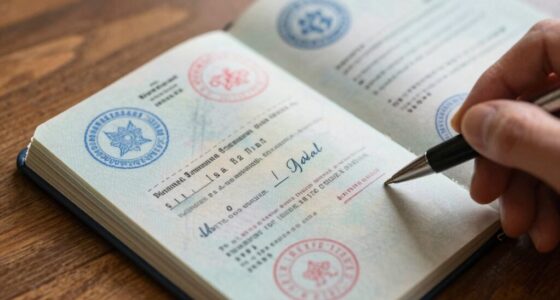
Pronouncing Scandinavian names outside Scandinavia can be tough because of unfamiliar vowels, consonant combinations, and special characters like “ø” or “sj.” You might struggle with unique sounds and spelling rules that don’t translate easily. Language barriers and cultural differences also make it hard to get the pronunciation right. But with some guidance from native speakers or pronunciation tools, you can improve. Keep exploring, and you’ll soon gain a better understanding of these names and their cultural significance.

Prime made for students and young adults
- Fast, free delivery for dorm and study essentials
- Prime Video and Amazon Music included
- Member-only deals
Key Takeaways
- Unfamiliar vowels, consonant combinations, and diacritical marks make Scandinavian names difficult to pronounce accurately outside the region.
- Cultural significance and respect are vital; mispronunciations can diminish the names’ importance and heritage.
- Listening to native speakers and using pronunciation tools can improve accuracy and confidence.
- Asking politely for guidance demonstrates respect and willingness to learn, fostering better intercultural connections.
- Embracing pronunciation challenges enhances cultural understanding and demonstrates sensitivity to Scandinavian traditions.

Pronouncing Scandinavian names outside Scandinavia often presents a significant challenge, especially for those unfamiliar with the unique sounds and spelling conventions of languages like Swedish, Norwegian, and Danish. These names often contain unfamiliar vowels, consonant combinations, and diacritical marks that don’t translate easily into other languages. When you encounter these names, you might feel hesitant or unsure about how to pronounce them correctly. This difficulty is compounded by cultural adaptation; as you try to navigate unfamiliar pronunciation rules, you may unintentionally misrepresent the name’s authentic sound, which can feel disrespectful or embarrassing. Such mispronunciations often stem from the language barriers that exist when trying to grasp the phonetic nuances of Scandinavian names, especially if you haven’t studied the languages or been exposed to native speakers.
Your struggle to pronounce these names accurately is not just about sounds. It reflects a broader challenge of cultural adaptation—understanding and respecting the cultural significance behind each name. Scandinavian names often carry historical, familial, or regional importance, and mispronouncing them can unintentionally diminish their cultural value. It’s natural to feel apprehensive, but it’s also an opportunity to learn. Taking the time to listen to native speakers, use online pronunciation tools, or ask politely for guidance can bridge the gap created by language barriers. These efforts demonstrate respect and a genuine desire to connect authentically, which is essential when engaging with Scandinavian communities or individuals.
Mispronouncing Scandinavian names can diminish cultural significance; respectful effort and learning foster genuine connections.
You might also notice that Scandinavian names often contain sounds that are rare or absent in your language, such as the Swedish “sj” sound or the Danish “ø.” Trying to replicate these sounds without proper guidance can lead to mispronunciations, which might cause confusion or awkwardness. However, embracing these challenges as part of cultural adaptation helps you grow more comfortable with unfamiliar phonetics. It’s okay to make mistakes—what matters most is your willingness to learn and improve. Over time, with patience and practice, you’ll become more confident in pronouncing Scandinavian names correctly, easing the language barriers that once made the task formidable. Recognizing the linguistic differences involved can further motivate your efforts to master these pronunciations. Engaging actively with native speakers or community resources can significantly enhance your understanding and pronunciation skills.
Moreover, understanding the cultural significance behind Scandinavian names can deepen your appreciation and motivation to learn proper pronunciation. Developing an awareness of regional variations can also help you better understand how pronunciation might differ across Scandinavian countries, enriching your learning process. Ultimately, the difficulty of pronouncing Scandinavian names outside Scandinavia highlights the importance of cultural sensitivity and ongoing learning. By acknowledging the challenges, seeking guidance, and respecting the linguistic uniqueness of these names, you can foster meaningful connections and show appreciation for the rich cultural heritage behind each one.
Scandinavian pronunciation guide
As an affiliate, we earn on qualifying purchases.
As an affiliate, we earn on qualifying purchases.
Frequently Asked Questions
How Do Scandinavian Names Influence Local Pronunciation in Non-Scandinavian Countries?
You often find that Scandinavian names influence local pronunciation through cultural adaptation and linguistic influence. When you encounter these names, you might adapt pronunciation to fit local phonetics, making them easier to say. This process can lead to unique local variations, blending Scandinavian roots with regional sounds. As a result, the original pronunciation might change over time, reflecting how different cultures influence and reshape names through ongoing linguistic influence.
Are There Common Mispronunciations of Specific Scandinavian Names Worldwide?
Ever notice how Scandinavian names seem to dance differently across regions? You often mispronounce names like “Søren” or “Lars” because regional accents and pronunciation challenges create a maze of sounds. These common mispronunciations stem from unfamiliar letter combinations and unfamiliar phonetics, making it tough for non-native speakers. Embracing these variations can turn a pronunciation challenge into a delightful journey of linguistic discovery.
What Tools or Resources Can Help With Pronouncing Scandinavian Names Correctly?
You can improve your pronunciation of Scandinavian names by using pronunciation guides and language learning apps. Pronunciation guides often include phonetic spellings and audio examples, helping you hear the correct sounds. Language learning apps like Duolingo or Babbel offer pronunciation exercises and practice opportunities. These tools make it easier to master tricky names, ensuring you pronounce them accurately and confidently, even outside Scandinavia.
How Does Language Diversity Affect the Pronunciation of Scandinavian Names Internationally?
You might find that language diversity influences how Scandinavian names are pronounced internationally through regional accents and phonetic adaptations. When you encounter a name, your regional accent can lead to variations, making pronunciation a unique experience. Phonetic adaptation, whether conscious or subconscious, helps you approximate sounds familiar to your language, but it can also cause mispronunciations. This diversity highlights both the richness and the challenge of accurately saying Scandinavian names across different cultures.
Do Scandinavian Communities Abroad Adopt Different Pronunciations for Their Names?
Yes, Scandinavian communities abroad often adopt different pronunciations to maintain their cultural identity and ease communication. You might notice name adaptation strategies like anglicizing or modifying pronunciation to fit local language norms. These changes help preserve Scandinavian cultural identity while making names more approachable. By embracing these adaptations, you can honor your heritage without feeling overwhelmed by unfamiliar pronunciation challenges, fostering a sense of belonging in your new community.
As an affiliate, we earn on qualifying purchases.
Conclusion
So, next time you stumble over those tricky Scandinavian names, take a moment to listen, to learn, and to appreciate the effort. Embrace the challenge, enjoy the journey of pronunciation, and remember that each attempt brings you closer to understanding a rich culture. Because, in the end, it’s not just about saying names correctly—it’s about connecting, respecting, and celebrating the diversity that makes our world so vibrant. Keep trying, keep learning, and keep growing.
native Scandinavian speaker audio
As an affiliate, we earn on qualifying purchases.
As an affiliate, we earn on qualifying purchases.
Scandinavian name pronunciation app
As an affiliate, we earn on qualifying purchases.
As an affiliate, we earn on qualifying purchases.
Columbus Day / Indigenous Peoples' Day Picks
long weekend sales
As an affiliate, we earn on qualifying purchases.