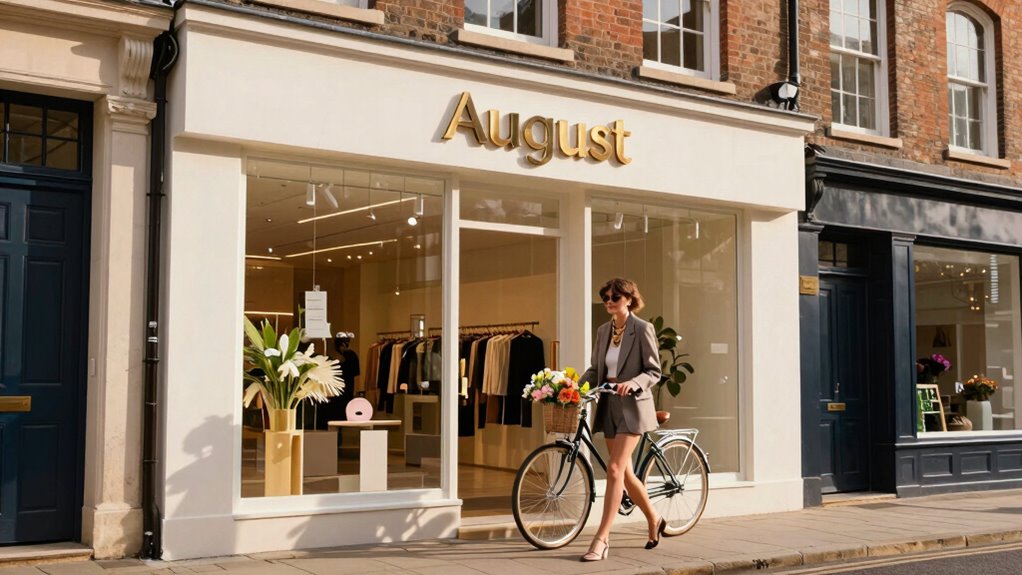

August started as an imperial title for Roman emperors, meaning “magnificent” or “venerable,” symbolizing power and dignity. Over time, it shifted from a ruler’s title to a personal name, gaining popularity among the upper classes and becoming more accessible. Today, August is admired for its timeless, strong, and elegant feel, blending history with modern style. If you want to discover how this ancient name continues to influence trends today, keep exploring.

Prime made for students and young adults
- Fast, free delivery for dorm and study essentials
- Prime Video and Amazon Music included
- Member-only deals
Key Takeaways
- The term “August” originated as an imperial title for Roman emperors, symbolizing power and reverence.
- Over time, it shifted from a ruler’s title to a personal name, gaining popularity among the upper classes.
- Its noble connotations and historical significance made it appealing for modern naming trends.
- “August” combines tradition, strength, and elegance, making it versatile and stylish for contemporary use.
- Its evolution reflects how language and cultural values transform a word of authority into a fashionable given name.

Have you ever wondered how August, once an imperial title used for emperors, transformed into a popular and stylish name? It’s a fascinating journey that reflects the evolving nature of language, culture, and societal values. Originally, the word “August” held significant historical weight, stemming from Latin roots meaning “magnificent” or “venerable.” As an imperial title, it was bestowed upon Roman emperors to highlight their grandeur, authority, and revered status. This historical significance made the term a symbol of power and dignity for centuries, associated with strength and respect. Over time, however, the use of August shifted from a title reserved for rulers to a name given to individuals, especially in English-speaking countries.
The transition from an imperial title to a personal name was gradual but impactful. In the 18th and 19th centuries, the name began appearing more frequently among the upper classes and aristocracy, often chosen for its noble connotations. Its association with greatness and regal qualities made it appealing for parents who wanted to bestow a sense of importance and distinction upon their children. The name’s elegant sound and historical weight helped it gain traction beyond royal circles, making it more accessible and modern. Today, August’s modern popularity is undeniable. It’s embraced by parents seeking a classic, yet fresh name that carries a sense of dignity without being overly traditional or old-fashioned.
You might notice that August blends seamlessly into contemporary naming trends, often chosen for its simplicity, strength, and unique charm. Its connection to history lends it an air of sophistication, while its modern usage makes it feel relevant and stylish. Many parents aren’t just drawn to its sound but also to its layered significance—combining tradition, elegance, and a touch of boldness. The name’s versatility allows it to suit a variety of personalities and backgrounds, making it a popular choice across different cultures. Its rise in popularity also ties into broader trends where names with historical roots and meaningful origins are highly valued. Additionally, the name’s ability to adapt to modern tastes while retaining its rich historical background has contributed significantly to its appeal. This ongoing evolution showcases how a name can transform over time and remain relevant across generations. Furthermore, the timeless quality of the name ensures its continued relevance in contemporary naming choices. Moreover, the association with regal and dignified qualities makes it a timeless choice in the landscape of contemporary baby names.
In essence, August’s journey from an imperial title to a stylish first name illustrates how language adapts over time. It’s a perfect example of how historical significance can inform modern popularity, transforming a word of power into a name that embodies strength, dignity, and style—all in one concise, memorable package.
As an affiliate, we earn on qualifying purchases.
Frequently Asked Questions
When Did August First Become Used as a Personal Name?
You’ll find that August first became used as a personal name in the late 19th and early 20th centuries, influenced by historical naming trends emphasizing classical and imperial origins. Cultural variations play a role too, with some regions adopting August earlier due to Latin or Germanic roots. Today, it remains popular for its timeless elegance, blending historical significance with modern style, showing how naming preferences evolve across different cultures and eras.
Are There Famous People Named August Today?
Yes, there are famous people named August today. You might recognize August Alsina, a popular singer, or August Diehl, an acclaimed actor. August’s historical significance as an imperial title has influenced modern celebrity names, making August a stylish and meaningful choice. These contemporary figures show how the name continues to gain popularity, blending historical prestige with modern appeal, and inspiring parents to choose August for its timeless charm.
How Popular Is the Name August Worldwide?
August’s popularity varies vividly worldwide, influenced by cultural variations in naming conventions and historical popularity trends. In some countries, like the U.S., it’s rising rapidly, while in others, it remains rare. You’ll find that August’s blend of bold history and cultural charm makes it a beloved choice globally, appealing to those who appreciate a name with depth, distinction, and a dash of daring. Its dynamic desirability continues to develop across diverse destinations.
Does August Have Different Meanings in Various Cultures?
Yes, August has different meanings across cultures due to cultural symbolism and etymological differences. In Latin, it means “great” or “venerable,” reflecting respect and honor. In Germanic roots, it relates to strength and nobility. You’ll find that in some cultures, August symbolizes dignity and prestige, while in others, it’s simply appreciated for its historical and linguistic richness. Understanding these differences helps you see why the name resonates globally.
What Are Common Nicknames for the Name August?
You might wonder about common nicknames for August—think about how naming traditions and cultural significance influence them. Typically, folks use Aug or Gus as affectionate short forms, but in some cultures, unique nicknames emerge based on local customs. These diminutive forms carry a sense of familiarity and warmth, making August feel even more personal. So, whether you’re considering the name for yourself or someone special, these nicknames add a touch of intimacy and tradition.
As an affiliate, we earn on qualifying purchases.
Conclusion
So, next time you meet someone named August, remember it’s more than just a warm summer month or a nod to royalty. It’s a gentle reminder that names can carry a world of history and style, quietly blending tradition with a modern twist. Just like the month, a name can quietly settle into your life, adding a subtle charm that’s both timeless and fresh. Embrace it—you might find it’s a name that grows on you.
As an affiliate, we earn on qualifying purchases.
As an affiliate, we earn on qualifying purchases.
Halloween Picks
halloween
As an affiliate, we earn on qualifying purchases.