
Gabriel is a name with Hebrew roots meaning “God is my strength,” symbolizing divine power and communication. Variations like Gabriele, Jibril, and Gabriela reflect its wide cultural reach. Known as an archangel in Christianity, Judaism, and Islam, Gabriel embodies strength, purity, and divine message. Its popularity has fluctuated over time, influenced by religious and cultural trends. To explore further, you’ll discover how Gabriel’s rich history continues to shape its enduring significance worldwide.
Key Takeaways
- Gabriel is derived from Hebrew “Gavri’el,” meaning “God is my strength,” and signifies divine strength and faith.
- The name has ancient Semitic roots and various cultural variants, including Gabriele (Italy) and Jibril (Arabic).
- In religious traditions, Gabriel serves as a divine messenger in Judaism, Christianity, and Islam.
- Its popularity varies globally, influenced by religious, cultural, and societal trends over centuries.
- Gabriel symbolizes strength, divine authority, and spirituality, maintaining cultural relevance across different regions.
The Etymology of Gabriel

The name Gabriel comes from the Hebrew name “Gavri’el,” which means “God is my strength.” It combines “gever,” meaning “man” or “strong man,” with “El,” referring to God. When you hear the name, the correct pronunciation is often debated, but “GAB-ree-el” is common in English. Literary references frequently mention Gabriel as a messenger or divine figure, emphasizing its spiritual significance. Writers have used the name to symbolize strength, guidance, and divine intervention. The etymology highlights its roots in strength and faith, which have helped it remain popular across cultures. Additionally, the name’s cultural significance has contributed to its enduring popularity and meaningful associations. Understanding the name’s pronunciation and literary references deepens your appreciation of its historical and cultural importance.
Historical Roots and Linguistic Origins
Tracing the historical roots of the name Gabriel reveals its deep origins in ancient Semitic languages, particularly Hebrew. The name’s pronunciation varies across regions, reflecting linguistic variations over centuries. It derives from the Hebrew words *Gavri’el*, meaning “God is my strength.” You can envision this evolution through a table:
| Language | Name Pronunciation | Meaning |
|---|---|---|
| Hebrew | Gah-vee-EL | God is my strength |
| Arabic | Jibra’il | God is my strength |
| Latin/English | GAB-ree-el | God is my strength |
These variations highlight how languages adapted the name while maintaining its core significance. The linguistic roots connect the name across cultures, emphasizing its ancient and enduring heritage. Additionally, understanding the linguistic evolution of the name provides insight into the cultural exchanges that shaped its current forms.
Variations of Gabriel Around the World
You’ll notice that Gabriel has many international variants, each reflecting local language and culture. These variations often carry unique cultural significance and symbolism. Exploring these differences helps you understand how the name resonates differently around the world. Navigating the evolving landscape of cryptocurrencies demonstrates how adapting to local contexts is vital in understanding global phenomena.
International Name Variants
Have you ever wondered how the name Gabriel varies across different cultures? You’ll notice translation variations that reflect local languages, such as “Gabriele” in Italy or “Gábriel” in Hungary. In Spanish and Portuguese-speaking regions, it’s often “Gabriel,” but pronunciation differences make it sound distinct—like “Gah-bree-EL” or “Gah-bree-AYL.” In Slavic countries, you might encounter “Gabrijel,” while in Arabic, it’s “Jibril,” emphasizing regional pronunciation and spelling. These international name variants show how the core name adapts to local linguistic patterns. Despite differences in spelling or pronunciation, the name maintains its original meaning and significance across cultures. Variations highlight how languages influence how you say and write the same name worldwide. Additionally, cultural significance can shape how the name is embraced and celebrated in various societies.
Cultural Significance
Ever wonder how the name Gabriel holds different cultural meanings around the world? Its popularity varies greatly, reflecting diverse cultural symbolism. In many Western countries, Gabriel is associated with strength, divine messengers, and protection, boosting its name popularity among parents seeking meaningful names. In religious contexts like Christianity and Islam, Gabriel symbolizes guidance and communication with the divine. In Hispanic cultures, the name’s popularity remains high, often linked to religious celebrations and saint days. Meanwhile, in some regions, variations like Gavriel or Gabriele carry unique cultural significance. Additionally, understanding cultural intelligence helps explain how these variations develop and resonate within different societies. Overall, Gabriel’s international presence highlights its enduring appeal and rich symbolism, making it a timeless choice that resonates across different societies and traditions.
Gabriel in Religious Texts and Traditions
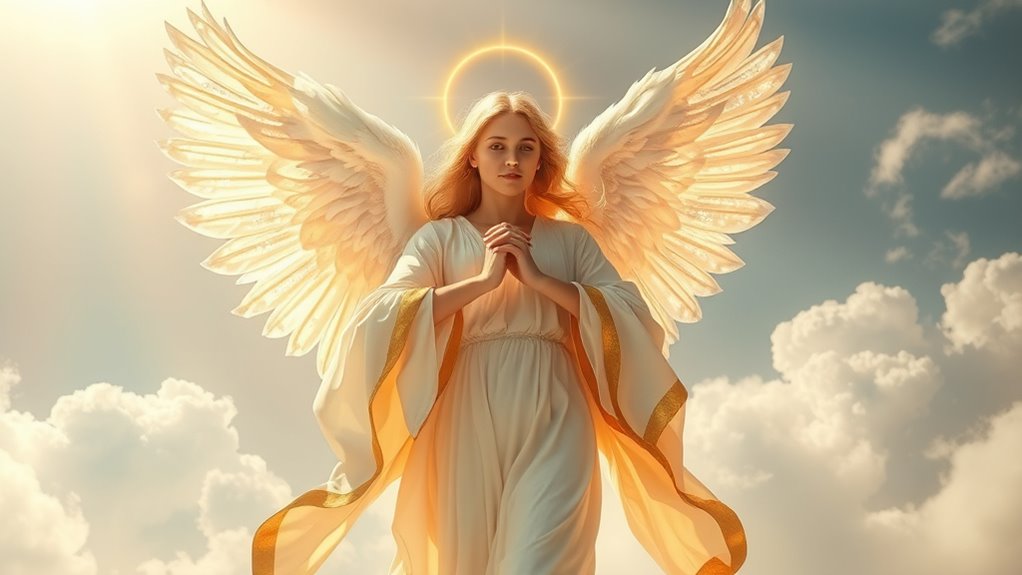
How does Gabriel feature in religious texts and traditions across different faiths? You’ll find Gabriel playing a central role in various stories, embodying angelic symbolism and religious symbolism. For example:
- In Judaism, Gabriel appears as a messenger delivering divine messages.
- In Christianity, he announces the birth of Jesus to Mary.
- In Islam, Gabriel (Jibril) conveys Allah’s revelations to Prophet Muhammad.
- Across these traditions, Gabriel’s presence highlights his role as a divine intermediary and messenger. His depiction emphasizes divine authority, purity, and the spiritual connection between heaven and earth. The consistent theme is Gabriel’s function as a celestial envoy, reinforcing the angelic symbolism that surrounds him. These stories reflect his importance and help deepen your understanding of the spiritual significance assigned to him in different religious contexts.
The Symbolic Significance of Gabriel

Gabriel’s role as a divine messenger extends beyond his stories in religious texts, embodying powerful symbolic meanings across different traditions. His presence signifies hope, divine communication, and spiritual awakening. In angelic symbolism, Gabriel often represents clarity and divine intervention—guiding you toward truth and enlightenment. His spiritual significance is rooted in the idea of connection between the divine and human domains. The table below highlights key aspects of Gabriel’s symbolic meaning: Worth – Kiss Me
Famous Personalities Named Gabriel

- Gabriel Byrne – Irish actor with a distinguished career, known for his roles in both independent films and major Hollywood productions.
- Gabriel Macht – Hollywood actor and producer, best recognized for his portrayal of Harvey Specter in the TV series “Suits.”
- Gabriel Gray – A complex character in a popular TV series, whose storyline captivated audiences with its depth.
- Gabriel Solis – A memorable character from a hit TV show, illustrating the name’s versatility across different genres.
- The name Gabriel is also associated with costume designs, reflecting its widespread cultural recognition and use in various themed events.
The Popularity of the Name Over Time
Have you noticed how the popularity of the name Gabriel has changed over the decades? You might see patterns in different regions or countries that reveal shifting trends. Exploring these changes helps you understand how cultural influences shape naming choices over time. Additionally, the cultural significance of the name has contributed to its varying popularity across different eras.
Trends Through Decades
Over the decades, the popularity of the name Gabriel has experienced notable fluctuations, reflecting changing trends and cultural influences. You’ll notice these shifts through specific patterns in name popularity:
- In the 1980s, Gabriel’s popularity surged due to its strong cultural associations with religious and literary figures.
- During the 1990s, it maintained steady growth, becoming a favorite choice for parents seeking classic yet modern names.
- The early 2000s saw a peak, driven by celebrities naming their children Gabriel, boosting its appeal.
- Recently, its popularity has stabilized, remaining a timeless option across various cultural contexts. These trends highlight how cultural associations and societal shifts influence name popularity, making Gabriel a name that continues to resonate over time. Additionally, the name’s cultural significance has played a key role in its enduring appeal.
Geographical Popularity Shifts
Ever wonder how the popularity of the name Gabriel varies across different regions? Migration patterns play a significant role in shaping regional naming trends, causing shifts in Gabriel’s popularity over time. In countries with strong Catholic traditions, like Spain and Italy, the name has remained consistently popular, reflecting cultural influences. Conversely, in North America, regional naming trends fluctuate due to diverse immigrant populations and changing cultural preferences. Migration patterns introduce Gabriel to new areas, boosting its popularity in regions where it was previously uncommon. These shifts highlight how social and cultural exchanges influence naming choices, making Gabriel’s popularity dynamic across different parts of the world. Understanding these geographical trends offers insight into how migration and regional preferences shape the name’s global presence. Additionally, the cultural significance of the name Gabriel continues to influence its enduring appeal in various societies.
Modern Interpretations and Usage
How is the name Gabriel viewed in contemporary culture? It’s seen as timeless but also adapts to modern name trends. People often associate it with strength, spirituality, and elegance. Here are four ways it’s used today:
- Popular choice for boys, maintaining its classic appeal.
- Featured in contemporary cultural references, like movies and books.
- Chosen for its versatile sound and positive meanings.
- Used in various forms worldwide, reflecting global influences.
- Its name popularity demonstrates its enduring relevance across generations and cultures.
You’ll notice it’s often linked to modern parenting styles that favor meaningful, timeless names. Gabriel’s popularity remains steady due to its rich history and contemporary relevance, making it a favorite across different cultures and generations. Its modern usage proves that classic names can thrive in today’s naming trends.
The Cultural Impact of the Name Gabriel
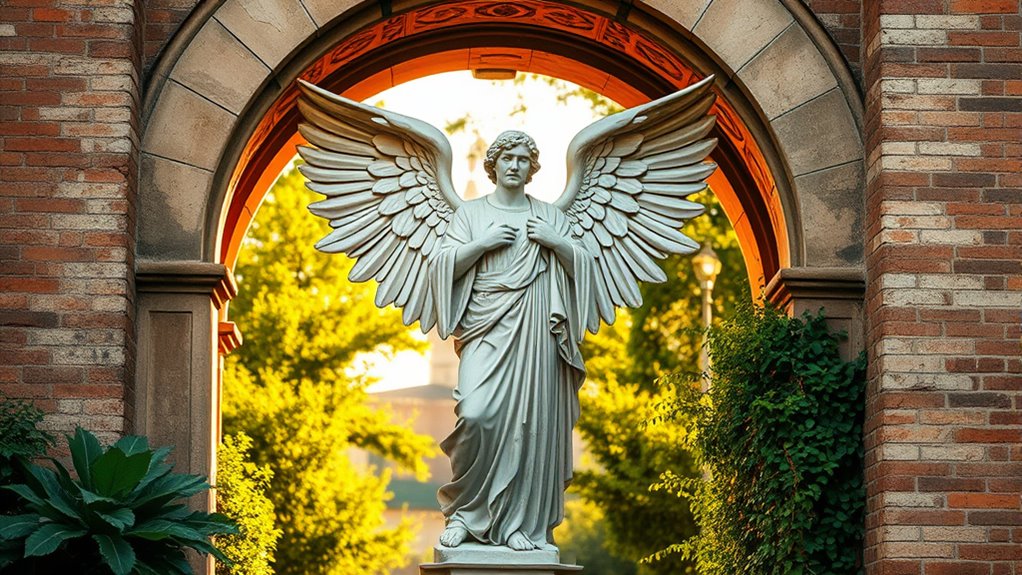
The name Gabriel’s enduring popularity has considerably shaped its presence in various cultural contexts around the world. Its distinctive name pronunciation often evokes images of strength and spirituality, influencing how people perceive individuals with this name. However, cultural stereotypes sometimes color these perceptions, linking the name to certain traits or roles, such as being protective or divine. In media, literature, and popular culture, Gabriel is frequently portrayed as an angelic or heroic figure, reinforcing these associations. This widespread recognition impacts how bearers of the name are viewed and how they see themselves. Additionally, the visual representation of names in different cultures can further reinforce or challenge these perceptions. Ultimately, the cultural impact of Gabriel extends beyond its sound, shaping societal expectations and personal identities rooted in its rich historical and spiritual significance.
Frequently Asked Questions
What Are Some Lesser-Known Historical Figures Named Gabriel?
You might not know that some lesser-known historical figures named Gabriel played important roles in their times. For example, Gabriel de Foigny was a French writer in the 17th century, and Gabriel de la Torre was a notable 19th-century Peruvian diplomat. Variations in Gabriel’s historical prominence show how the name’s influence varies across cultures and eras. These figures remind us that the name has deep, diverse historical uses beyond famous biblical or royal figures.
How Has the Name Gabriel Influenced Popular Culture Beyond Religion?
Imagine a messenger’s wings soaring through pop culture skies; that’s how Gabriel influences beyond religion. You see him in artistic representations like paintings and sculptures, embodying divine messages. Musical references, from jazz to pop, often invoke Gabriel’s name, symbolizing hope and guidance. His presence shapes characters and themes, painting a vivid picture of celestial inspiration that resonates, inspiring creators to weave his myth into the fabric of modern culture effortlessly.
Are There Any Famous Fictional Characters Named Gabriel?
You’ll find plenty of famous fictional angels named Gabriel in popular culture. For example, the character Gabriel in the TV series “Supernatural” is a powerful archangel who plays a pivotal role in the storyline. In literature and movies, fictional characters named Gabriel often symbolize guidance or divine intervention. These famous fictional angels help shape stories, making the name Gabriel synonymous with strength, protection, and spirituality in various creative works.
How Do Pronunciation Variations of Gabriel Differ Across Languages?
Imagine a world where Gabriel’s name echoes differently—across languages, it morphs wildly! You’ll hear a soft “Gah-bree-el” in English, a melodic “Ga-bree-EL” in French, and a robust “Gab-ree-EL” in Spanish. These cultural pronunciation differences dance to the tune of linguistic pronunciation patterns, making Gabriel’s name a vibrant tapestry of sounds that showcase the beauty of language diversity worldwide.
What Are the Modern Trends in Naming Children Gabriel Today?
You’ll notice that modern naming trends show a rising popularity for Gabriel, influenced by cultural trends and media. Many parents choose it for its timeless appeal and spiritual significance, blending tradition with contemporary style. Cultural influences like popular movies, celebrities, and diverse communities help shape these choices, making Gabriel a versatile and meaningful name today. You might see more variations or nicknames emerging as parents embrace individual expression in naming their children.
Conclusion
As you explore the rich history and profound significance of Gabriel, you realize it’s more than just a name—it’s a symbol of divine messenger and inspiration. From ancient scrolls to modern novels, Gabriel’s timeless presence continues to influence culture and spirituality. Like discovering a rare first edition in a dusty library, understanding Gabriel’s origins offers you a deeper appreciation for its enduring legacy across centuries and civilizations.