Mila is a name with Slavic, Latin, and Spanish roots, meaning “gracious” or “dear.” It evolved from longer names like Camila and Ludmila, reflecting kindness and warmth in many cultures. The name has grown popular worldwide, especially in Europe and North America, boosted by celebrities like Mila Kunis. Variations like Milena and diminutives such as Mili add charm. If you want to explore more about its historical significance and cultural impact, keep going.
Key Takeaways
- Mila originates from Slavic, Latin, and Spanish roots, meaning “gracious” or “dear” in Slavic languages.
- It evolved from longer names like Camila and Ludmila into a standalone, widely used name.
- The name symbolizes kindness, grace, and warmth, with cultural significance across many societies.
- Popularity increased in Europe and North America, especially in the 2000s due to celebrities and media.
- Variations include Milena, Mili, and Milu, reflecting cultural diversity and personal preferences.
Etymology and Linguistic Roots

The name Mila has roots that trace back to multiple linguistic traditions, reflecting its widespread use and rich history. Its name origins can be linked to various cultures, including Slavic, Latin, and Spanish. In Slavic languages, Mila means “gracious” or “dear,” showcasing its positive connotations. The linguistic evolution of Mila reveals how it transformed from longer names like Camila or Ludmila into a simple, elegant form. In Latin, similar roots appear in names like Milena, which share the same gentle meaning. Over time, Mila became a standalone name in many countries, maintaining its core essence while adapting to different languages and pronunciations. This cross-cultural journey highlights how the name’s origins and linguistic evolution have contributed to its modern popularity.
Cultural Significance and Usage
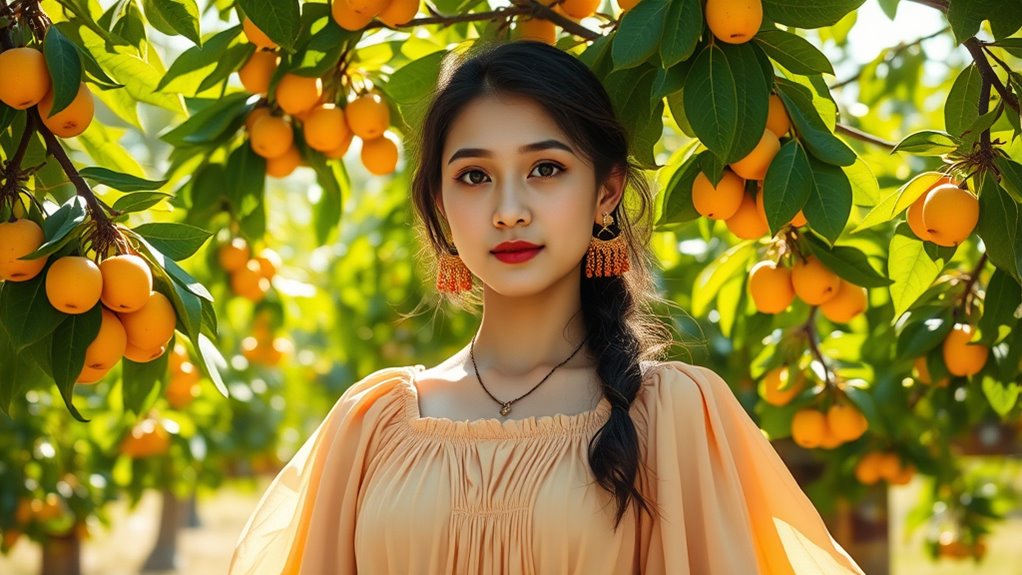
Mila’s linguistic roots have helped it gain popularity across various cultures, where it often carries positive and meaningful connotations. In literature, the name symbolizes kindness, grace, and warmth, reflecting its gentle sound and uplifting meaning. Its cultural symbolism in literature reinforces these qualities, making it a popular choice for characters representing compassion and innocence. Today, Mila’s contemporary usage in naming trends shows its broad appeal, especially among parents seeking a name that’s both modern and rooted in positive symbolism. Its simplicity and melodic sound make it versatile across different languages and cultures. As a result, Mila continues to be embraced worldwide, resonating with those who value names that embody kindness, beauty, and cultural depth. Additionally, the name’s cultural significance further cements its enduring popularity across generations.
Historical Popularity and Trends

Have you ever wondered how Mila’s popularity has evolved over time? Over the decades, trends show a steady rise, especially in recent years. You’ll notice regional popularity shifts, with Mila gaining more prominence in Europe and North America than in other parts of the world. Key points include:
- The surge in the 2000s, driven by celebrity influence and media exposure.
- Consistent popularity in Eastern Europe, where the name has deep historical roots.
- A recent upward trend, reflecting broader cultural shifts towards shorter, melodic names.
- The web-based alarm clock trend indicates how digital tools influence modern naming preferences, making names like Mila more familiar and appealing to a global audience.
These trends over decades highlight Mila’s adaptability and appeal across diverse regions, making it a timeless choice that continues to grow in popularity worldwide.
Variations and Related Names

Curious about the different forms and related names of Mila? You’ll find that nicknames and diminutives like Mili or Milu add a personal touch. Variations include Milena, Camila, and Milica, each carrying its unique charm. These names often connect to mythological figures or cultural roots, enriching their meanings. For instance, Milena is linked to Slavic legends, while Camila has Latin origins. Some related names draw inspiration from mythological characters, such as the Roman goddess Camila, symbolizing strength and resilience. These variations highlight Mila’s versatility across cultures and languages. Whether you prefer the simple, affectionate nicknames or more elaborate forms, each variation offers a distinct way to celebrate this timeless name. Additionally, exploring name variations can reveal a rich tapestry of cultural histories and personal stories behind each form.
Famous Personalities Named Mila

Have you ever come across the name Mila in the world of entertainment, sports, or arts? Many famous personalities carry this charming name, often as a nickname or pet name. For example, Mila Kunis is an acclaimed actress known for her roles in film and TV, showcasing how Mila can become a household name. Additionally, Mila Vasiliu gained fame in Romanian cinema, highlighting cultural diversity. Literary references also contribute to its popularity; Mila is a character in Leo Tolstoy’s “War and Peace,” giving the name a literary depth. Understanding deep-sky imaging can help enthusiasts capture the beauty of celestial names like Mila through astrophotography, connecting the name’s cultural significance with the wonders of the universe.
Some notable points include:
- Mila as a nickname that feels personal and affectionate.
- Its use in classic literature as a memorable character.
- The rise of celebrities boosting the name’s appeal worldwide.
Frequently Asked Questions
What Is the Meaning of Mila in Different Cultures?
You’ll find that the name Mila holds cultural significance variations across different regions. In Slavic countries, it means “gracious” or “dear,” while in Spanish, it’s often associated with “miracle.” The linguistic differences in pronunciation can also influence its perception, making it sound softer or more melodic depending on the language. Overall, Mila’s meaning adapts beautifully to each culture, adding depth to its universal appeal.
Are There Any Mythological Stories Associated With the Name Mila?
There are no widely known mythological figures named Mila, but the name often symbolizes kindness, grace, and compassion in various cultures. You might interpret Mila as embodying qualities of nurturing and strength, making it a meaningful choice for many. While specific myths don’t exist, the symbolic interpretation of Mila reflects a gentle spirit and a connection to positive virtues, inspiring stories of hope and resilience in different traditions.
How Has the Popularity of Mila Changed Globally Over Decades?
You’ll notice Mila’s popularity has grown steadily over the decades, influenced by global naming trends and cultural shifts. In recent years, its appeal has surged in various countries, thanks to its simplicity and international charm. Cultural influences, like media exposure and celebrity usage, have played a big role in boosting Mila’s popularity, making it a trendy choice worldwide. Its evolving status reflects how global trends shape naming preferences over time.
What Are Some Unique Nicknames Derived From Mila?
You’ve hit the nail on the head—there are some charming nicknames inspired by Mila. You might enjoy creative variations like Milly, Mimi, or Millie, each adding a personal touch. For a more playful vibe, try Mili or Mila-Bie. These unique nicknames make Mila even more special, showing your affection and making her feel truly loved. It’s all about finding a name that fits her personality perfectly!
Is Mila Used as a Surname in Any Regions?
You might find Mila used as a surname in some regions, especially within European countries. Surname distribution in Europe shows that Mila can originate from different sources, such as Slavic or Latin roots, often meaning “gracious” or “dear.” Its origins and meanings influence its usage as a surname, making it more common in areas with Slavic or Romance language influences. Keep in mind, surname patterns can vary widely across regions.
Conclusion
As you explore the name Mila, you realize it’s more than just a word—it’s a bridge connecting cultures, history, and personal stories. Like a gentle river flowing through time, Mila carries a timeless charm that continues to evolve. Embrace its rich roots and the many lives it touches, for in naming someone Mila, you’re gifting a piece of history and hope—reminding us all that our names are the whispers of our true selves.