
Sufi-inspired names embody deep beauty and devotion, reflecting rich cultural and spiritual meanings. They connect you to a legacy of love, compassion, and community. Each name, like Rumi or Layla, carries symbolic significance, fostering your identity and guiding your values. By embracing these names, you tap into a shared spiritual heritage that can inspire personal growth and inner peace. Discovering more about these names could reveal even greater insights into their profound impact.
Key Takeaways
- Sufi-inspired names embody devotion and spirituality, reflecting a deep connection between individuals and the divine.
- Names like Rumi and Layla evoke themes of love, beauty, and mystery, enriching personal identity.
- Each name carries cultural significance, influenced by history and geography, adding layers to their meanings.
- These names serve as guiding symbols, promoting values like compassion, hope, and community harmony.
- Embracing Sufi names fosters a journey of self-awareness and encourages spiritual growth through their profound meanings.
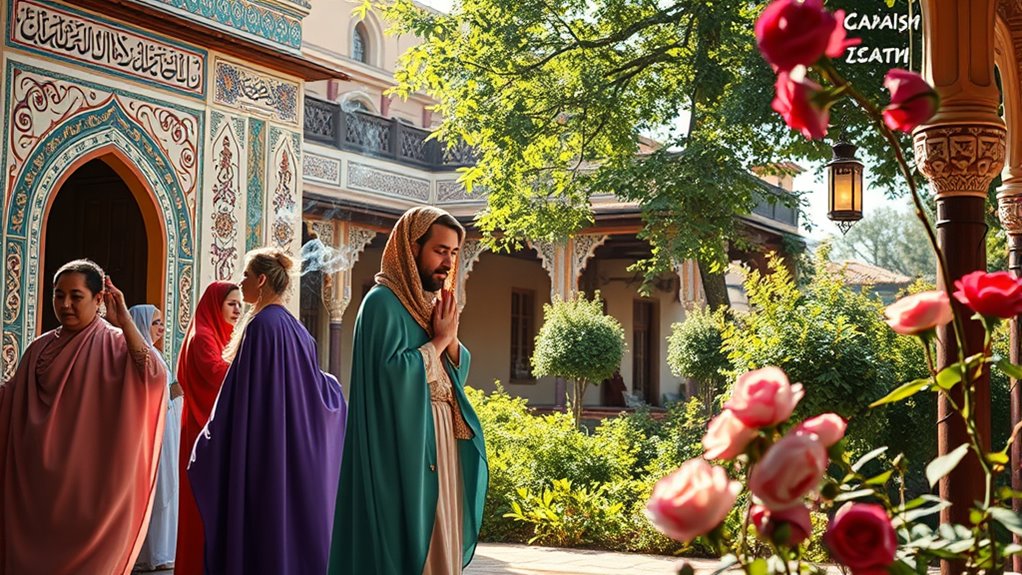
Have you ever wondered how names can carry deep spiritual meanings? In many cultures, names aren’t just labels; they’re imbued with significance that reflects one’s identity, heritage, and beliefs. In the Sufi tradition, names often embody the essence of devotion, love, and the quest for divine connection. You might be surprised to discover how the spiritual significance of these names can influence individuals and communities alike.
Sufi-inspired names often draw from a rich tapestry of cultural influences. The Sufi movement, with its roots in Islamic mysticism, emphasizes the relationship between the individual and the divine. Names like “Rumi,” inspired by the famous poet and mystic Jalal ad-Din Muhammad Rumi, evoke feelings of love and longing for a deeper understanding of the universe. When you hear the name Rumi, it’s not just a name; it’s a reminder of the beauty found in devotion and the pursuit of knowledge through love.
Sufi names, like Rumi, embody love and devotion, reflecting the profound connection between the individual and the divine.
In many cases, Sufi names are selected based on their meanings and the values they represent. “Layla,” for example, means “night,” but it also symbolizes the beauty and mystery of existence. When you choose or carry a name with such significance, it can serve as a guiding light in your life, reminding you of the principles you aspire to embody. The cultural influences that shape these names reflect a diverse blend of history, geography, and spirituality, making them unique and meaningful.
Names like “Nadia,” meaning “hope,” or “Zain,” meaning “beauty,” resonate with a universal longing for positivity and inner peace. Each name holds a story, often steeped in the Sufi tradition’s teachings about love, compassion, and the importance of community. When you connect with these names, you connect with a broader legacy that transcends time and place, inviting you to partake in a shared journey of spiritual awakening. Moreover, the spiritual significance of Sufi names can even inspire practices that enhance personal well-being and foster community connections.
As you explore Sufi-inspired names, you’ll find a wealth of inspiration that can enrich your understanding of identity and purpose. The spiritual significance behind these names invites you to reflect on your own life, encouraging you to contemplate the values you hold dear. Whether you’re naming a child, a character in a story, or even contemplating your own name, embracing the beauty and devotion found in Sufi-inspired names can lead you to a deeper appreciation for the power of words and their ability to shape our reality.
Frequently Asked Questions
What Are the Origins of Sufi-Inspired Names?
The origins of Sufi-inspired names stem from various historical influences, particularly Islamic mysticism and cultural interactions across regions. You’ll find that these names often reflect spiritual qualities, embodying beauty and devotion. Linguistic variations also play a role, as names can differ in pronunciation and meaning across cultures. As you explore, you’ll notice how these names carry deep significance, connecting individuals to their spiritual heritage and the rich tapestry of Sufi thought.
How Do Sufi Names Differ Across Cultures?
Sufi names differ across cultures primarily due to cultural variations in name pronunciation and regional influences on name selection. For instance, while some names may sound similar, their meanings and spellings can vary markedly based on local languages and traditions. In some regions, you might find names reflecting local customs or historical figures, whereas in others, names may emphasize spiritual qualities or virtues, showcasing the rich diversity within Sufi naming practices.
Can Sufi Names Be Used for Both Genders?
Sufi names can soar like majestic birds, transcending gender boundaries. In today’s world, where gender neutral naming traditions are blossoming, you’ll find many modern adaptations of Sufi names that beautifully fit anyone. Picture a name that resonates with spirituality and grace, regardless of gender. These names embrace everyone, wrapping them in a warm, inclusive embrace, reflecting devotion and beauty that knows no limits. So, go ahead and choose one that speaks to you!
Are There Specific Rituals for Naming in Sufism?
Yes, there are specific rituals for naming in Sufism. When you choose a name, you’re often encouraged to contemplate meaningful name choices that reflect spiritual significance. Many families hold a ceremony to celebrate the naming, emphasizing the cultural significance of naming within the community. This ritual often includes prayers and blessings, reinforcing the connection between the name and the individual’s spiritual journey. You’ll find that these practices deepen the spiritual resonance of the chosen name.
How Do Sufi Names Reflect Spiritual Beliefs?
Sufi names shine like stars in the night sky, each holding deep spiritual meaning. They often reflect qualities such as devotion, love, and beauty, embodying the essence of one’s spiritual journey. The meaning behind Sufi names carries cultural significance, connecting individuals to a broader heritage and community. By choosing these names, you embrace a legacy of faith and devotion, fostering a sense of belonging and inspiring a deeper connection to the divine.
Conclusion
In choosing a Sufi-inspired name, you embrace beauty and devotion. You honor the spiritual journey and celebrate the richness of your heritage. You connect with the wisdom of the past while inspiring the future. You find strength in love and compassion, allowing these names to guide your path. So, whether you’re naming a child or seeking a personal identity, remember that each name is a reflection of your heart’s deepest yearnings and a declaration to your soul’s journey.