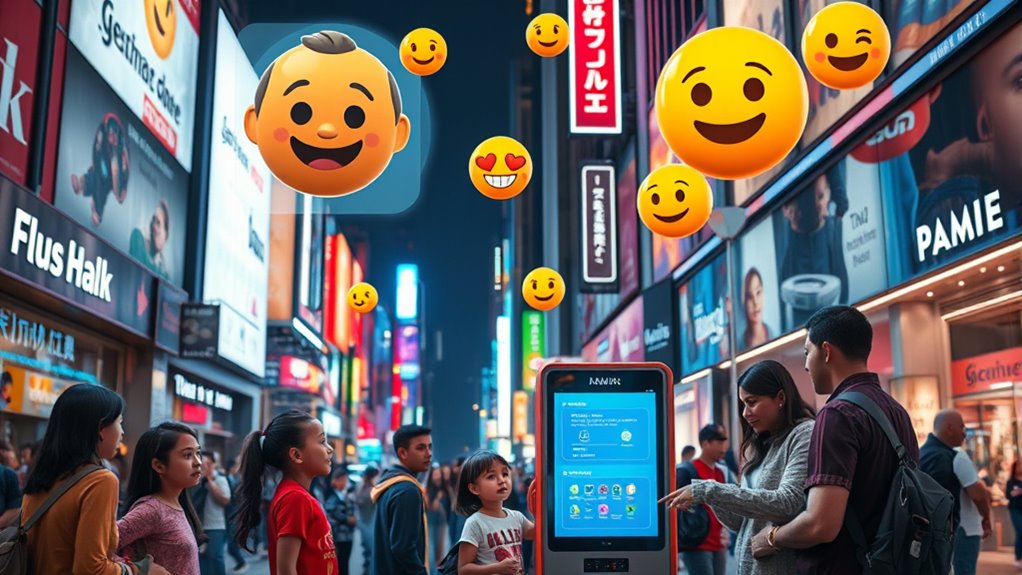

Digital characters and emojis are reshaping naming laws as they challenge traditional norms and legal frameworks. Many parents are now considering unique names that incorporate these expressive symbols. However, countries vary in their acceptance, leading to potential legal hurdles for unconventional names. As digital communication evolves, laws may have to adapt to embrace these innovations. If you’re curious about the cultural and legal implications of this trend, there’s more to explore on this topic.
Key Takeaways
- The rise of emojis in communication is prompting discussions about their acceptance in legal naming practices.
- Some countries enforce strict naming laws that reject non-traditional characters, including emojis, complicating parents’ choices.
- Legal frameworks are slowly evolving, with potential for greater acceptance of digital symbols as legitimate names.
- Cultural variations influence how societies perceive and regulate the use of emojis in names, creating disparities.
- Advocacy for modern naming conventions could lead to a legal landscape that balances tradition with innovative self-expression.

As digital characters and emojis have woven their way into everyday communication, they’re also reshaping naming laws across the globe. You might not think much about it, but the rise of these expressive symbols is prompting a reevaluation of what’s acceptable when it comes to naming children. In many cultures, names hold deep significance, often carrying familial or historical weight. However, with the introduction of emojis and unique digital characters, parents are now faced with both exciting possibilities and complex legal challenges.
Imagine wanting to name your child using a heart emoji or a favorite digital character. While it may seem innocent and fun, many countries have strict naming laws that can raise eyebrows, or even reject certain names outright. You could find yourself grappling with the cultural implications of your choice. Certain societies are more accepting of unconventional names, while others cling to traditional standards. This disparity can create a minefield for parents steering through their options. You might feel the pressure to conform to societal norms, while also wanting to express individuality.
Navigating naming laws can be a delicate balance between expressing individuality and adhering to societal norms.
Legal challenges arise when authorities need to determine whether a name composed of emojis or unconventional symbols is valid. In places like Germany, for instance, names must be easily identifiable as a first name or surname. If you want to use an emoji, it may not align with these requirements. The implications can be frustrating, especially if you believe your child’s name can be a symbol of modern identity. You’re not just battling bureaucracy; you also face the cultural perception of what a name should be.
As digital communication continues to evolve, naming laws will likely have to adapt. You may find that some jurisdictions begin to relax their restrictions as people advocate for the right to choose more expressive names. This shift could lead to a legal landscape that embraces both tradition and modernity. It’s a fascinating time to be a parent, as you ponder whether to embrace these digital symbols or stick with conventional choices.
In the end, the conversation around digital characters and emojis in naming is far from over. You might be at the forefront of a cultural shift, influencing future generations. Embracing the change could mean redefining not just names, but also the very essence of identity in a digital age. It’s an exciting yet challenging journey, where your choices can spark broader discussions about culture, legality, and self-expression.
Frequently Asked Questions
Can I Use a Digital Character as My Child’s First Name?
You can’t use a digital character as your child’s first name due to naming regulations in most places. These laws typically focus on ensuring names are recognizable and manageable within society. While digital identity plays a big role in today’s culture, legal systems haven’t fully adapted. So, if you’re considering a unique name inspired by a digital character, you might need to find a more traditional alternative that complies with the rules.
Are There Countries That Already Recognize Emoji Names Legally?
Can you imagine introducing yourself with an emoji as your name? In some countries, like New Zealand, emoji recognition is becoming a reality, but it’s not widespread. Legal name regulations still vary considerably across the globe. While some places embrace creative names, others stick firmly to traditional alphabets. So, if you’re considering an emoji name, check your local laws, as acceptance can differ greatly from one country to another.
What Is the Legal Process for Changing a Name to an Emoji?
To change your name to an emoji, you’ll need to follow your country’s legal process for name changes. This often involves submitting a petition to the relevant authority, demonstrating how this reflects your digital identity. You might also have to navigate legal reforms that address emoji usage in names. After approval, you can update your official documents, making your emoji name part of your identity. Just be prepared for potential challenges along the way!
How Do Different Cultures View the Use of Emojis in Names?
In a world where names can dance like fireflies in the night, different cultures hold unique views on emojis in names. In some societies, emoji acceptance reflects modernity and creativity, blending seamlessly with cultural naming conventions. Others, however, may see it as a break from tradition, sparking debates about identity and respect. Ultimately, how you perceive emojis in names often depends on your cultural background and the evolving norms within your society.
Will Naming Laws Continue to Evolve With Technology Advancements?
Yes, naming laws will continue to evolve with technology advancements. As technology influences how you communicate, legal adaptation becomes necessary to reflect these changes. You’ll likely see more flexibility in naming conventions as digital characters and emojis gain popularity. Governments will need to address these shifts, balancing tradition with modernity. This evolution will shape identity and culture, ultimately allowing you to express yourself in more diverse and creative ways.
Conclusion
As digital characters and emojis increasingly make their way into official names, it’s clear that naming laws are evolving. In fact, a recent study found that over 10% of parents in some regions are considering using emojis in their child’s name. This shift not only reflects the growing influence of technology on our lives but also raises important legal and cultural questions about identity and representation. Embracing these changes could redefine how we perceive names in the digital age.