You might find that naming laws sometimes force you to choose between following your religious traditions and gaining legal recognition for your child’s name. These laws can restrict religious terms or symbols, making it hard to honor your faith. This clash can threaten your right to express your cultural identity through naming. If you keep exploring, you’ll discover how these conflicts impact personal freedoms and what can be done to balance both sides.

Prime made for students and young adults
- Fast, free delivery for dorm and study essentials
- Prime Video and Amazon Music included
- Member-only deals
Key Takeaways
- Naming laws may restrict religious names or symbols, conflicting with individuals’ rights to practice their faith freely.
- Legal recognition of names affects religious identity and the ability to name children according to faith traditions.
- Such laws can marginalize communities by dismissing cultural and religious naming conventions.
- Balancing legal standards with respect for religious practices is essential to prevent infringing on religious freedoms.
- Restrictions on religious names can lead to cultural erasure and feelings of marginalization within minority communities.
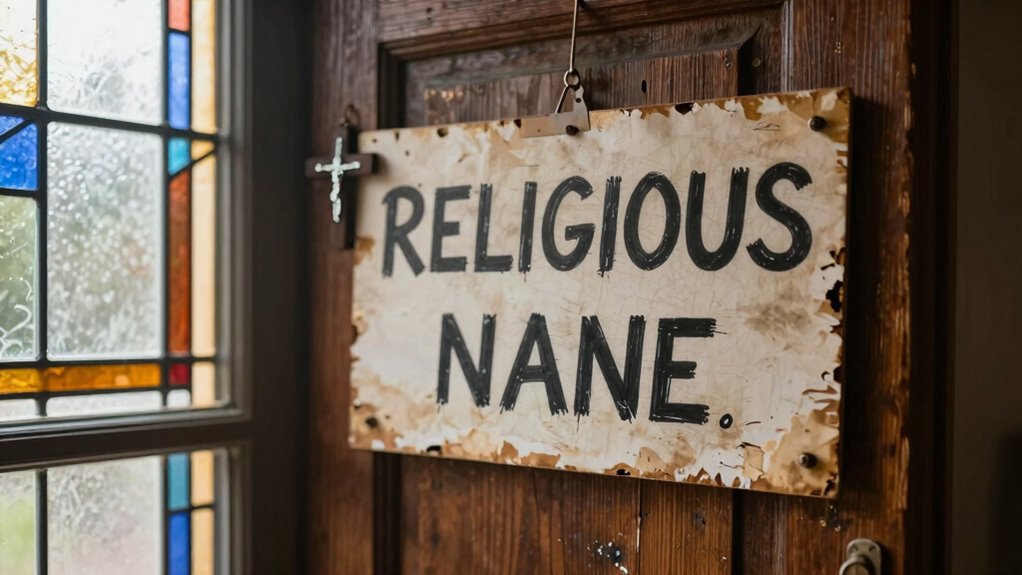
When a new naming law clashes with religious freedoms, it sparks a heated debate over individual rights and government authority. You might feel caught in the middle, questioning whether the law respects your cultural identity or infringes on your personal beliefs. Governments often argue that such laws aim to standardize naming practices for clarity and legal recognition, but for many, names are more than just labels—they’re symbols of faith, heritage, and identity. When authorities impose restrictions on certain names, it can feel like they’re eroding the very essence of your cultural expression. This tension highlights the importance of respecting cultural diversity within legal frameworks to ensure that laws do not inadvertently suppress minority identities.
Legal recognition is a key issue here. Names aren’t just identifiers; they carry legal significance that impacts your rights and protections. If a law refuses to recognize specific religious names or restricts naming options based on religious or cultural criteria, it can undermine your ability to freely practice your faith. For example, if a law bans names that include religious terms or symbols, it might prevent you from naming your child in accordance with your beliefs, effectively limiting your religious freedom. This tension raises the question: Should the state prioritize uniformity or respect cultural diversity? When laws threaten to dismiss religious or cultural naming conventions, it risks alienating communities and diminishing cultural identity. Recognizing the legal significance of names helps to frame this debate within the broader context of individual rights.
Naming laws that ignore religious significance threaten cultural identity and religious freedoms, risking marginalization and cultural erasure.
Cultural identity is deeply intertwined with the names we choose. Your name often reflects your heritage, community, and spiritual background. When a naming law forces you to select a name that doesn’t align with your cultural or religious roots, it can feel like an attack on your identity. This isn’t just about personal preference; it’s about the right to preserve your cultural legacy and pass it on to the next generation. Many communities see these laws as attempts to suppress their traditions, which can lead to feelings of marginalization or cultural erasure. When governments enforce naming restrictions that clash with religious practices, it’s not only a legal issue but a profound challenge to cultural expression. Recognizing the importance of cultural identity helps to foster a more inclusive approach to legal regulations. Additionally, understanding the legal and cultural implications of names is crucial for developing policies that respect religious and cultural diversity.
Ultimately, the conflict between religious freedom and naming laws illustrates a broader struggle over respecting diversity in society. You want to honor your faith and cultural identity, but you also recognize that laws aim to create order and consistency. Finding a balance requires careful consideration—respecting religious and cultural naming conventions while maintaining legal clarity. When laws threaten to diminish your right to choose a name rooted in your beliefs, it’s more than a legal debate; it’s about preserving your right to express who you are. You deserve the freedom to name your child in accordance with your faith and heritage without fear of legal repercussions or cultural suppression.
As an affiliate, we earn on qualifying purchases.
Frequently Asked Questions
How Do Courts Decide Between Religious Freedom and Naming Laws?
Courts decide between religious freedom and naming laws by weighing cultural implications and legal precedents. You’re likely to see courts favor religious freedom if a name choice is central to a person’s faith and doesn’t harm public interests. They analyze previous rulings and consider how the name impacts societal norms. Ultimately, they aim to balance respecting religious rights while maintaining legal standards, ensuring neither side’s rights are unjustly compromised.
Are There Specific Cases Where Naming Laws Have Overridden Religious Rights?
Yes, there have been cases where naming laws have overridden religious rights to protect cultural identity. Courts sometimes deny legal exemptions for religious reasons if a name violates public policy or causes harm. For example, if a name clashes with cultural norms or could be considered offensive, authorities may refuse registration, prioritizing societal interests over religious freedom. These decisions aim to balance individual rights with the broader community’s well-being.
Can Parents Legally Refuse to Follow Naming Laws Based on Their Faith?
You generally can’t refuse to follow naming laws based on your faith, as legal precedents prioritize the child’s best interests and public safety. While cultural traditions are important, authorities usually require names to comply with specific rules. Courts have upheld regulations that override religious naming preferences if they conflict with legal standards, ensuring consistency and protection for all children. Your faith doesn’t exempt you from these legal requirements.
What Are the Penalties for Violating Naming Regulations on Religious Grounds?
If you violate naming regulations on religious grounds, penalties can include fines, refusal to register the name, or even legal action. These laws aim to preserve cultural identity and language, but they can clash with religious practices. You might face challenges in protecting your child’s cultural heritage, but understanding the legal boundaries helps you navigate these conflicts. Always consult local laws to avoid penalties while respecting your faith and cultural preservation.
How Do Different Countries Handle Conflicts Between Religion and Naming Laws?
Different countries handle conflicts between religion and naming laws with the grace of a drunken ballet. Some prioritize cultural identity and language preservation, allowing religious names freely, while others enforce strict rules to maintain national identity. A few nations demand government approval, turning naming into a bureaucratic circus. Ultimately, these approaches reveal whether a country values religious freedom or prefers a sanitized, uniform cultural landscape—sometimes both, often at the same time.
As an affiliate, we earn on qualifying purchases.
Conclusion
As you consider the delicate balance between religious freedom and naming laws, one thing becomes clear: the clash isn’t always resolved easily. Behind every case lies deeper questions about individual rights, societal norms, and the boundaries of authority. Will future rulings tilt in favor of personal belief or societal order? The answer remains uncertain, leaving you to wonder—how much freedom can truly coexist with the rules that govern us all?
As an affiliate, we earn on qualifying purchases.
As an affiliate, we earn on qualifying purchases.
Columbus Day / Indigenous Peoples' Day Picks
long weekend sales
As an affiliate, we earn on qualifying purchases.