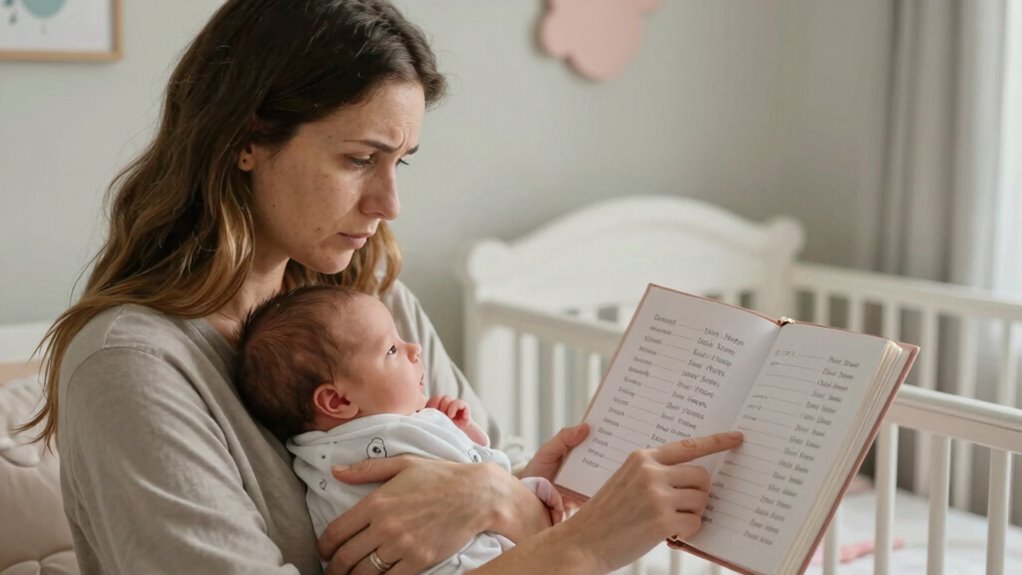

Many parents avoid choosing meaningful, culturally significant names because they worry about mispronunciations and social misunderstandings. You might fear your child will face teasing, awkward moments, or constant corrections, causing embarrassment. While pronunciation challenges are often temporary, these concerns make you hesitate to select names that reflect heritage and values. If you keep exploring, you’ll discover ways to overcome these worries and embrace names that truly resonate with your identity.

Prime made for students and young adults
- Fast, free delivery for dorm and study essentials
- Prime Video and Amazon Music included
- Member-only deals
Key Takeaways
- Parents fear mispronunciations may lead to social embarrassment or teasing for their children.
- Concerns over pronunciation difficulties may cause parents to choose more familiar, less meaningful names.
- Anxiety about constant correction or explanations can discourage parents from selecting culturally significant names.
- Pronunciation challenges are perceived as barriers to social integration and acceptance.
- Parents may avoid unique names to prevent ongoing pronunciation issues and potential social awkwardness.

Many parents shy away from choosing unique or culturally significant names for their children because they worry about pronunciation challenges. They fear that a complicated or unfamiliar name might lead to constant mispronunciations, miscommunications, or even teasing. This hesitation often stems from a desire to help their child avoid uncomfortable situations or social awkwardness. However, this cautious approach can mean passing up on names that carry deep cultural influences or meaningful stories. You might find yourself avoiding a name because it’s not common in your community, even if it resonates with your heritage or personal values.
Choosing unique or cultural names may involve pronunciation challenges, but their meaningful stories and heritage are worth the effort.
The desire for name uniqueness is natural. You want your child’s name to stand out, to be special, and to reflect their identity in a meaningful way. Yet, the fear of mispronunciation can overshadow this intention. Many parents worry that others will butcher the name, making your child feel embarrassed or different. This anxiety can lead you to opt for more familiar, easier-to-pronounce names, even if they lack the cultural depth or uniqueness you’d prefer. It’s a balancing act—wanting to honor cultural influences while also considering practicality.
You might also think about how others will perceive the name. Will colleagues, teachers, or friends be able to pronounce it correctly? Will your child face constant correction or explanation? These questions can make you lean toward safer, more conventional choices. But it’s important to recognize that pronunciation challenges are often temporary and can be overcome with patience and practice. Embracing the uniqueness of a name, especially one rooted in cultural influences, can teach your child resilience and pride in their heritage. Recognizing that pronunciation guides exist can help ease some of these concerns and foster understanding.
Choosing a name that’s meaningful and culturally significant might seem intimidating, but it’s also an opportunity to celebrate diversity and identity. If you’re worried about pronunciation, consider how you can help your child and others learn the correct way. Often, people are enthusiastic to learn and will appreciate the effort you make to preserve cultural authenticity. Plus, by choosing a name that’s less common, you’re helping your child stand out in a positive way, fostering a sense of individuality and cultural pride.
Ultimately, your concern about pronunciation should not overshadow the importance of a name that truly reflects your values and heritage. While it’s natural to worry about potential hurdles, remember that many cultural influences have rich histories and pronunciation guides that can ease the way. Your child’s name is a gift—unique, meaningful, and worth the effort to pronounce correctly, no matter how unfamiliar it may seem at first.
pronunciation guides for baby names
As an affiliate, we earn on qualifying purchases.
As an affiliate, we earn on qualifying purchases.
Frequently Asked Questions
How Can Parents Overcome Pronunciation Anxiety When Choosing a Name?
To overcome pronunciation anxiety when choosing a name, you can practice saying it aloud and ask friends or family for feedback. Research common nicknames to avoid confusion and consider spelling variations to reduce spelling challenges. You might also write the name down to see how it looks on paper. Embracing the uniqueness of the name can boost your confidence, helping you feel more comfortable with pronunciation and sharing it confidently.
Are There Cultural Factors Influencing Pronunciation Concerns in Naming?
Cultural factors, like naming traditions and linguistic diversity, profoundly influence pronunciation concerns. You might worry about mispronouncing names rooted in different cultures, which can lead to anxiety. These challenges stem from unfamiliar sounds or spelling variations. Embracing cultural awareness, practicing pronunciation, and seeking guidance from community members can help you confidently choose and pronounce names, respecting their cultural significance while reducing your pronunciation anxiety.
Do Pronunciation Fears Affect Naming Choices for Boys Versus Girls?
Pronunciation fears often influence your naming choices differently for boys and girls. You might feel more comfortable selecting unique, easily pronounceable names for girls due to societal gender preferences that favor traditional or familiar names. For boys, you may worry about pronunciation and how it affects their confidence or social acceptance. This anxiety can lead you to choose more common or phonetically straightforward names, avoiding those that are unique but potentially harder to pronounce.
How Do Pronunciation Issues Impact a Child’s Social Interactions?
Think of your child’s social world as a garden where mispronunciations and nicknames confusion are weeds that hinder growth. When peers struggle with a name, it can lead to teasing or mispronunciations, causing your child to feel self-conscious or isolated. Siblings might mistakenly mispronounce it, adding to confusion. These issues can affect confidence, making social interactions more challenging. Choosing a clear, pronunciation-friendly name helps your child blossom socially.
Can Pronunciation Anxiety Lead to Regret Over Naming Decisions?
Yes, pronunciation anxiety can lead to regret over naming decisions. When you worry about pronunciation perfection, you might choose a simpler name or avoid a meaningful one, impacting your naming confidence. This hesitation can cause you to second-guess your choice later, feeling disappointed or regretful. To prevent this, focus on names that resonate with you and embrace the uniqueness of pronunciation, boosting your confidence in your decision.
As an affiliate, we earn on qualifying purchases.
Conclusion
Think of choosing a name like planting a seed in a garden. You might hesitate, fearing the weeds of mispronunciation that could sprout. But with patience and care, that seed can grow into a beautiful, strong tree, proud and unshaken. Don’t let pronunciation anxiety keep your child’s name hidden in the shadows. Embrace the journey, nurture your confidence, and watch as your chosen name blossoms, becoming a symbol of love and strength in your family’s garden.
baby name pronunciation practice tools
As an affiliate, we earn on qualifying purchases.
As an affiliate, we earn on qualifying purchases.
name pronunciation learning apps
As an affiliate, we earn on qualifying purchases.
As an affiliate, we earn on qualifying purchases.
Halloween Picks
halloween
As an affiliate, we earn on qualifying purchases.