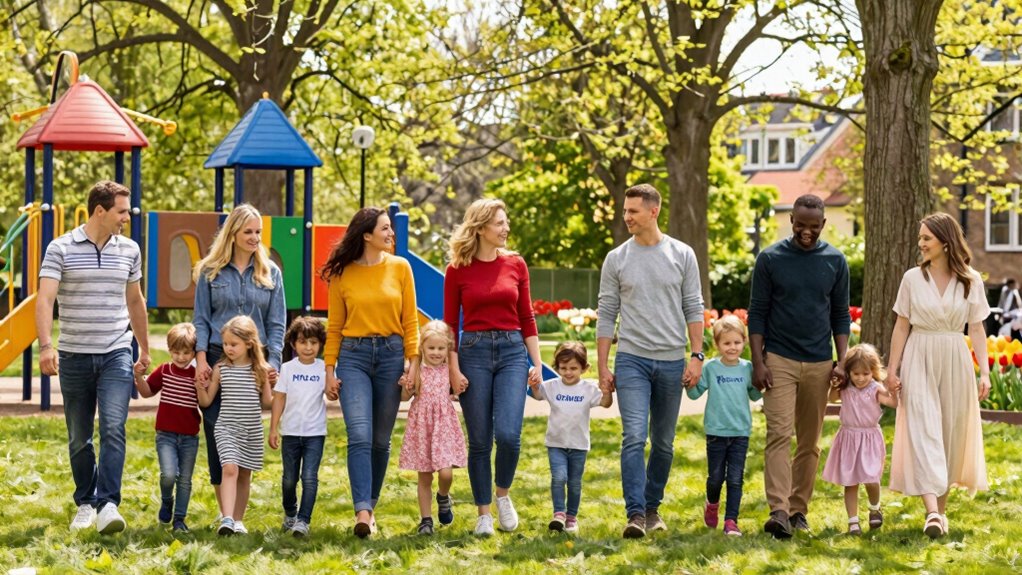

Many parents outside the Netherlands choose Dutch names because they blend cultural heritage with modern appeal. You’ll find classic options like Jan and Maria for timeless stability, while names like Noah and Liv reflect current international trends. Short, simple names such as Bram or Lena are also popular for their contemporary vibe. These names often honor tradition while feeling fresh and relevant in a globalized world. If you want to explore more, you’ll discover even more inspiring choices.
Key Takeaways
- Dutch parents abroad favor names that blend cultural heritage with modern, globally accessible pronunciation.
- Classic Dutch names like Jan and Maria remain popular for their timeless significance.
- Contemporary choices such as Noah and Liv reflect international influences and current trends.
- Short, simple names like Bram and Lena are preferred for their modern appeal.
- Names that honor tradition while being versatile and easy to pronounce are highly valued internationally.

Dutch parents often choose names that blend tradition with a modern touch, reflecting their cultural heritage while embracing contemporary trends. When selecting a name, they consider the cultural significance in naming, understanding that names often carry historical or familial meanings. For example, names like Jan or Maria have deep roots in Dutch history and religion, symbolizing stability and faith. At the same time, many parents want their children’s names to feel fresh and relevant, which is why you’ll see a mix of classic and current choices. Over the decades, popularity trends in Dutch names have shifted, with some old-fashioned names making a comeback and new ones rising in favor. In the 1950s and 60s, names like Johan and Anne were prevalent, often passed down through generations. As time progressed, more diverse and international influences appeared, leading to a broader spectrum of names. Today, you’ll notice a trend toward shorter, simpler names like Bram or Lena, which reflect a desire for ease and modernity, yet many parents still honor tradition by choosing names that connect to their cultural roots. Additionally, the influence of naming trends from other countries has encouraged Dutch parents abroad to select names that are both meaningful and globally accessible. Recognizing the importance of cultural influence helps explain why Dutch parents outside the Netherlands often choose names that balance tradition with global appeal.
When you look at naming popularity trends over decades, it’s clear that Dutch parents value balancing the old with the new. Names that once dominated in the mid-20th century, such as Willem or Saskia, are now cherished as classic choices, often revived for their timeless appeal. Conversely, innovative names inspired by international trends, like Noah or Liv, have gained popularity more recently, showing a shift towards global influences. This evolution reveals how Dutch parents outside the Netherlands are influenced by both their heritage and the wider world. They often pick names that resonate culturally but also feel contemporary and easy to pronounce in various languages. As a result, a name like Lucas, once uncommon in the Netherlands, has become popular among Dutch families abroad, blending Dutch roots with international appeal. This blending of cultural influences and modern preferences demonstrates how dynamic the naming landscape has become.
In essence, your choice of a Dutch name outside the Netherlands reflects a deep appreciation for your cultural history while embracing modern naming trends. You seek names that are meaningful, timeless, and versatile enough to suit a globalized world. Whether you lean toward classic names with historical significance or modern, trendy options, understanding these naming trends and their cultural importance helps you make a choice that honors your heritage while fitting into contemporary life. Ultimately, your child’s name becomes a bridge between generations and cultures, embodying both tradition and progress.
As an affiliate, we earn on qualifying purchases.
Frequently Asked Questions
Are Dutch Names Suitable for Children of All Cultural Backgrounds?
Dutch names can be suitable for children of all cultural backgrounds, thanks to their cultural adaptability. Modern trends favor unique and international-sounding names, which often blend traditional Dutch choices with global influences. While some may prefer traditional Dutch names for their heritage, others find modern Dutch names appealing because they are easy to pronounce and integrate across different cultures. Overall, Dutch names offer flexibility and can suit diverse backgrounds.
How Do Dutch Names Vary Between Regions in the Netherlands?
Did you know that regional naming trends influence Dutch names considerably? In the Netherlands, dialectal influences shape names across regions—like Frisian names in Friesland or Limburgian variants in the south. You notice these differences in pronunciation and spelling, reflecting local culture. So, if you visit different areas, you’ll see unique regional flavors in names, which highlight the rich diversity within Dutch naming traditions.
What Are the Traditional Naming Customs in Dutch Families?
In Dutch families, traditional naming customs often involve Dutch naming ceremonies, where a child’s name is celebrated publicly. You might choose names influenced by religion, like biblical names, reflecting the influence of religion on names. Typically, parents select names based on family traditions, saints, or historical figures, and sometimes incorporate names from previous generations. These customs emphasize familial bonds, religious roots, and cultural heritage in Dutch naming traditions.
Do Dutch Names Have Specific Meanings or Origins?
Dutch names often have specific meanings rooted in history and culture, reflecting their origins and influences. You might face Dutch name pronunciation challenges, but understanding their historical influences, like biblical or regional roots, helps. Many names carry meanings related to virtues, nature, or historical figures. By learning these origins, you gain insight into Dutch heritage, making it easier to appreciate the significance behind each name, even if pronunciation takes some practice.
Are There Popular Dutch Names Among Celebrities or Public Figures?
Like stars shining brightly in the night sky, some Dutch names have gained popularity among celebrities and public figures. You’ll find celebrity baby names inspired by famous Dutch figures, such as Maxima or Johan. These names often reflect Dutch heritage and are making waves globally. Celebrities choose these names to honor their roots or to add a unique, meaningful touch to their children’s identities.
As an affiliate, we earn on qualifying purchases.
Conclusion
You now see why Dutch names are gaining popularity worldwide. Nearly 70% of parents outside the Netherlands choose Dutch-inspired names, drawn to their unique blend of tradition and modernity. Whether it’s a classic like Emma or a trendy new choice, these names carry a sense of heritage and style that appeals globally. Embracing Dutch names means connecting to a rich cultural history while giving your child a distinctive, meaningful identity.
As an affiliate, we earn on qualifying purchases.
Cultural heritage baby name accessories
As an affiliate, we earn on qualifying purchases.
As an affiliate, we earn on qualifying purchases.
Fall Picks
fall essentials
As an affiliate, we earn on qualifying purchases.