
Hungarian names have deep cultural roots, often reflecting history, religion, and tradition. First names usually have meaningful origins linked to saints, historical figures, or characteristic traits, while surnames often indicate family occupation or lineage. The name order typically places the family name first, followed by the given name, but modern trends are changing this. To uncover more about these rich naming customs and their evolution, keep exploring this fascinating topic.
Key Takeaways
- Hungarian names often have meanings rooted in history, religion, and tradition, reflecting cultural values.
- Given names are gender-specific, with male names like István and female names like Erzsébet, often linked to saints or historical figures.
- The traditional Hungarian name order places the family name first, followed by the given name (e.g., Nagy István).
- Modern trends see more flexibility in name order, including reverse or international naming patterns.
- Name day celebrations are a significant cultural tradition, honoring saints associated with specific names.
The Historical Roots of Hungarian Names

Hungarian names have deep roots that trace back to the region’s complex history and cultural influences. Over time, the naming customs evolution reflects a blend of traditions from the Magyar tribes, neighboring peoples, and later European standards. Historically, Hungarian naming practices favored patronymic and matronymic systems, where children’s names often honored ancestors or saints. Names were chosen based on religious significance, family ties, and social status, with some names passing through generations unchanged. During various periods, especially under foreign rule, naming conventions adapted to broader cultural trends, yet many traditional elements persisted. This rich history of naming practices highlights how Hungarians preserved their identity even as external influences shaped their naming customs over centuries. Throughout history, Hungarian naming traditions have remained resilient, demonstrating the significance of cultural heritage in personal identity.
Common Hungarian Given Names and Their Meanings
Many common Hungarian given names carry rich meanings rooted in history, religion, and tradition, offering insight into the values and heritage of the culture. You’ll notice gender-specific name preferences, with certain names traditionally assigned to males or females, reflecting societal roles and beliefs. For example, names like István for men and Erzsébet for women are prevalent. Regional name variations also influence choices; in the south, you might find different versions or diminutives compared to the north, illustrating local customs and dialects. Some names have evolved over time, blending old traditions with modern trends, yet they still preserve their cultural significance. Additionally, name origins play a key role in understanding the deeper meaning behind each name, shedding light on Hungary’s rich naming heritage.
Popular Surnames and Their Origins
You’ll find that most Hungarian surnames reveal intriguing clues about your ancestors’ origins, occupations, or the places they lived. Surname origins often trace back to trades like “Szabó” (tailor) or “Kovács” (blacksmith), showcasing traditional occupations. Others refer to geographical features or locations, such as “Varga” (carpenter) or “Földes” (farmer). Many surnames are derived from personal characteristics or nicknames, like “Nagy” (big) or “Kis” (small). These patterns highlight your Hungarian family lineage’s history and social background. Understanding these origins helps you connect with your heritage, revealing stories of your ancestors’ lives and the communities they belonged to. Additionally, curiosity about name origins can deepen your appreciation for cultural history and foster a stronger sense of identity. Overall, Hungarian surnames serve as meaningful markers of identity rooted in history and culture.
The Significance of Religious Names in Hungary
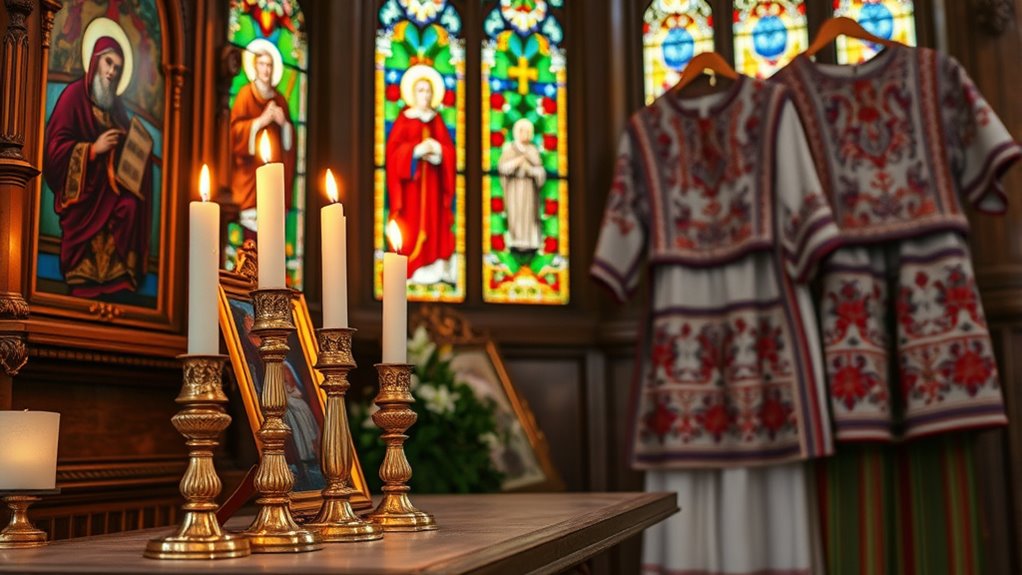
Have you ever wondered how religious names shape Hungarian identity? In Hungary, religious significance plays a crucial role in naming traditions. Sacred naming traditions often honor saints, religious figures, or biblical themes, reflecting deep spiritual values. Many Hungarians receive names inspired by Christian saints, hoping to invoke their protection or virtues. These names connect individuals to Hungary’s rich religious history and serve as a reminder of faith’s importance in daily life. Naming practices are often guided by church customs, reinforcing cultural continuity. Religious names also influence personal identity, shaping how people see themselves within their community. By adopting sacred names, Hungarians preserve a sense of spiritual heritage while strengthening their cultural bonds. This enduring tradition highlights the profound role religion plays in Hungarian naming culture. Additionally, religious names often carry historical significance, linking individuals to Hungary’s religious past and national identity.
The Cultural Importance of Name Day Celebrations
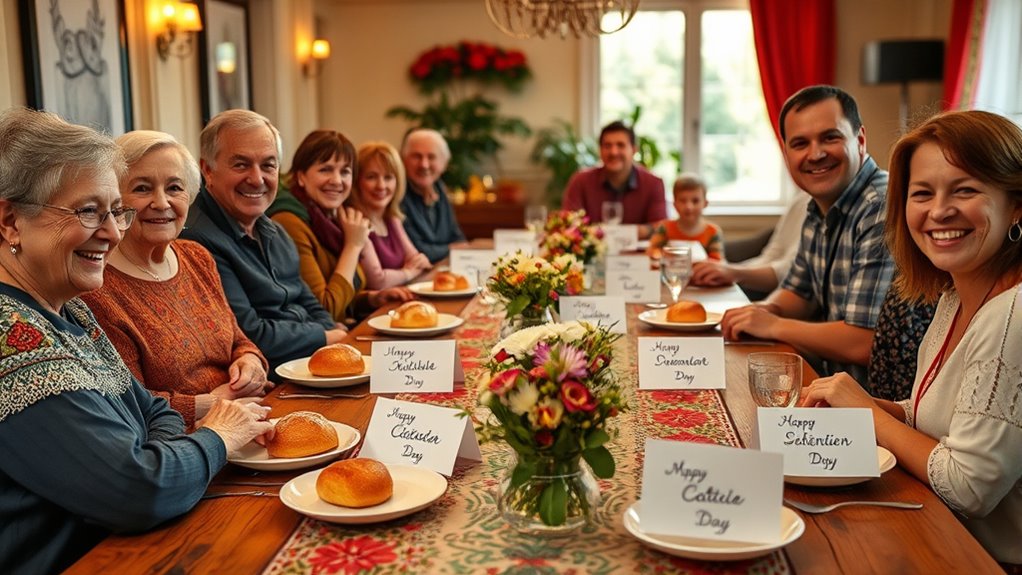
Have you ever wondered why name day celebrations hold such special significance in Hungarian culture? Celebrating name days is more than just marking a date on the calendar; it’s a deep-rooted tradition that strengthens social bonds. These celebrations honor saints or religious figures associated with your name, creating a sense of community and belonging. The cultural significance goes beyond personal joy, often involving family gatherings, well-wishes, and gifts. It’s a time to connect with loved ones and show appreciation. In Hungary, name days are considered just as important as birthdays, reflecting respect for tradition and faith. Participating in these festivities helps preserve cultural identity and reminds you of your roots, making name day celebrations an essential part of Hungarian life. Understanding the cultural practice behind these festivities reveals their importance in fostering community and cultural continuity.
Traditional Naming Conventions and Practices
Did you know that traditional Hungarian naming conventions often reflect religious, cultural, or family significance? Naming ceremonies are important events where newborns receive their official names, often aligned with saints or ancestors. Hungarian names are typically gender-specific, emphasizing distinctions between boys and girls from birth. During these ceremonies, families choose names based on tradition, meaning, and religious customs. The meaning of names can often be traced back to historical figures or linguistic roots, reinforcing cultural identity.
The Role of Family and Heritage in Naming
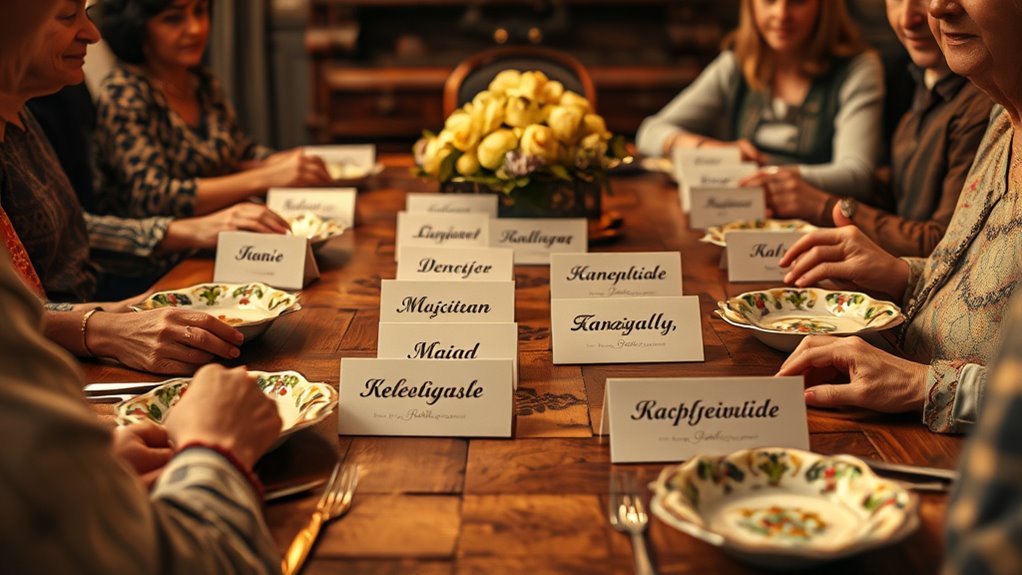
In Hungarian naming practices, family and heritage play an essential role, shaping the choices made during naming ceremonies. Your family legacy influences whether you carry on ancestral naming practices or choose names that honor relatives. Names often reflect a respect for ancestors and their traditions. You might see names passed down through generations or selected to honor family members. These practices help preserve cultural identity and strengthen family bonds. Understanding this connection can give you insight into Hungarian customs and values. Additionally, cultural identity is often reinforced through these naming traditions, emphasizing the importance of heritage in personal identity.
The Influence of Language and Dialects on Names
Language and dialects profoundly shape Hungarian names, reflecting regional identities and cultural nuances. Dialect variations influence how names are pronounced and sometimes even how they’re spelled, highlighting local traditions. Regional pronunciation can alter the sound of familiar names, making them unique to specific areas. For example, a name common in Budapest might sound quite different in Szeged due to dialect differences. These variations help preserve local linguistic heritage and create a sense of community. You may notice that certain names are adapted to fit regional pronunciation, which can lead to distinct forms across Hungary. Dialects therefore play a pivotal role in shaping the way Hungarian names are spoken and understood, emphasizing the country’s rich linguistic diversity and deep cultural roots. Additionally, phonetic differences arising from dialects can influence how names are recorded officially, contributing to the diversity of Hungarian naming customs.
Modern Trends and Changes in Hungarian Naming Customs
You might notice that more Hungarians are choosing international names these days, reflecting global influences. Popular culture, from movies to social media, also shapes naming trends and preferences. Additionally, the traditional name order is shifting as modern parents experiment with new arrangements. Ventilation considerations and proper airflow play a role in creating comfortable and safe living environments, just as evolving naming customs reflect changes in cultural practices.
Shift Toward International Names
Have Hungarian naming customs truly shifted toward embracing more international names? Yes, you’ll notice a growing trend of adopting names influenced by international naming conventions and global cultural influences. This change reflects Hungary’s openness to diverse traditions and modern preferences. You might see parents choosing names from different countries, blending local and global styles. This shift is driven by increased travel, media exposure, and intercultural connections.
- Popular international names like Emma, Liam, and Sofia are now common.
- Hungarian parents often combine traditional roots with modern, global trends.
- Naming choices mirror broader cultural integration.
- International names are perceived as more modern and cosmopolitan.
- This trend signifies Hungary’s evolving identity in a globalized world.
Influence of Popular Culture
How has popular culture reshaped Hungarian naming customs? Today, pop culture name trends heavily influence parents choosing names for their children. Celebrity influence on naming plays a key role, with many parents inspired by famous figures. This shift creates a vibrant mix of traditional and modern names. Imagine a table where names like “Luca,” “Mila,” or “Nora” sit alongside classic Hungarian names.
| Traditional Names | Modern Pop Culture Names | Celebrity-Inspired Names |
|---|---|---|
| István | Luca | Beyoncé |
| Erzsébet | Mila | Brad |
| Gábor | Nora | Rihanna |
| Ágnes | Emma | Justin Bieber |
These trends highlight how modern influences reshape Hungarian naming customs daily. Additionally, naming conventions evolve as society becomes more globalized, reflecting broader cultural shifts.
Changing Name Order Trends
As Hungarian naming customs continue to evolve under the influence of popular culture, a noticeable shift occurs in the order of names. You’ll see more variations in name order, reflecting changing preferences. Traditional gender-based name arrangements are becoming more flexible, with some parents choosing unisex names or reversing the usual order. This trend is driven by a desire for individuality and global influences. Additionally, the increasing awareness of AI ethics and the importance of ethical considerations may influence how names are chosen to promote inclusivity and respect for diverse identities.
Frequently Asked Questions
How Do Hungarian Names Reflect Regional Cultural Differences?
You’ll notice Hungarian names reflect regional cultural differences through various dialects and traditional naming patterns. In some areas, you might hear unique variations of common names influenced by local dialects, while others preserve traditional naming customs passed down through generations. These regional nuances showcase Hungary’s diverse cultural tapestry, allowing you to see how local history and language shape personal identities. Names serve as a reflection of regional pride and cultural heritage.
Are There Specific Rules for Naming Children in Hungary?
You should know that Hungary has specific rules for naming children, rooted in cultural naming conventions. Parents usually choose names that honor tradition and family, respecting the order of given name followed by the family name. During the naming ceremony, traditions may include blessings or rituals. These rules and practices help preserve cultural identity and guarantee names align with societal norms, making the process meaningful and respectful of Hungary’s heritage.
How Has Globalization Affected Hungarian Naming Traditions?
Globalization has profoundly impacted Hungarian naming traditions by introducing modern naming trends, blending local and international influences. You might notice more parents choosing globally popular names or combining traditional Hungarian names with foreign elements. This globalization impact encourages diversity in names, making Hungarian naming practices more dynamic. While respecting cultural roots, people now have broader options, reflecting a more interconnected world where modern trends shape and evolve traditional naming customs.
What Influence Do Hungarian Minority Communities Have on Naming Customs?
You’re witnessing a powerful wave where Hungarian minority communities profoundly influence naming customs, shaping cultural identity significance like never before. Their unique naming practices, steeped in tradition and pride, breathe new life into Hungarian naming traditions. These communities fiercely preserve their heritage, ensuring their names echo through generations, reminding everyone of their distinct identity. Their impact creates a vibrant tapestry of names that celebrates diversity and unity within Hungary’s rich cultural landscape.
Are Hungarian Names Typically Gender-Specific or Unisex?
Hungarian names are typically gender-specific, but unisex naming trends are growing in popularity. You might find more gender-neutral names emerging, especially among younger generations seeking modern or inclusive options. While traditional Hungarian names usually follow gender distinctions, the influence of global trends encourages some families to choose unisex names. So, overall, Hungarian names remain mostly gender-specific, but unisex options are increasingly accepted and used.
Conclusion
By exploring Hungarian names, you unseal a treasure trove of history, culture, and tradition that’s more vibrant and complex than you ever imagined. Every name holds a story so powerful, it could reshape your understanding of Hungary itself. Embrace these naming customs, and you’ll discover a world where names aren’t just labels—they’re the heartbeat of a nation, pulsating with centuries of heritage and identity. Prepare to be amazed by their incredible significance!